How Fall Changes The Carolinas Inshore Fishermen
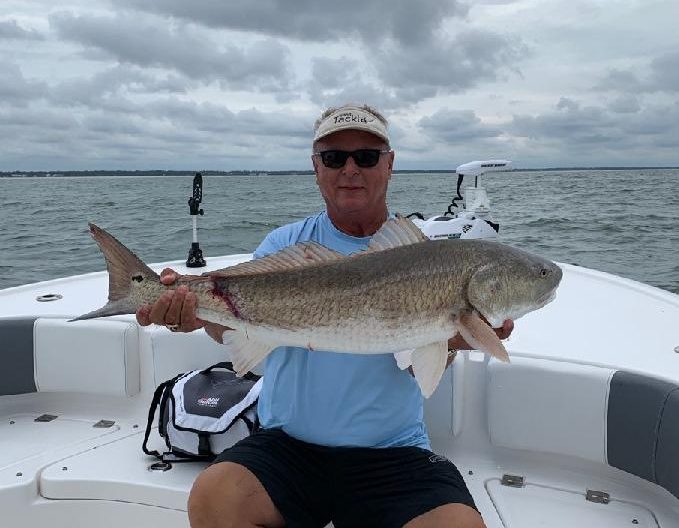
There’s a morning every September when it happens without warning. The heat breaks, the marsh grass starts to gold at the tips, and a bull redfish that hasn’t shown its back since May rolls in six inches of water like it owns the place again. Fall doesn’t arrive on the Carolina coast so much as announce itself — and it changes everything below the surface long before anyone feels it in the air.

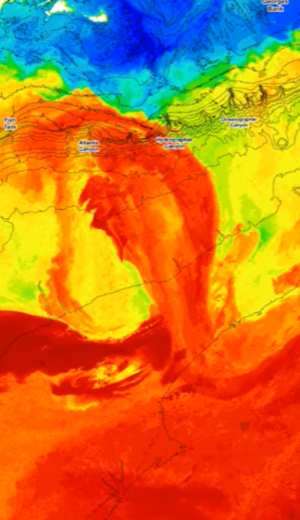
The lag that changes everything. Air temperature drops fast in autumn; water temperature drops slowly, trailing behind by weeks. Summer water in the 80s holds little oxygen, and gamefish behave accordingly — sluggish, conserving energy, feeding in short windows. As it eases down through the 70s, oxygen rises and the whole food web’s math changes. Chasing prey suddenly becomes worth the energy again.
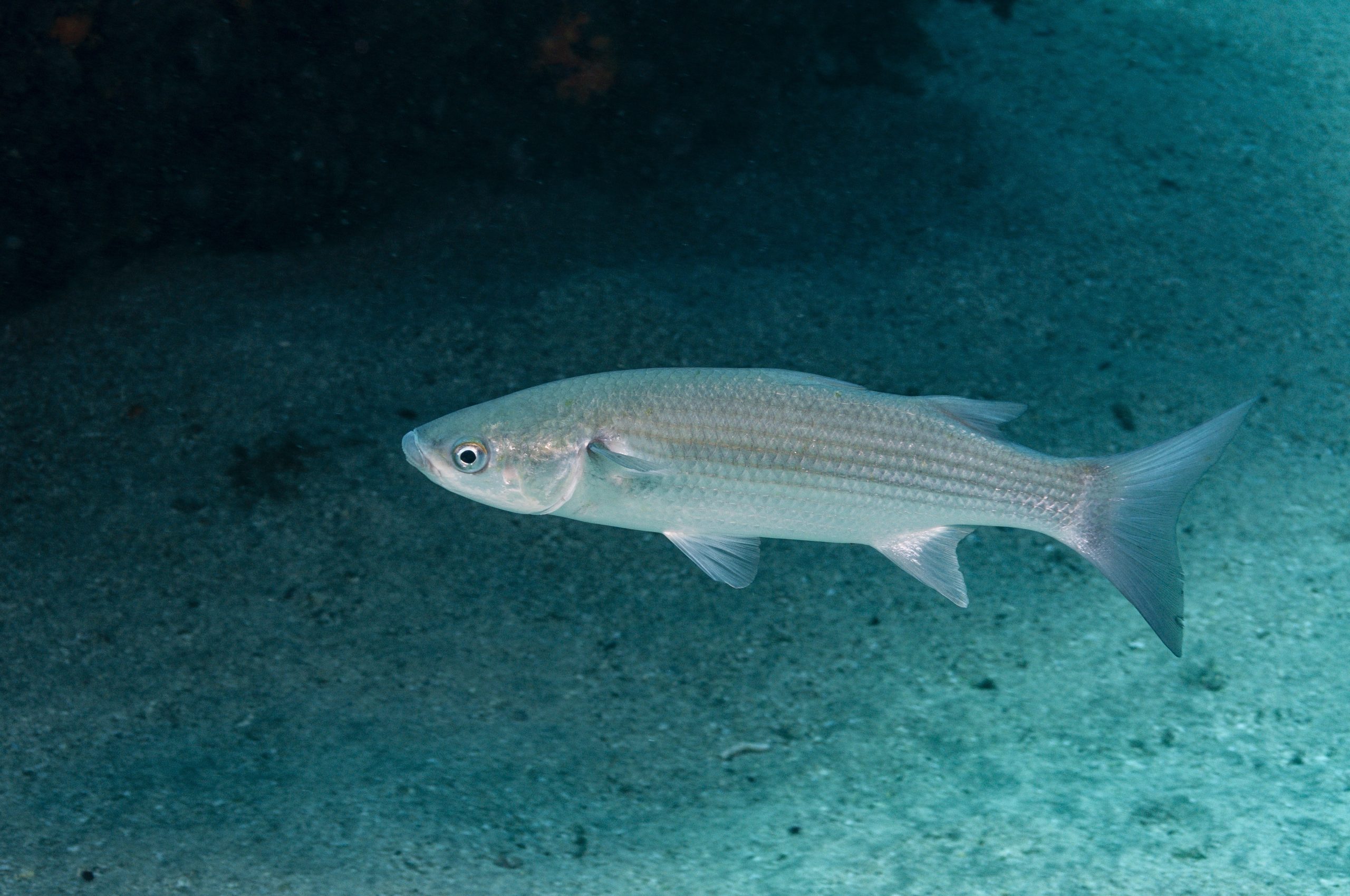
The mullet run. Beginning in late August up north and building through October, finger mullet migrate out of the creeks toward the inlets, and nothing subtle about it — they run, skittering across the surface in panicked schools. Redfish pin them against banks, trout ambush from grass edges, flounder wait at creek mouths, birds dive overhead. Fall fishing becomes a game of mobility: run the coast, glass for diving birds and nervous water, move the second the action stops.
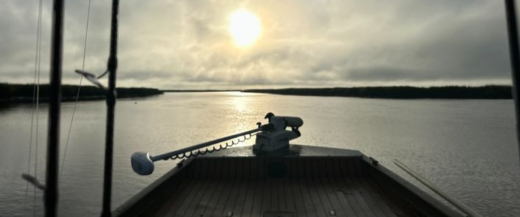
Redfish start schooling. Solitary or loosely grouped all summer, reds bunch into pods — sometimes hundreds strong — as water cools, pushing onto shallow flats on falling tides to feed on crabs and shrimp with tails and backs breaking the surface. This is prime sight-fishing season: poling skinny water, reading tails and wakes, sight-casting instead of blind-fishing structure.

Trout turn aggressive. Summer speckled trout hold deep and feed in tight dawn windows. Cooling water pulls them up onto oyster rocks, points, and grass lines, and they become some of the most aggressive predators on the flats — this is when topwater plugs start drawing violent strikes that summer fish wouldn’t commit to. The bite window also stretches from a dawn sprint into a leisurely mid-morning-to-afternoon affair.
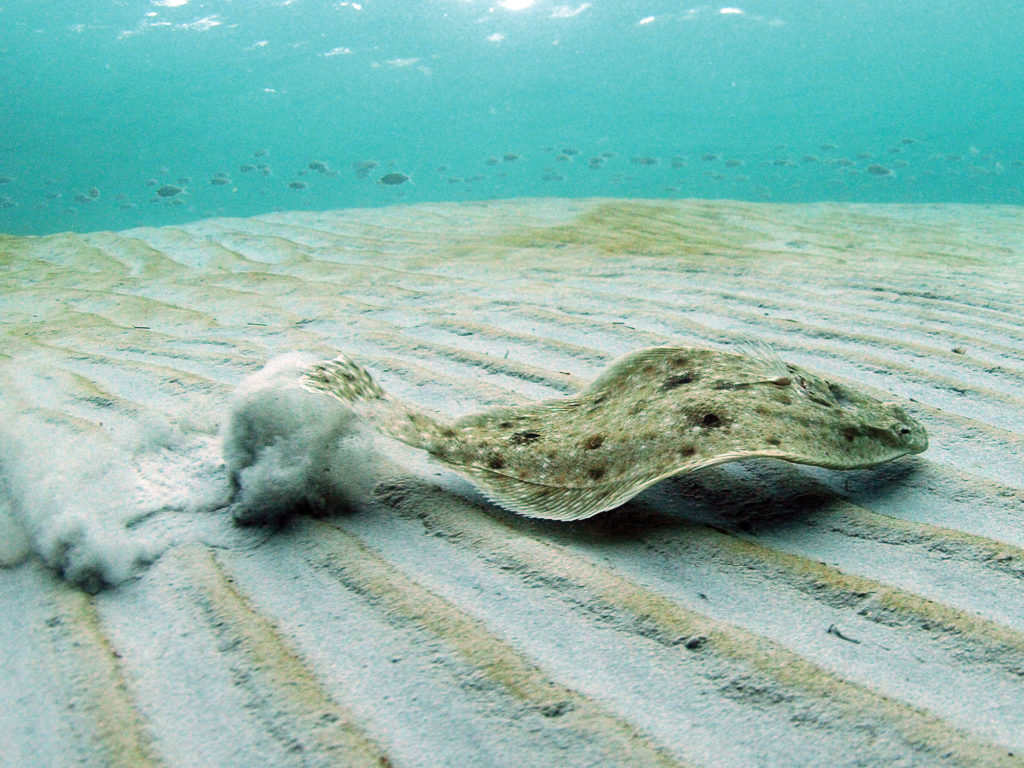
Flounder head for the door. Rather than settling in, flounder migrate — funneling out of the rivers toward the inlets to spawn offshore. That exodus stacks fish predictably at channel edges and jetty mouths for a few concentrated weeks before the shallow-water bite goes quiet until spring.
Shrimp fuel the whole show. Falling water and dying marsh grass push shrimp out of their nursery creeks toward the ocean, and every gamefish keys on it. Fall structure fishing becomes less about spots and more about ambush geometry — wherever falling water squeezes through a narrow point, something is waiting at the other end.
Fronts set the rhythm. Where summer runs on tides alone, fall adds cold fronts to the clock. Feeding often spikes just before a front arrives, shuts down as it passes, then rebounds hard once high pressure settles in behind it.
The gear changes, the pace opens up, and the mindset shifts from patient to urgent — everyone on this coast knows the window between the first cool morning and the last flounder tide is short, and that inside it sits some of the best fishing of the year.
You may be interested

Berr Side Kicks…..Homemade Beer Brat Bites
Tim Wilson - October 16, 2026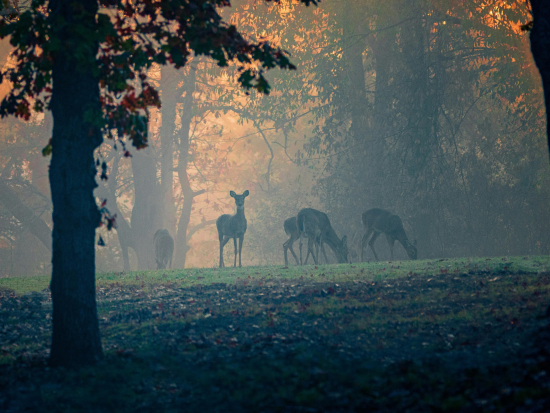
When the Deer Woods Change
Tim Wilson - October 16, 2026The deer woods you hunted in early October may look familiar when November arrives, but the reasons deer use them can change considerably. Across North Carolina, South…
Greatest Of The Grill…..Grilled Coca-Cola Chicken
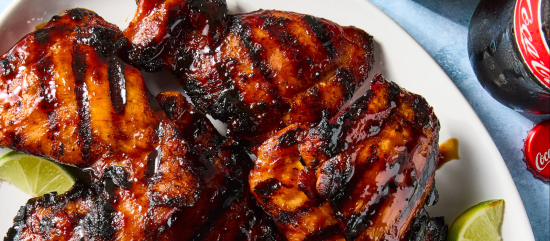
Tim Wilson - October 16, 2026Everything is better with a Coke… including chicken. Tangy, sweet, and savory, this grilled Coca-Cola chicken will hit every one of your taste buds. If you’re searching…
Most from this category