Surefire Offshore Trolling Tips
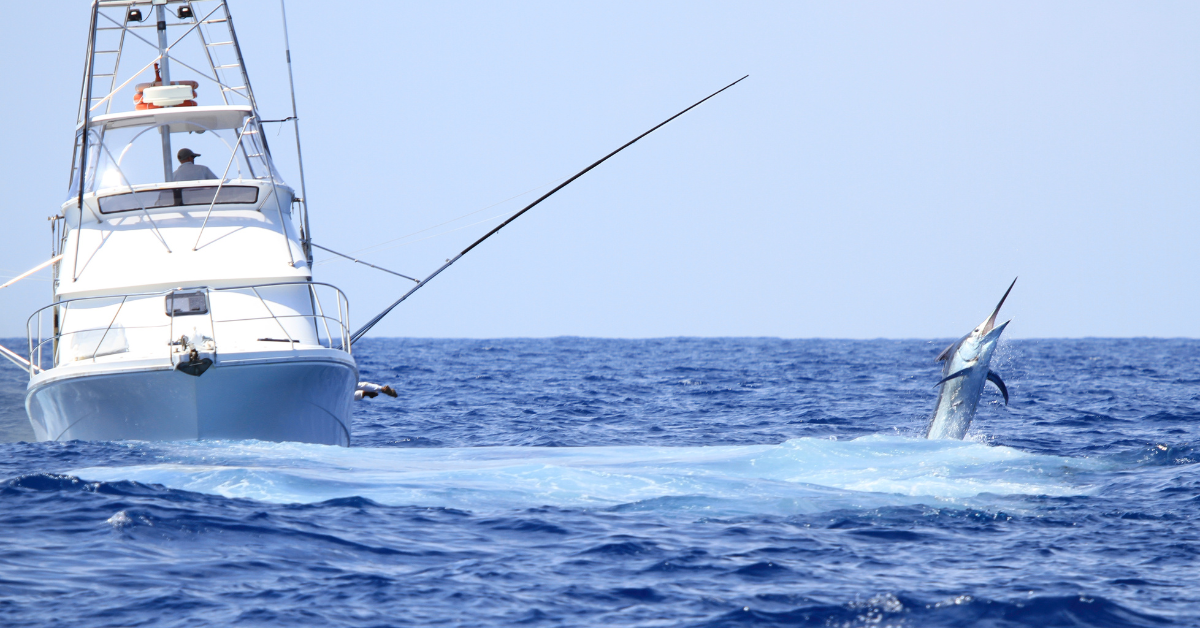
Recently we sat down with Russell Weaver of Blue Water Candy Lures. Russell is our “go to guy” when it comes to trolling the Coastal Carolina waters. We wanted to get his thoughts on the basics of trolling. While his comments are extremely helpful and there were a number of specific ways we need to consider, the biggest thing is that trolling requires constant experimentation and changes. It also requires understanding on how the bait swim and how the target fish reacts. In short, it requires you to think and adapt.

Russell Weaver’s Comments:
When trolling either offshore or nearshore there are a few factors that are imperative to success. First is speed, with 5-7 knots considered as the best range. The characteristic of the baits you’re using will also be a factor.
It’s key to maintain your boat’s RPMs that make your bait look their best. If you have a question about your speed monitor other boats in the area. Without getting too close, try to adjust your speed to match theirs. It’s important to maintain the same RPMs moving both up-current and down-current. This keeps the baits running the same speed as the boat. The appearance of the bait is also a key factor. Your presentation will make the difference in a good day and a bad one. It needs to look active and natural rather than a lump of dead bait being dragged through the water. Lures should be arranged in a spread depending on how they run best. This will take a certain amount of trial and error. It’s always important to watch the baits while trolling. If a bait starts to track the wrong way, pull them in and make the needed adjustments and return the rigs to the water.
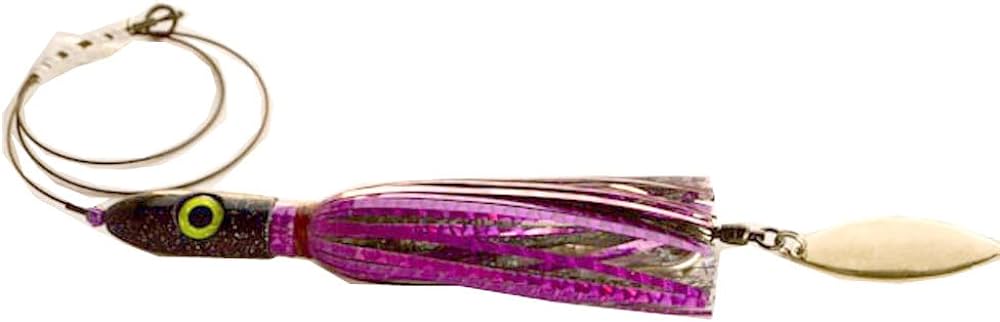
Other trolling tips include, making sure that the largest bait’s nearest to the back of the boat and the smaller bait set further back. This allows your boat to appear to be a bait pod being followed by the larger predator fish to your target species. The lines coming from either side of the boat should be equal. The same is true for the lowest lines (flat lines). They should be closest to the boat with the outrigger and other higher lines taking the longest position.
Trolling is one of the most productive aspects of offshore and nearshore fishing. It’s important to understand that it has a large learning curve. This is why the most successful trolling anglers are also the most experienced. Great trolling success takes practice and lots of experimentation. It also takes talking to other fisherman about their tactics and strategies and then trying what you’ve learned. There are countless variations of spreads, baits, speeds, colors and much more. Find what works for you and your boat, your target species and most of all, your style of fishing. Don’t be afraid to try new things.
You may be interested
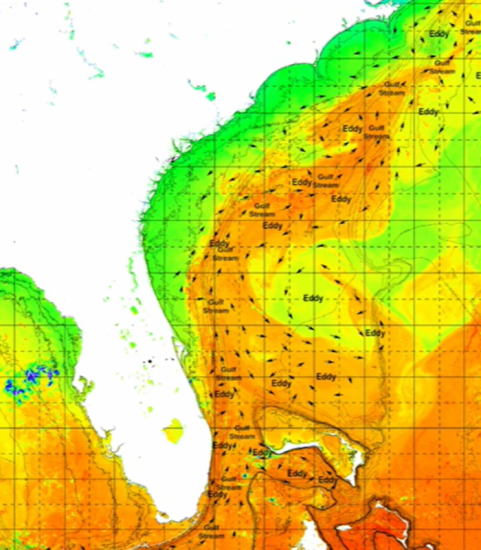
Offshore Ocean Conditions
Tim Wilson - October 23, 2026Don’t take a chance when it comes to knowing what the fishing condtions are and where thoe great sports are. ROFFS will remove the guesswork and put…
Catching Crappies on Kerr Lake……With Carolina All Out
Tim Wilson - October 22, 2026CAO Pro Staffer Scooter Lilley heads to Kerr Lake to fish for big slabs with Kerr Lake Crappie and Cats Guide Service owner Captain Chris Bullock. Enjoy…
The Final Chapter…… Protecting the North Carolina Estuaries and It’s People
Tim Wilson - October 22, 2026My family’s history goes back to the beginning of the state of North Carolina. We have founded towns within the state, fought in its wars, and played…
Most from this category
One Fish, Four States: How North Carolina’s Flounder Compare to Its Neighbors
Tim Wilson - October 22, 2026