Fishing For Winter Black Drum……Look For Structure
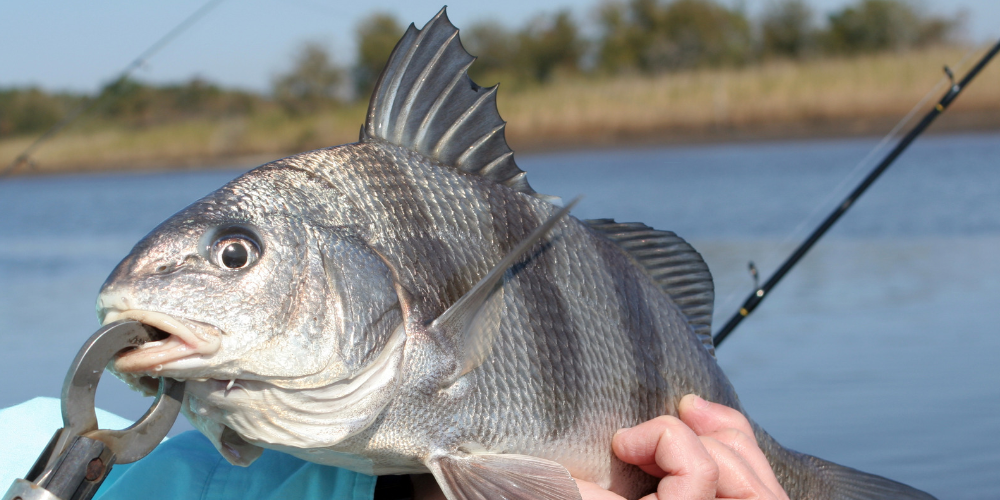
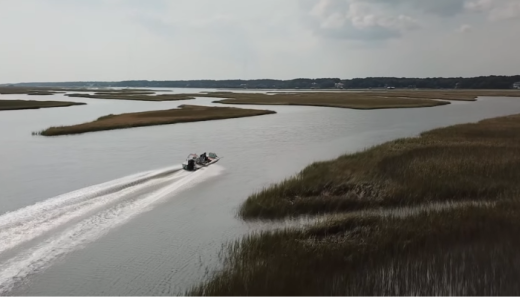
Over the past couple of years, black drum have gone from an afterthought to a target. Anglers have figured out what the fish have known all along: they fight hard, they’re fished much like redfish, and the smaller ones are very good on the table. Look for them around oyster beds, rock piles, flats and docks, and don’t overlook marsh creek bends and bridge pilings.
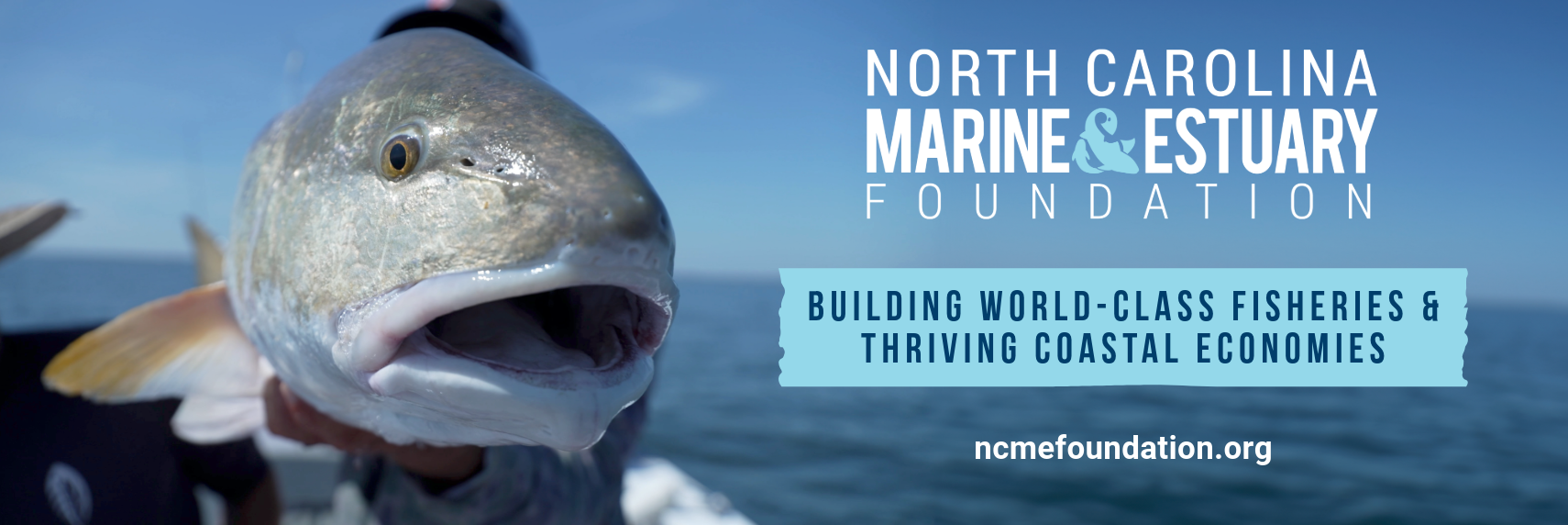
Fish the Structure
The same structure-first approach that has worked so well on redfish applies here. Structure holds shrimp, blue crabs and other crustaceans, and black drum feed on them heavily. Those heavy, crushing teeth in their throats are built to break up oysters and crabs. If you find the food, you’ll find the fish.
Match the Bait
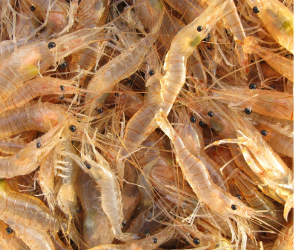 Using what the fish naturally eat is one of the most important parts of the game. Shrimp, crab and clams are the best baits. Live or dead shrimp has worked best for me, so if you only carry one bait, make it shrimp. Fresh bait outfishes old, mushy bait every time, so keep it cool and replace it often.
Keep the Rig Simple
When I’m fishing docks or rock piles for black drum, I use as little weight as possible, just enough to hold the bait on the bottom. Most of the time that’s a Carolina rig with a 3/8- to 1/2-ounce egg sinker. A fluorocarbon leader and a circle hook suit it well. I like 20- to 30-pound braid around structure because it’s sensitive enough to feel a subtle bite and strong enough to turn a fish away from the pilings. Heavier line costs you sensitivity, and you’ll miss fish because of it.
Play the Waiting Game
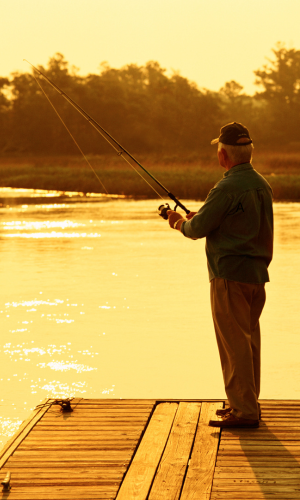 Pitch the bait next to the structure, then be patient. Keep a hand on the line. Black drum often pick at a bait and eat slowly, working it back toward the hook. I don’t recommend setting the hook right away. Let the fish swim off with the bait and feel the weight, and then start pulling. Once hooked, a black drum will dive straight back into the structure or toward the deepest water it can find. Keep steady pressure on the rod and keep its head up.
Timing and the Table
Tide matters. Moving water carries food past the structure and gets fish feeding, so plan your trip around a good tide. Fish of modest size are the best to eat. The really big “bull” drum are fun to catch but not nearly as good at the table, so I usually release those. Regulations, including size and bag limits, vary by state and can change, so check the latest rules from the NC Division of Marine Fisheries or SC DNR before you keep any fish.
Remember Three Things
Whether you’re fishing docks, rocks or oysters, three things will improve your results:
- Use the right bait. Shrimp, live or dead, has worked best for me.
- Keep your weights light.
- Let the fish eat. Don’t set the hook on the first bite.
Follow those tips and you should see a higher success rate on these crafty fish.
You may be interested
The Offshore Gear That Defined 2026
Tim Wilson - November 22, 2026Every year the tackle industry rolls out hundreds of new products, but only a handful earn a permanent spot on the boat. This year a few names…
Maintaining The Tools Of The Trade
Tim Wilson - November 22, 2026Saltwater fishing tackle has come a long way in recent years. It seems like only yesterday that Penn, Shakespeare, Pflueger and Garcia topped the list of the…
The Saltwater Fish That Made History
Tim Wilson - November 22, 2026How big can Carolina fish really get? The record books of North Carolina and South Carolina answer that, and side by side they make a great comparison.…
Most from this category