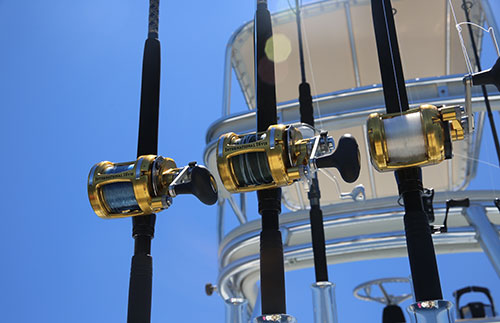
Fishing the Flats….. Finding Success in Skinny Water
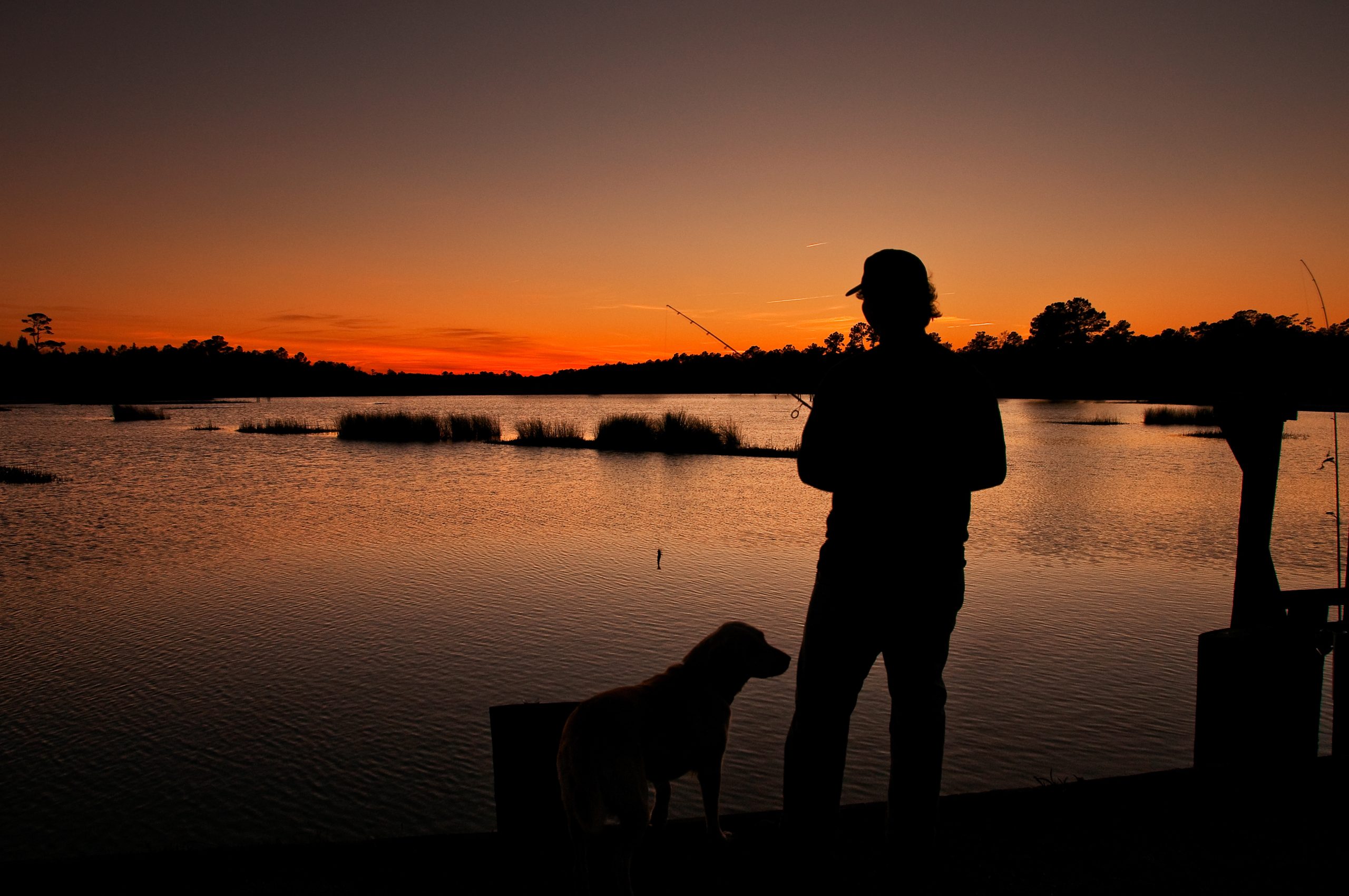
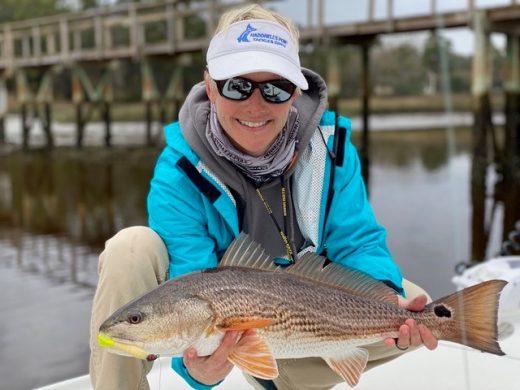
Shallow-water fishing along the Southern coast goes by many names. Some folks call it “fishing the flats,” while others prefer “skinny water fishing.” No matter what you call it, there’s no doubt it’s one of the most rewarding , and challenging, ways to spend a day on the water. Especially if you’re targeting Redfish.
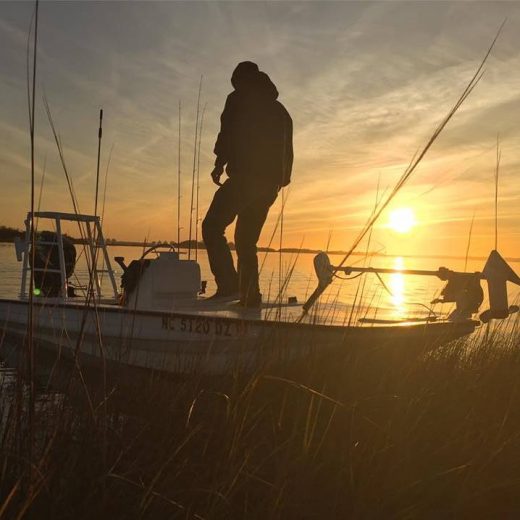
Like most types of saltwater angling, there’s an art to fishing the flats. You don’t just cruise into the shallows and start casting, expecting fish to bite. In fact, if you’re not careful or experienced, the first thing that might happen is you’ll run aground, and things can go downhill fast from there.
Let me share a few pointers to help you get on the right track.
It Starts with Satellite Scouting
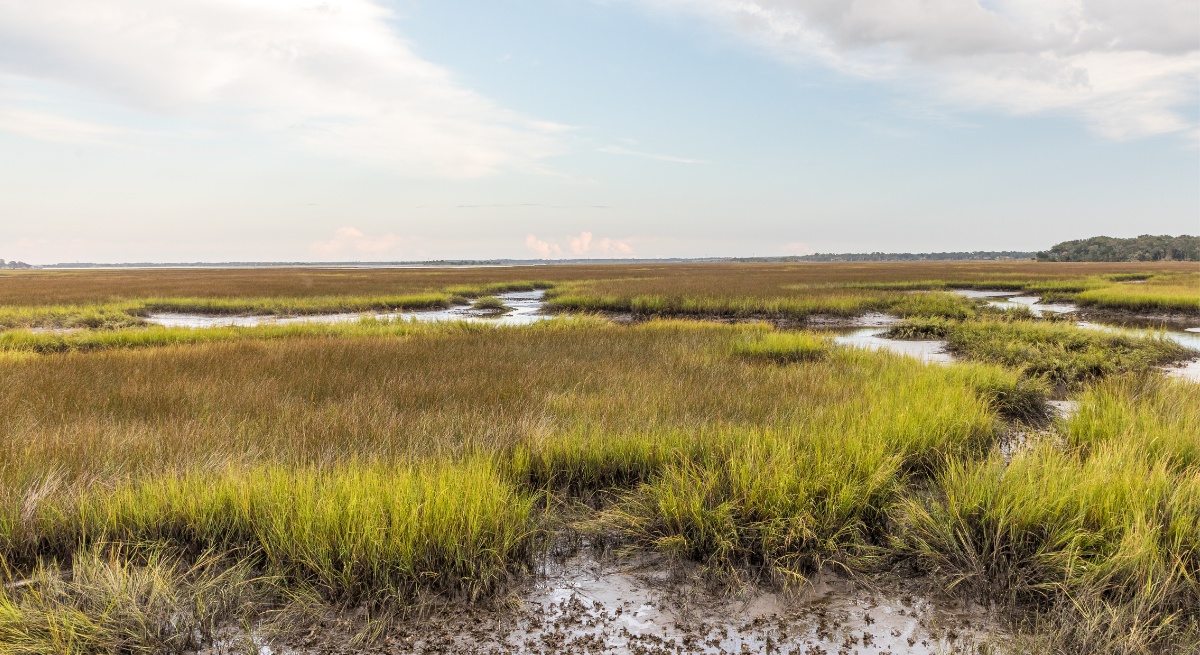
Believe it or not, one of my go-to tools before launching is Google Maps. I’m not using it for navigation, but for its satellite view. It gives me a clear picture of the water’s layout — showing the locations of shallow spots, deep holes, grass flats, and other key features. It also helps me understand the direction of creek flow and how different waterways connect.
That overhead view can be the difference between finding fish and finding frustration. While I might be targeting Redfish, these same areas often hold Flounder and Speckled Trout, so I always rig up with a mixed-bag mindset.
Reading the Water
Once I’ve located a promising flat, I focus on details: water flow, bait movement, and structure. A jig tipped with a piece of mullet is my go-to in these areas. I’ll cast near deeper pockets or holes, let it settle, and begin a slow retrieve. Don’t worry if the splash spooks the fish, give it a few minutes. They’ll settle down and return to feeding.
Another proven tactic is to position your boat in deeper water and cast toward the, shallows especially near oyster beds and marsh grass. These spots are prime real estate for Redfish and Flounder. I usually switch to artificial bait here, as the bottom is rough and snag-prone.
Pay close attention to swirls and subtle water movement, signs that baitfish are active or that predators like Redfish are cruising nearby. Creek intersections are especially productive, as they create natural funnels for baitfish. Fish follow the flow, especially in feed creeks where water direction and depth can change quickly.
The Magic of the Flats
One of the reasons flats fishing is so productive is because of its constantly shifting nature. In just a few feet, you can transition from an oyster bed to a deep hole, both of which can be holding fish. You might find Redfish stacked around a point, Speckled Trout hovering mid-column in a channel, and Flounder buried in a nearby pocket, all within casting distance.
That’s why I always come prepared with a variety of rigs: jigs tipped with mullet, artificial lures, popping corks, you name it. The more adaptable you are, the more success you’ll have.
A Peaceful Place
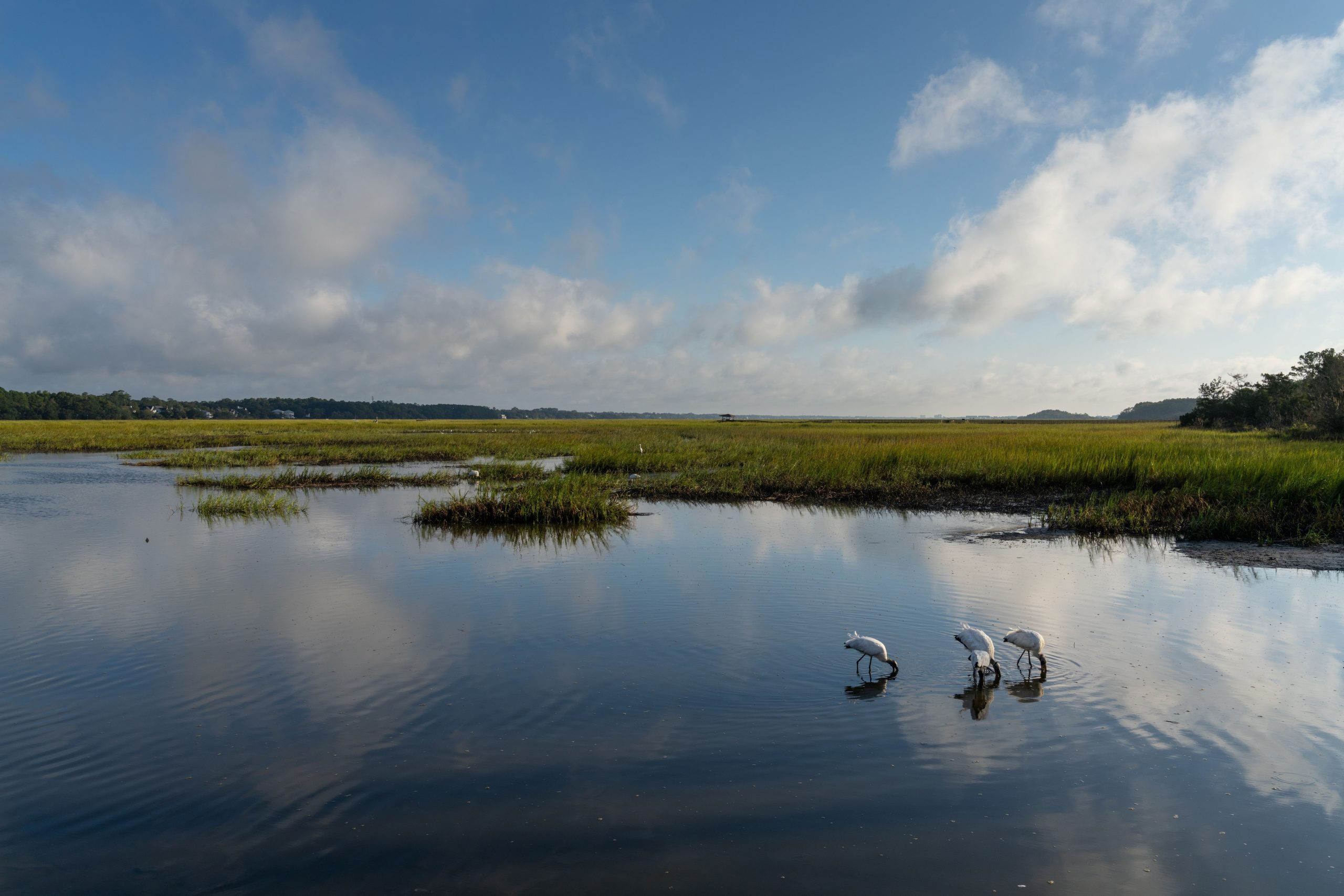
One of the unsung joys of skinny water fishing is the peace and quiet. The shallows are typically off-limits to jet skis and large boats, which means you’re not being rocked by waves or noise. It’s just you, the water, and the hunt. That serenity, paired with the thrill of a tight line, makes it easy to understand why so many anglers call it their “happy place.”
Story By: Angler & Sportsman Staff
You may be interested
Early Spring Freshwater Fishing in the Carolinas
Tim Wilson - March 17, 2026After a long Carolina winter, the first real signs of spring bring something special to freshwater lakes and rivers across North and South Carolina. The dogwoods begin…
Preparing for Spring Fishing in the Carolinas
Tim Wilson - March 11, 2026Every year along the Carolina coast, there comes a moment when winter finally begins to loosen its grip. The mornings are still cool, but the air carries…
Soft Plastics….A Winter Fishing Tactic
Tim Wilson - February 8, 2026Winter fishing with plastic baits is a game-changer when it comes to inshore cold-water fishing. Even in warm regions like the Charleston Lowcountry, the winter months require…
Most from this category