How To Prep Your Shotguns For The Hunting Season
It’s that time of year again — the time many hunters wait for. Shotguns come out of storage and camo makes its way out of the back of the closet. Hunting season is here for those who pursue the many species of birds found across the Carolinas, and that means it’s time to prepare for the first day afield. Preparation is an important part of the sport: it keeps you and others safe and plays a key role in whether you have a successful hunt.
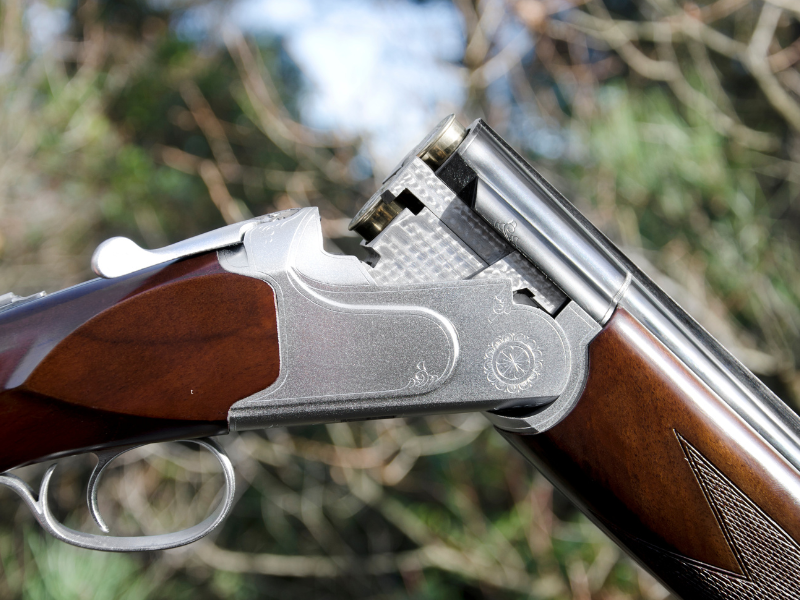
Start by visually checking your shotgun. This is likely the first time it’s been out of storage since last season. Look for rust or worn spots and anything obvious that may need to be adjusted, repaired, or cleaned. Test the action to make sure it works properly. Before you begin any inspection, always check the chamber to ensure a shell was not left inside.
Next, give your shotgun a good cleaning. Remove any dirt or grime that has accumulated since it was last used. Cleaning gets rid of fouling such as carbon buildup from the previous season and any surface rust that may have formed. These steps not only ensure the shotgun is safe to use, they also prevent you from getting to the field only to discover a problem that makes hunting impossible that day. If you’re new to hunting, make a checklist of the parts to inspect, then check each item off as you go so nothing is overlooked.
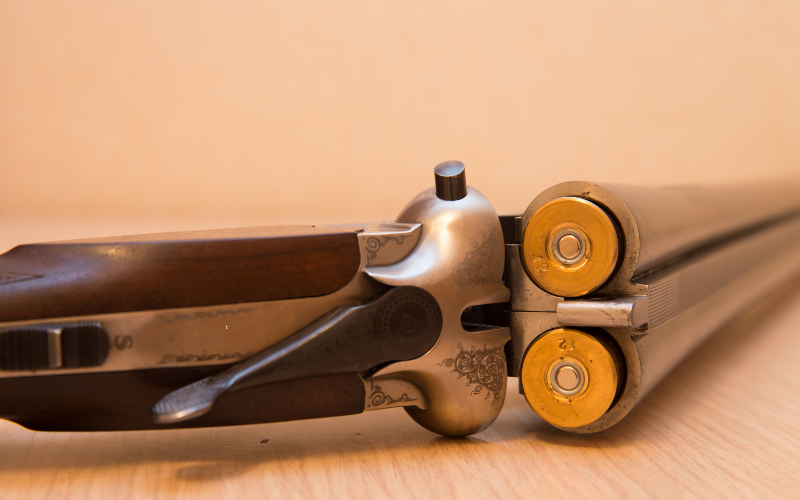
Check your shotgun’s chokes: remove them, clean them, and re-lube them. You can use choke grease or even a small amount of petroleum jelly; this process will reveal problems that might otherwise go unnoticed. If waterfowl hunting be sure the choke is rated for steel or other non-toxic shot. Speaking of ammo: shotgun shells tend to be dirtier than rifle cartridges and can leave more debris in the barrel, another reason to clean your shotgun often and carefully.
Keep your shotgun shells dry — this is especially challenging when waterfowl hunting in moist, coastal environments. Store shells in a container that is as water-resistant or, ideally, waterproof as possible. Blind bags and backpacks are ideal for this purpose, easy to carry and provide protection from the elements. After a saltwater hunt, wipe down the entire gun, including the chamber and action, to remove salt and prevent corrosion.
Once you’re back from the hunt, clean the shotgun as soon as possible — especially after hunting in moist, salty conditions. We recommend using a CLP (Clean, Lube, Protect) product. CLP removes fouling like carbon and copper, lubricates moving parts to help prevent jamming, and provides a protective barrier against rust and corrosion. This all-in-one approach simplifies cleaning by reducing the need for multiple specialized products. CLP can be used on other firearms as well.
Once you’re back from the hunt, clean the shotgun as soon as possible, especially after hunting in moist, salty conditions. We recommend using a CLP (Clean, Lube, Protect) product. CLP removes fouling like carbon and copper, lubricates moving parts to help prevent jamming, and provides a protective barrier against rust and corrosion. This all-in-one approach simplifies cleaning by reducing the need for multiple specialized products. CLP can be used on other firearms as well.
When it comes to choosing shotgun shells, you have many options. For dove, lighter shot is typical. Non-toxic shot is required when hunting waterfowl and larger shot size is typically recommended.
If you’re new to hunting, get advice on the best shot size and type for the species and ranges you expect to encounter.
Items you may need:
- Blind Bag, a lightweight field pack hunters carry for quick access to essentials.
- Decoys, realistic full-body or shell decoys for close-range presentations.
- Shotgun case — for transport: a padded soft case is great for truck or boat use and easy to carry and store in a blind or boat.
If you have questions on using your shotgun and hunting with your shotgun, please give us a call our number is below. We’re happy to help you.
You may be interested
Soft Plastics….A Winter Fishing Tactic
Tim Wilson - February 8, 2026Winter fishing with plastic baits is a game-changer when it comes to inshore cold-water fishing. Even in warm regions like the Charleston Lowcountry, the winter months require…
Dock Fishing For Winter Reds…Slow It Down
Tim Wilson - January 21, 2026With the fishing winter pattern still a factor for a few more months, fishing around docks can be a strategy that makes or breaks a day of…
Winter Fishing In the Carolinas
Tim Wilson - January 21, 2026For many anglers, winter marks the end of fishing season. Boats are winterized, tackle gets reorganized, and attention shifts to waiting on spring. But seasoned Carolina anglers…
Most from this category