Soft Plastics….A Winter Fishing Tactic
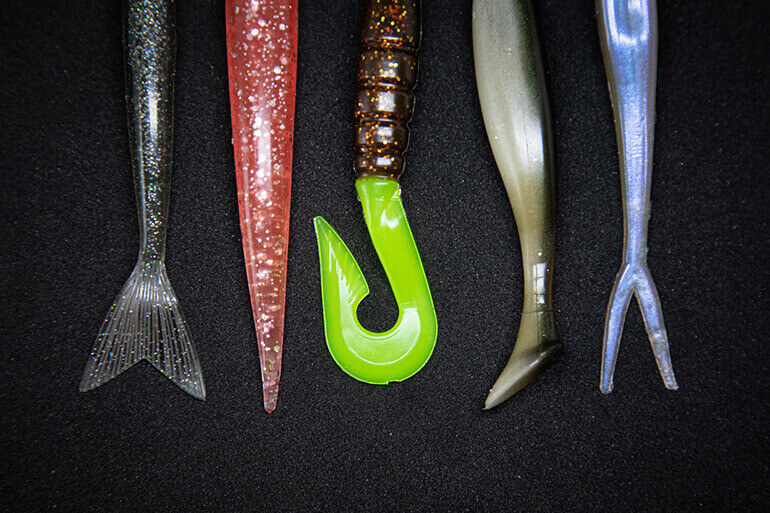
Winter fishing with plastic baits is a game-changer when it comes to inshore cold-water fishing. Even in warm regions like the Charleston Lowcountry, the winter months require a shift in your light-tackle approach when targeting species such as redfish, speckled trout, and flounder.
Winter fishing for these species is becoming increasingly popular for several reasons. First, pressure on the fishery is significantly lighter, meaning anglers face far less competition. Second, lower plankton levels result in clearer water. In many cases, anglers can see the bottom, making it easier to locate structure and even spot fish. Lastly, and most importantly—there is far less competition from live baitfish.
Personally, I head out with a handful of jig heads and only a couple of soft-plastic options, chosen based on feedback from my fishing network. I often start with live bait, such as mud minnows or live shrimp, which can be limited during the winter months. Once I start getting bites, I determine which plastic lure best mimics the live bait and begin casting. I’m careful to cover as much water as possible to present the lure to multiple fish. Starting with live bait also helps pinpoint where the target fish are holding.
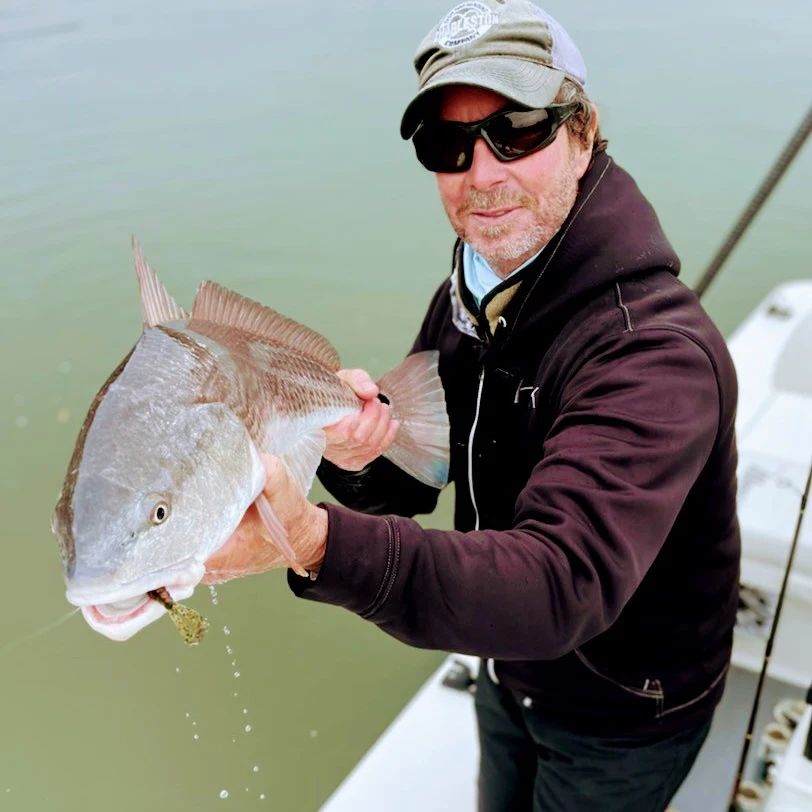
Next, I vary my retrieve to find the speed that triggers the fish to react to the plastic. By this point, the trial-and-error phase is over and I’m simply fine-tuning my presentation. Confidence builds, and every angler knows that confidence in your location, equipment, and especially your lure can make all the difference.
Fishing with plastics during the winter months is easier than many anglers expect. With limited natural bait in the water, fish are far less selective because their food options are reduced.
I also make sure to use plenty of scent, this is a must. In the summer, you’re often trying to draw fish to your bait. In winter, it’s just the opposite. The key is taking the bait to the fish. Colder water means less fish movement, and presenting the lure directly to them has proven far more effective. I also prefer darker-colored baits with a bit of flash, which create a strong silhouette and resemble an easy meal in cold, clear water.
Another major advantage of soft plastics is the time saved by not having to secure live bait, whether by throwing a cast net or making an extra stop at the bait shop, which may not even have bait during the winter months.
So grab a handful of jig heads, a couple of proven soft plastics, a thermos of coffee, and your coat, and hit the water. Those big inshore fish are waiting.
You may be interested
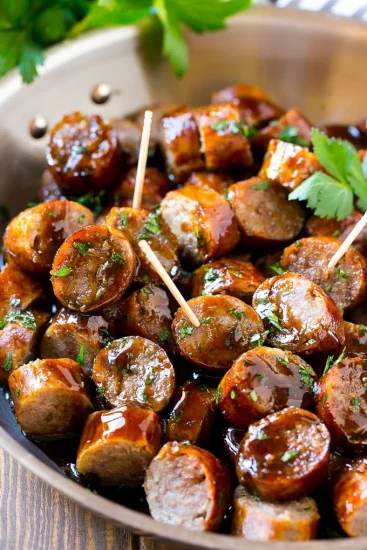
Berr Side Kicks…..Homemade Beer Brat Bites
Tim Wilson - October 16, 2026
When the Deer Woods Change
Tim Wilson - October 16, 2026The deer woods you hunted in early October may look familiar when November arrives, but the reasons deer use them can change considerably. Across North Carolina, South…
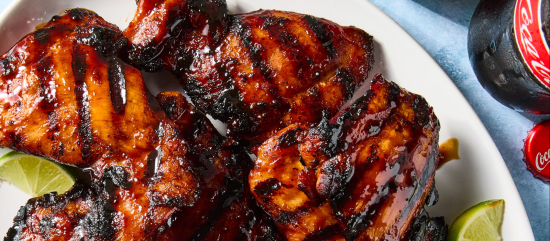
Greatest Of The Grill…..Grilled Coca-Cola Chicken
Tim Wilson - October 16, 2026Everything is better with a Coke… including chicken. Tangy, sweet, and savory, this grilled Coca-Cola chicken will hit every one of your taste buds. If you’re searching…
Most from this category