When the Deer Woods Change
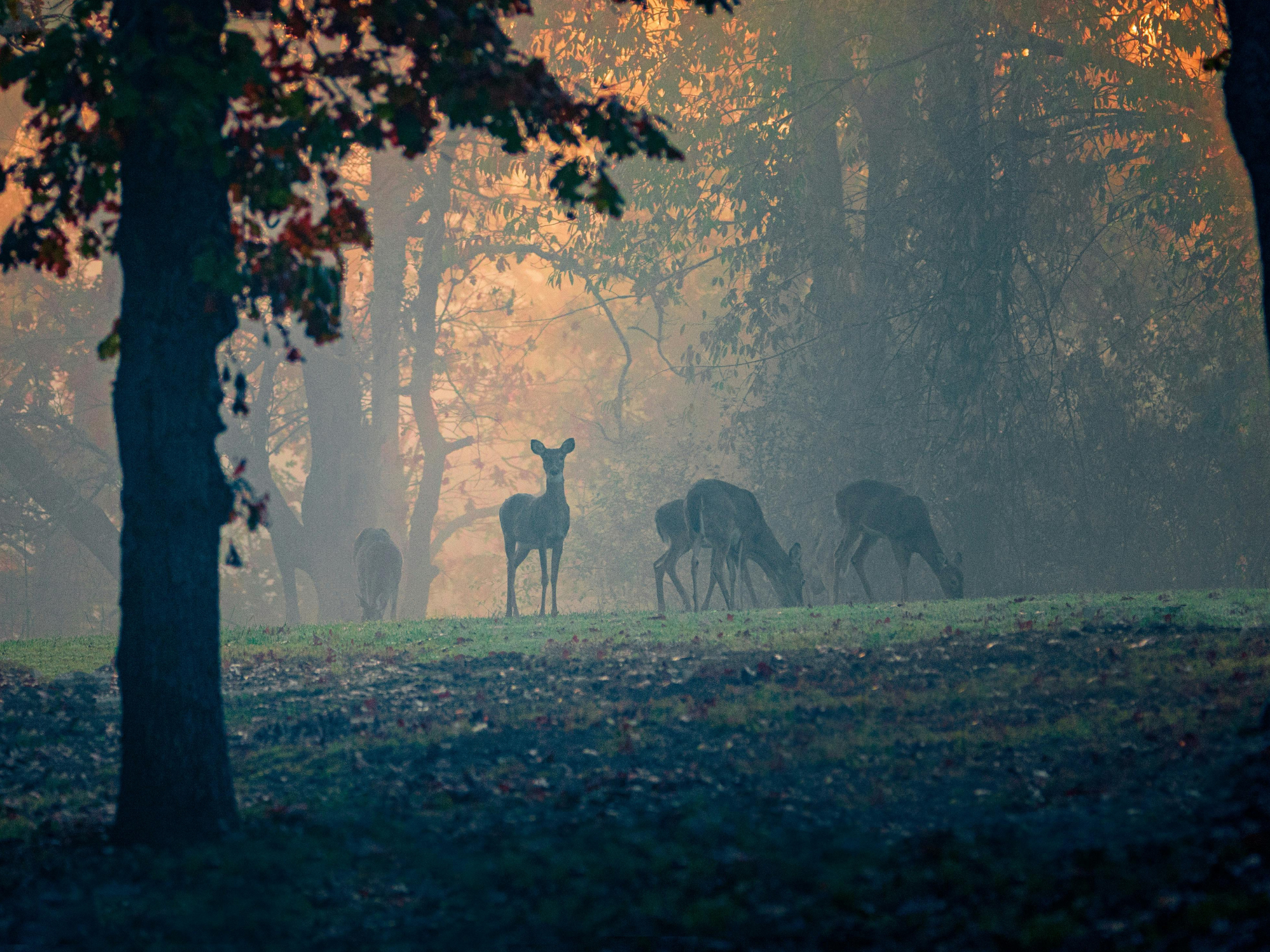
The deer woods you hunted in early October may look familiar when November arrives, but the reasons deer use them can change considerably. Across North Carolina, South Carolina, and Georgia, falling leaves, shifting food supplies, and approaching breeding activity begin rearranging the hunt. A stand that produced regular sightings a few weeks ago may suddenly go quiet, while a ridge or creek crossing that seemed unimportant starts showing fresh tracks.
Food is often the first place to look for an explanation. Where white oaks are dropping acorns, deer may spend less time visiting field edges and planted food plots. That movement can happen within a small area, leaving hunters wondering where the deer went. Before abandoning a property, check nearby hardwoods for freshly disturbed leaves, cracked acorn shells, and droppings. Finding the trees deer are feeding beneath matters more than simply finding trees with acorns.
 As individual trees finish dropping, feeding activity can shift again. Agricultural harvest adds another variable, especially around soybean and corn fields. Harvest equipment changes both the available food and the cover deer have been using. Watch how those changes connect to nearby bedding areas. A narrow strip of timber or an overgrown ditch may become more valuable when an adjoining field no longer provides concealment.
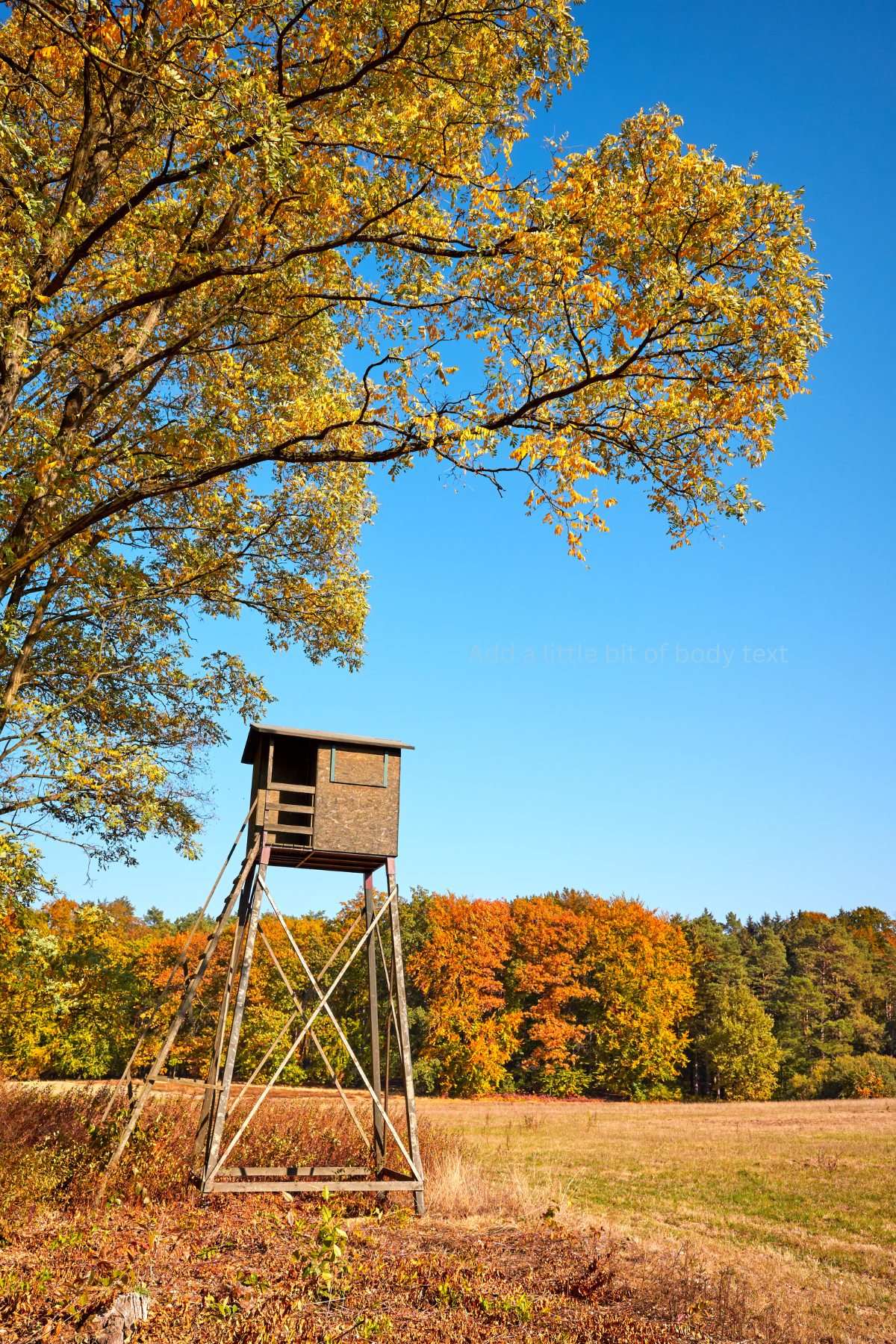
The changing canopy also affects your setup. A tree that hid your outline earlier in the season may leave you exposed after its leaves fall. Before climbing into an established stand, study it from the direction deer normally approach. You may need a different tree, better background cover, or less movement. Longer views through bare timber help hunters spot approaching deer, but they also make careless movement easier for deer to detect.
Then comes the growing influence of the rut. Fresh rubs and scrapes can reveal increasing buck activity, but they do not guarantee daylight appearances. Pay attention to where that sign occurs. A scrape beside an open field tells a different story than several fresh rubs along a sheltered route between bedding cover and feeding areas. Look for a pattern that helps explain how deer move through the property.

Timing deserves local attention. Breeding activity varies across the Carolinas and Georgia, sometimes considerably within the same state. Your hunting notes, trail camera observations, and knowledge of the particular property are more useful than assuming every November weekend represents peak rut. When bucks begin covering more ground, funnels such as creek crossings, narrow timber connections, and gaps between thick cover can become productive places to wait.
Cooler mornings can make longer sits more comfortable, but changing weather does not replace careful hunting. Keep checking the wind, choose access routes that avoid bedding cover, and resist walking every promising trail. The coming weeks reward hunters who notice what has changed without disturbing the woods while investigating it. Yesterday’s best stand may still produce, but fresh evidence should guide that decision. As autumn advances, success often comes from recognizing that the deer have adjusted their routines and being willing to quietly adjust your own hunting plans to match.

You may be interested

Greatest Of The Grill…..Grilled Coca-Cola Chicken
Tim Wilson - October 16, 2026Everything is better with a Coke… including chicken. Tangy, sweet, and savory, this grilled Coca-Cola chicken will hit every one of your taste buds. If you’re searching…
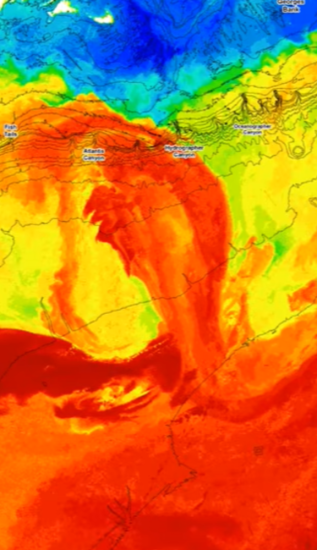
This Week’s Offshore Conditions Forecast
Tim Wilson - October 9, 2026Don't take a chance when it comes to knowing what the fishing condtions are and where thoe great sports are. ROFFS will remove the guesswork and put…
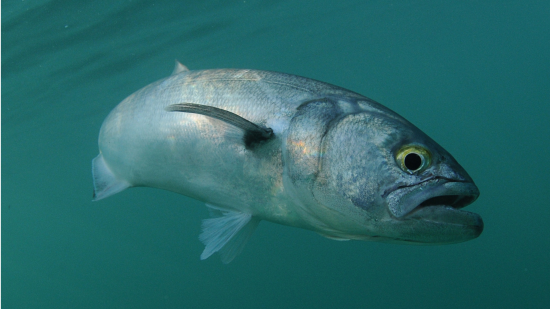
The Carolina Bluefish…… The Fish That Doesn’t Get Enough Respect
Tim Wilson - October 9, 2026There are plenty of fish in Carolina waters that get the attention they deserve. Redfish have become one of the most popular inshore targets, speckled trout have…
Most from this category