What Your First Cast Tells You
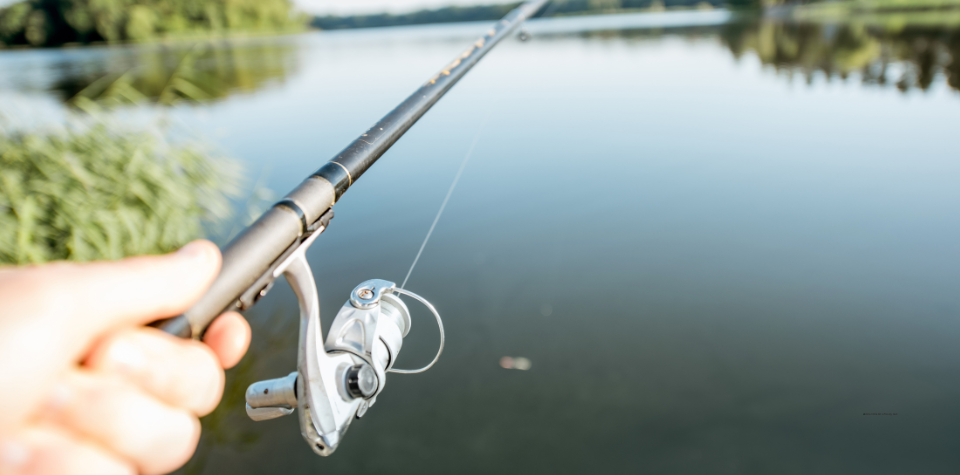
The first cast of a fishing trip is usually treated as nothing more than the beginning of the day, but it can actually provide an angler with a surprising amount of information. Before the second cast is made, the first one has already told you something about the depth, the wind, the current, the structure and perhaps even the mood of the fish. The problem is that fishermen are often so anxious to get the day started that they make the first cast, retrieve the lure and immediately make another without considering what happened during those first few seconds.
A first cast should be treated as an opportunity to learn rather than simply an attempt to catch a fish. If a lure comes through an area without getting a strike, that doesn’t automatically mean the fish aren’t there. The presentation may have been too fast, too slow or at the wrong depth, while the angle of the cast may have taken the lure through an area the fish weren’t using. Even a follow without a strike is valuable information because it tells you that something about the presentation attracted the fish. The next cast can then be adjusted rather than simply repeated.
This becomes particularly important when fishing around structure. A fisherman who casts directly to a piece of cover and works the lure away from it has learned something different from the angler who casts past the structure and brings the lure across it. Changing the angle can put a lure in front of a fish that never saw it on the first attempt. The same principle applies to current and moving water, where a few feet can make the difference between putting a bait in the strike zone and simply passing it through empty water.
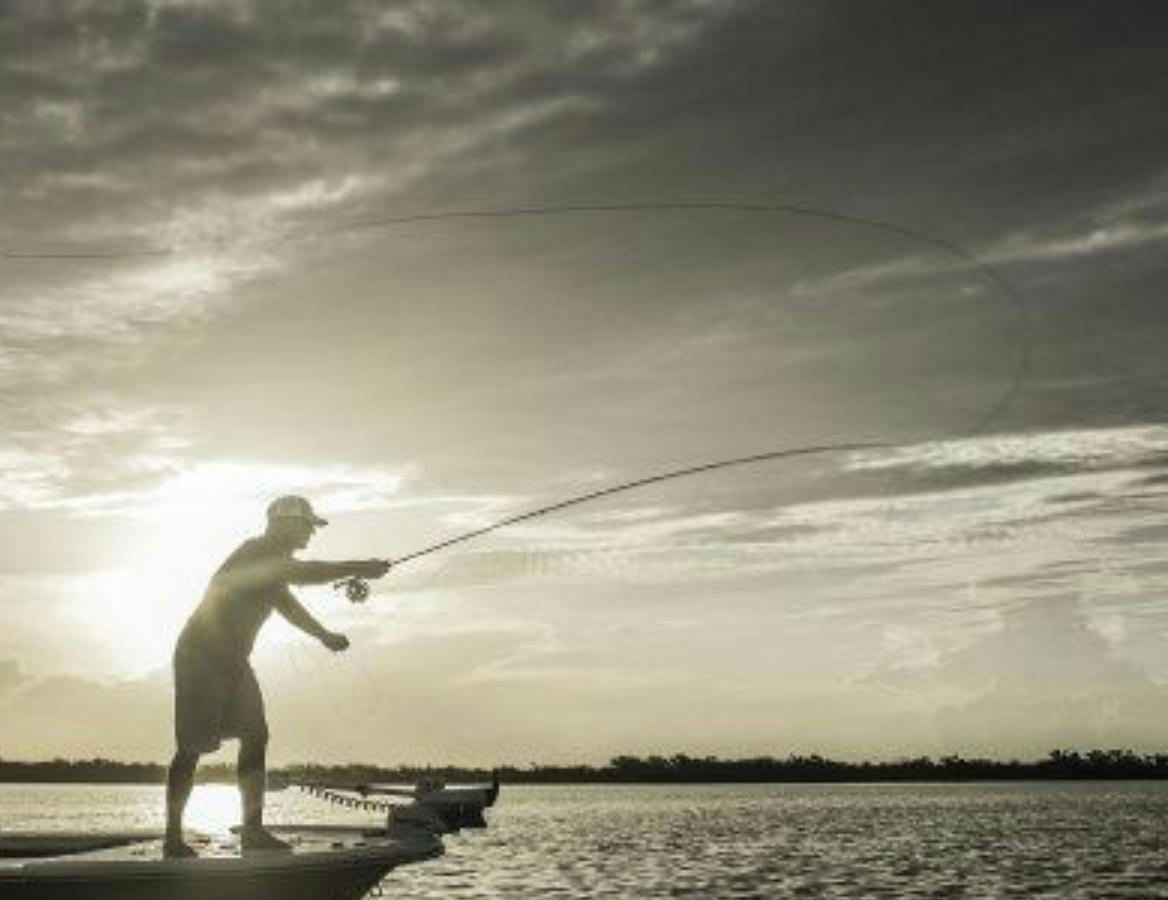
Experienced fishermen often make these adjustments without realizing they are doing it. They watch the line, observe the water and remember exactly what happened during the retrieve, then change something on the next cast. That’s one of the biggest differences between simply throwing a lure and actually fishing. Every cast should teach you something, even if it doesn’t produce a fish. The next time you start a morning on the water, don’t be so quick to forget the first cast. It may not have produced a bite, but if you were paying attention, it probably told you more than you think.
You may be interested
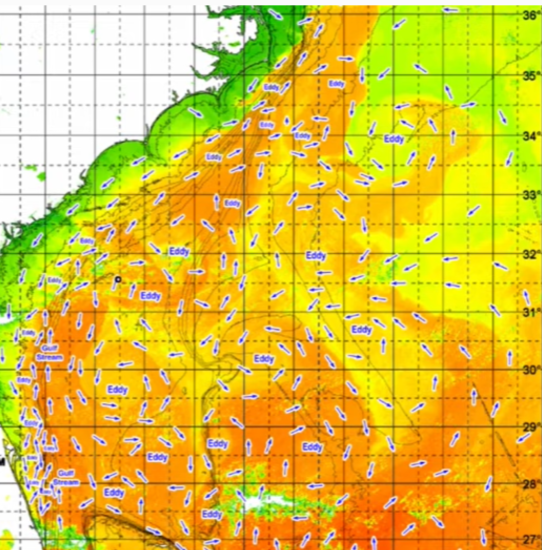
Offshore Ocean Conditions
Tim Wilson - November 6, 2026Don’t take a chance when it comes to knowing what the fishing condtions are and where thoe great sports are. ROFFS will remove the guesswork and put…
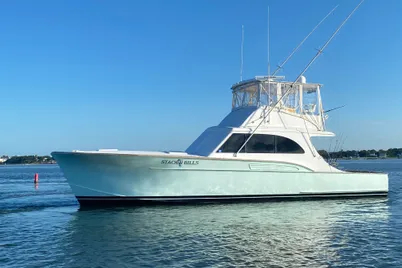
Gone But Not Forgotten….. The Carolinas’ Classic Boatbuilders
Tim Wilson - November 6, 2026Walk any marina from Manteo to Charleston and you'll still see them: older hulls with names on the transom that no factory builds anymore. The Carolinas have…
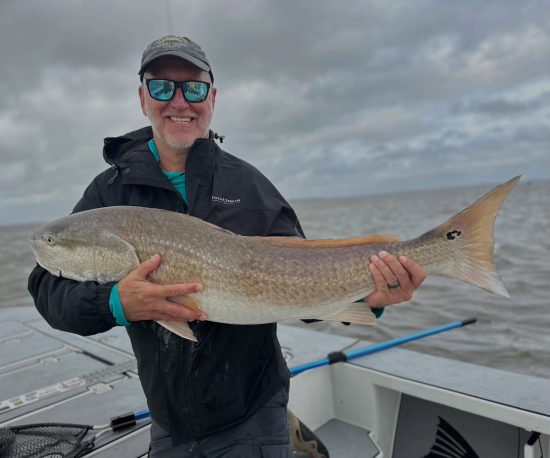
Fishing the Jetties…. Read the Water, Work the Rocks
Tim Wilson - November 5, 2026Jetties bring together three things fishermen look for: structure, moving water, and food. Along the Carolina coast, these rock walls help stabilize inlet entrances and direct tidal…
Most from this category