Deer Movement in the Wind: Myths vs. Reality
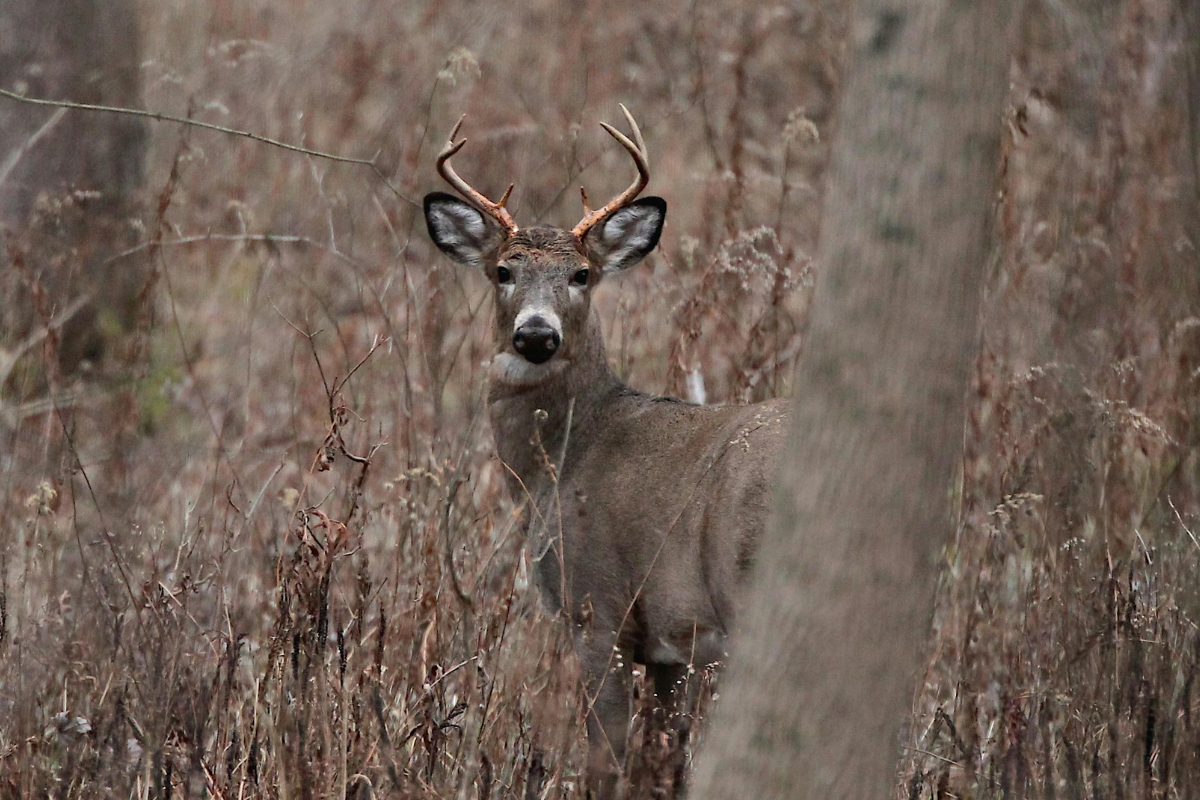
Wind is one of the most misunderstood factors in deer hunting. Ask five hunters whether deer move in the wind, and you’re likely to get six answers — usually based on personal history, old-school beliefs, or one lucky afternoon in a tree stand.
But what does the wind really do to whitetail movement? Let’s separate long-held myths from proven reality — with some Carolina-specific insights that might just change the way you hunt.
Myth #1 — “Deer Bed Down When It’s Windy”
Reality: Deer don’t stop moving — they simply move strategically.
Research from several Southern wildlife studies shows that deer remain active even when winds pick up, especially during cooler months and the rut. What changes is how they travel:
✔ They stay in cover — thick pines, creek bottoms, wind-break ridges
✔ They take shorter, more purposeful routes
✔ They rely more on sight and hearing because swirling wind disrupts scent trails
Carolina Tip: When winds hit 15+ mph, focus on leeward sides of ridges, behind cutovers, and deep marsh edges where deer can stay out of the worst turbulence.
Myth #2 — “Wind Ruins Their Nose”
Reality: Wind is often the deer’s best weapon.
Whitetails position themselves so the wind blows from danger toward them. They travel crosswind to sweep the woods for scent, especially during feeding runs or when checking doe bedding areas.
This means that on a windy day, deer are still out there — but they might be traveling a slightly different path than usual.
Carolina Tip: When the breeze shifts, move your stand or ground setup to intercept natural crosswind travel corridors like hedgerows, creek edges, and the downwind side of acorn flats.
Myth #3 — “Wind Makes Big Bucks Go Totally Nocturnal”
Reality: Mature bucks move in daylight when the wind helps them feel safe.
Wind provides these advantages to older deer:
-
Masks subtle noises made by hooves or antlers
-
Spreads human scent, making detection easier for them
-
Encourages them to check multiple bedding areas efficiently
Studies show buck movement often increases when wind picks up
Especially during:
-
Cold fronts
-
Post-rain clearing
-
Peak rut
Carolina Tip: The first 12–24 hours after a cold front blows through can be prime time — be there when the woods settle down.
So What Should a Smart Hunter Do?
🎯 Hunt the wind — don’t fear it.
| Wind Condition | Best Tactic | Where Bucks Like to Be |
|---|---|---|
| Light & Steady | Traditional patterns | Food sources & trails |
| Gusty 10–20 mph | Hunt leeward & thick cover | Ridges, creek bottoms |
| Post-Front North Wind | Buck movement boom | Doe bedding, travel pinch points |
| Swirling Winds | Still hunt / ground adjust | Edges, transitional cover |
Bottom Line
The wind doesn’t shut deer down — it tells them how to move.
And when you understand their strategy… you gain the advantage.
Use the wind as a partner — not an excuse.
Story By: Angler& Sportsman Team
You may be interested
Soft Plastics….A Winter Fishing Tactic
Tim Wilson - February 8, 2026Winter fishing with plastic baits is a game-changer when it comes to inshore cold-water fishing. Even in warm regions like the Charleston Lowcountry, the winter months require…
Dock Fishing For Winter Reds…Slow It Down
Tim Wilson - January 21, 2026With the fishing winter pattern still a factor for a few more months, fishing around docks can be a strategy that makes or breaks a day of…
Winter Fishing In the Carolinas
Tim Wilson - January 21, 2026For many anglers, winter marks the end of fishing season. Boats are winterized, tackle gets reorganized, and attention shifts to waiting on spring. But seasoned Carolina anglers…
Most from this category