North Carolina’s Fading Estuaries
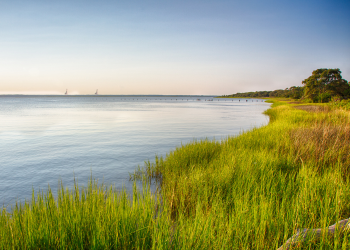
I came to North Carolina in 1992 with my wife and three children. It was far more than a move, it was the beginning of a new life. Money was tight, and we had no jobs when we crossed the bridge into Wilmington. Before the car was not even unloaded, I rushed to Sam’s Club and stocked up on the least expensive food in the greatest volume, grits, white bread, bologna, eggs, and Sam’s Club sodas by the case. It was what we needed and believe me, life was great.
We had visited the beach many times before. This time, it was home.
That was when I fell in love with my coastal surroundings, especially the estuaries. It
was there that I learned to fish saltwater, to catch crabs with a basket, and where many
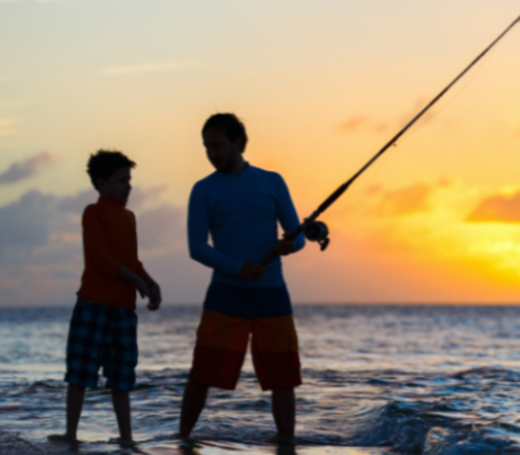
great memories were made. I remember fishing from a dilapidated pier with old rods and reels, my lures stored in a weathered metal box given to me by my great-uncle. In those days, I would often take my six-year-old son to play for hours where land met water, searching for anything he could catch. Those are days I would give anything to repeat. It was during that time that I began to understand estuaries, their beauty and their importance.
“Now, I will share what has
happened since 1992″
North Carolina’s estuaries have always been places of quiet magic, nurseries, feeding
grounds, storm buffers, and, for generations of fishermen, sacred water. Yet beneath their beauty, and slow, largely invisible story has been unfolding. The decline did not arrive with spectacle. North Carolina’s estuaries have always been places of quiet magic, nurseries,
feeding grounds, storm buffers, and, for generations of fishermen, sacred water. Yet
beneath their beauty, and slow, largely invisible story has been unfolding. The decline did not arrive with spectacle. No single storm or catastrophe announced its presence. Instead, it crept in gradually, often disguised as progress.
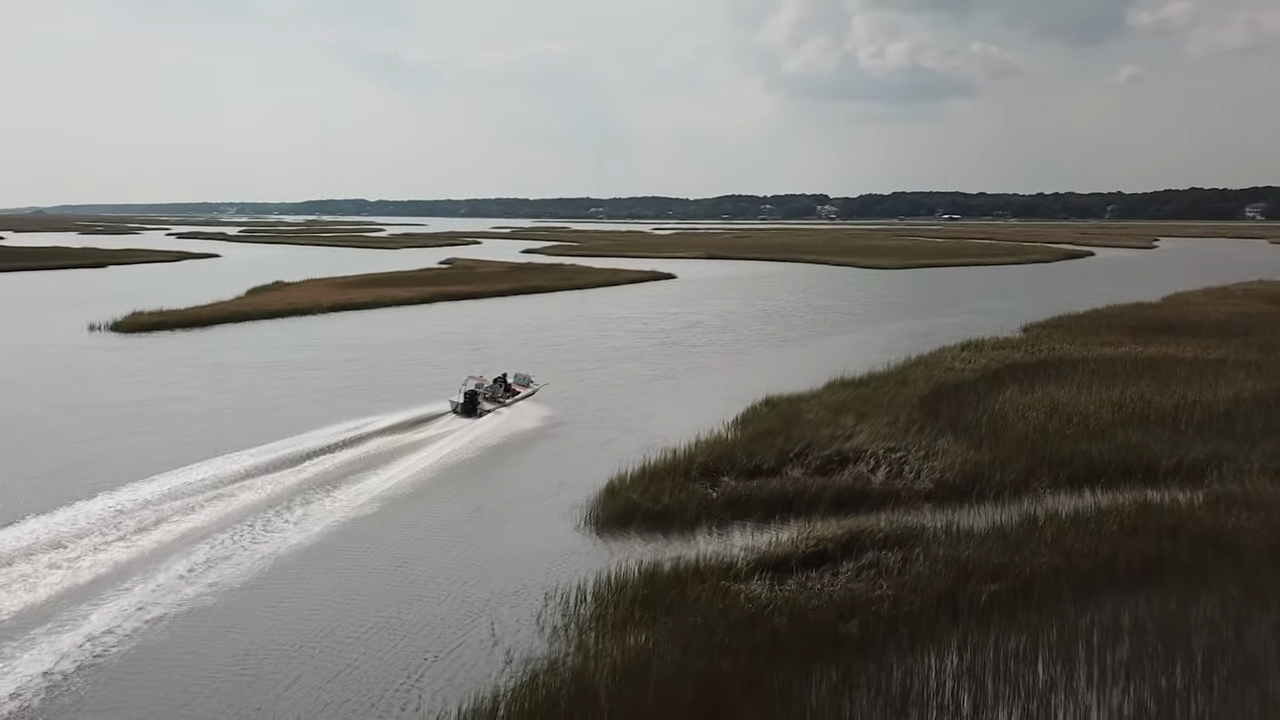
Estuaries thrive on balance, the precise mixture of fresh and salt water, steady nutrient exchange, and the filtering work of marsh grasses and oyster reefs. When that balance shifts, consequences ripple outward. Relentless coastal growth has replaced forests and open land with hardened surfaces. Rain that once soaked quietly into soil now races across
pavement, collecting oil, fertilizers, sediments, and contaminants before emptying into creeks and sounds. What appears harmless becomes an ecological disruptor.
Excess nutrients fuel algal blooms that cloud the water and trigger oxygen crashes. Sedimentation reshapes estuarine bottoms. Grass beds struggle, and oyster reefs decline — each missing reef removing vital filtration capacity. Clarity fades. Productivity weakens.
Climate variability adds additional pressure. Rising water temperatures alter oxygen levels
and shift species distribution. Stronger rain events intensify runoff, while sea-level rise
quietly drowns marsh edges. The estuary absorbs every change.
Yet the most striking aspect of this decline is how rarely it feels urgent. Estuaries do not
collapse overnight. Fish still bite. Sunsets remain spectacular. The system bends long before it breaks, allowing warning signs to hide in plain sight. Grass flats turn patchy. Creeks carry a permanent haze. Oyster beds shrink to scattered remnants. None dramatic enough for headlines, yet together forming a clear trajectory: less resilience, more instability.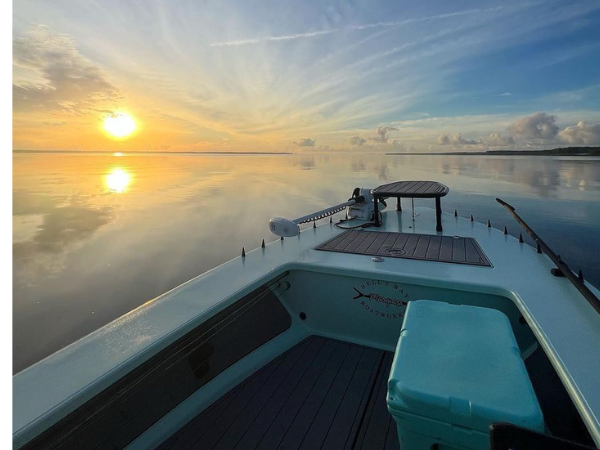
The Albemarle-Pamlico system remains one of the largest estuarine networks in the United States. Its health influences fisheries, economies, storm protection, and cultural
identity. When estuaries weaken, everything connected to them feels the strain.
But decline is not destiny. Improved stormwater management, living shorelines, reef restoration, and nutrient-reduction strategies have shown measurable benefits. Water clarity can improve. Habitats can recover. Fisheries can stabilize. The system remembers how to heal.
The real challenge is recognizing the timeline. Estuarine decline unfolds slowly, too slowly for political cycles, yet perfectly aligned with generational consequence. At its heart, this is a story about accumulation: small changes repeated thousands of times.
North Carolina’s estuaries remain extraordinary waters, but their future depends on whether the gradual nature of their decline continues to mask its significance. Estuaries rarely demand attention, until one day, they no longer function the way we remember.
A growing concern is that those entrusted with protecting these beloved resources have too often become entangled in politics and bureaucracy. Many of us believe this is no longer simply a management issue, but a rescue mission, and a significant one. Restoring the
balance will take time and will inevitably require difficult decisions that affect those who depend on, enjoy, and, most of all, love the state’s estuaries. There is no easy path forward.
It is important to remember that North Carolina’s estuaries belong to the people who live here and visit here, not to the politicians who regulate them.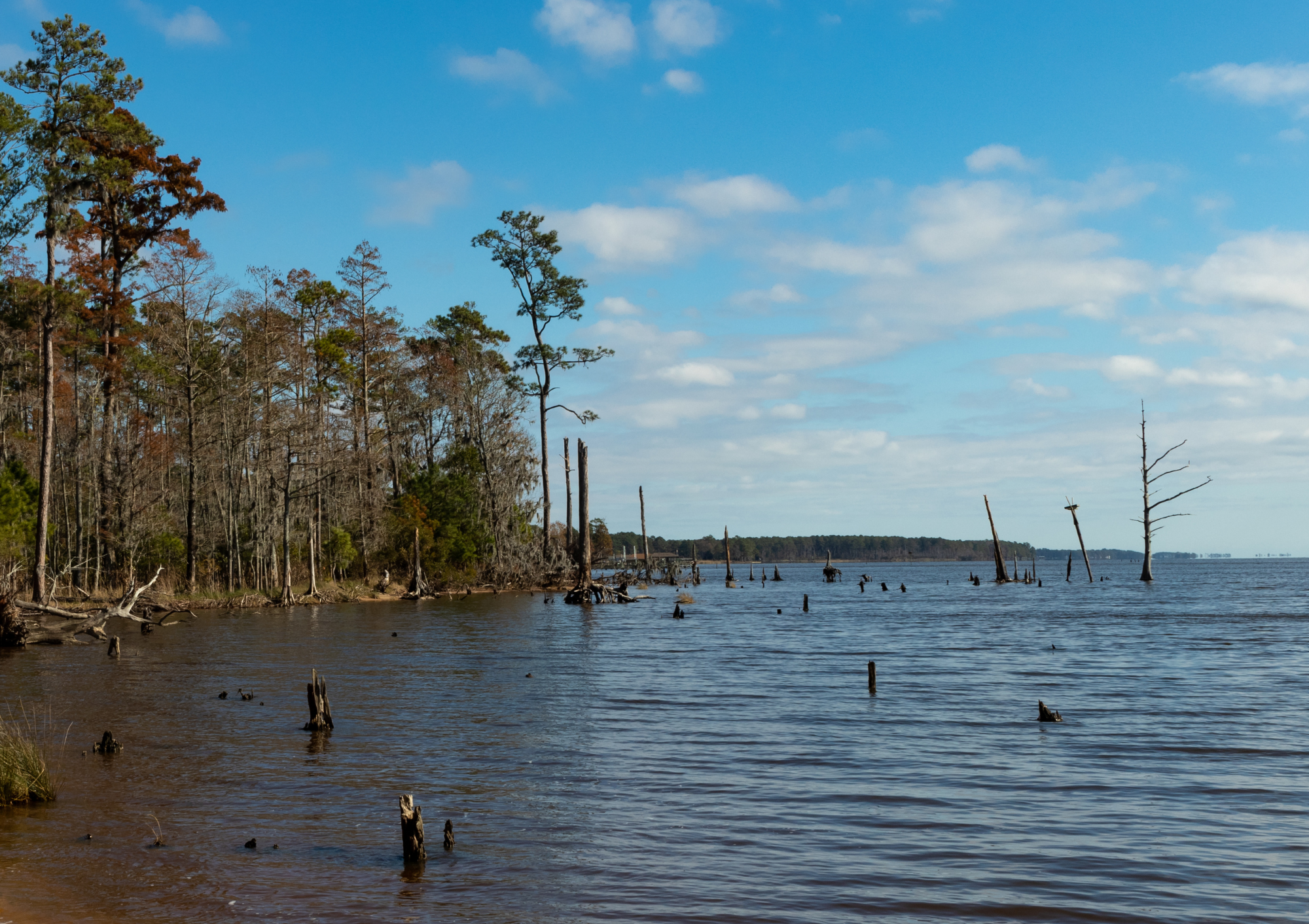
I remain deeply grateful that I, my children and grandchildren, were able to experience these waters before so much was lost.

You may be interested

Hottest Fishing Tackle In The Carolinas For Freshwater Fishing
Tim Wilson - March 29, 2026There’s something about freshwater fishing in the Carolinas that keeps anglers coming back, season after season. Maybe it’s the early morning fog lifting off a quiet lake,…

A Complete Guide to Buying the Right Turkey Hunting Shotgun, Including Red Dot Sights
Tim Wilson - March 28, 2026Turkey hunting demands precision, patience, and the right equipment. Choosing the right shotgun setup can make all the difference in the field. At Carolina Caliber Company, hunters…
Gulf Flounder Fishing….It’s Almost That Time
Tim Wilson - March 28, 2026Gulf flounder fishing is one of those pursuits that appears deceptively simple, drop bait to the bottom and wait, yet it consistently rewards anglers who understand the…