The Creek Doesn’t Care…Know What Expert Anglers Know
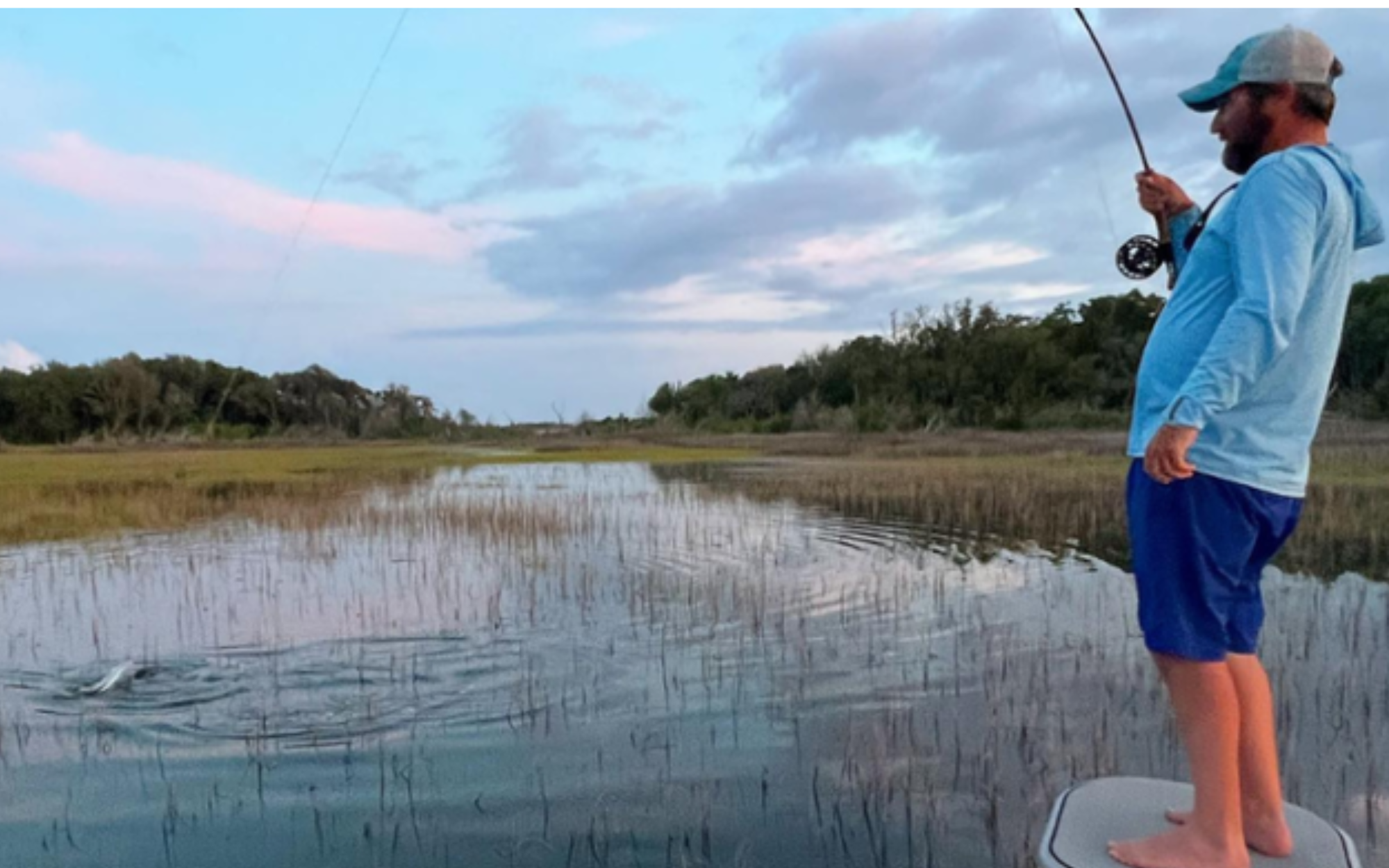
There is a particular kind of confidence that lives inshore. It rides comfortably in bay boats, speaks with authority about creeks and oyster bars, and carries an almost stubborn belief in spots. Every coastal town has one of these legendary places, a stretch of bank or a bend in a creek that has earned a reputation through years of good days and generous stories. The phrases are always familiar, delivered with certainty and the easy swagger of experience.
“This Place Never Fails.”
The morning typically begins the way great fishing days often do, wrapped in optimism and quiet expectation. The tide appears perfect, the light soft and forgiving, and the water calm enough to suggest cooperation. It is the sort of day that feels approved in advance, as if success is simply a matter of showing up. Lines hit the water with confidence. Casts land precisely where memory insists they should.
And Yet, Nothing Happens.
No swirl disturbs the surface. No bait scatters. No subtle tap travels up the rod. The bank looks flawless, the oysters sharp and promising, the entire scene unchanged from the previous trip when everything seemed effortless. The silence feels confusing, almost unreasonable, because fishermen tend to trust what they can see. Structure remains visible. Familiar landmarks stand exactly where they always have. What once felt automatic now feels strangely empty. The explanation offered most often is also
the simplest.
“They’re Just Not Here.”
It is a diagnosis repeated daily across inshore waters, and it is usually incomplete. Fish, unlike fishermen, are not sentimental creatures. They hold no loyalty to last week’s success or last season’s patterns.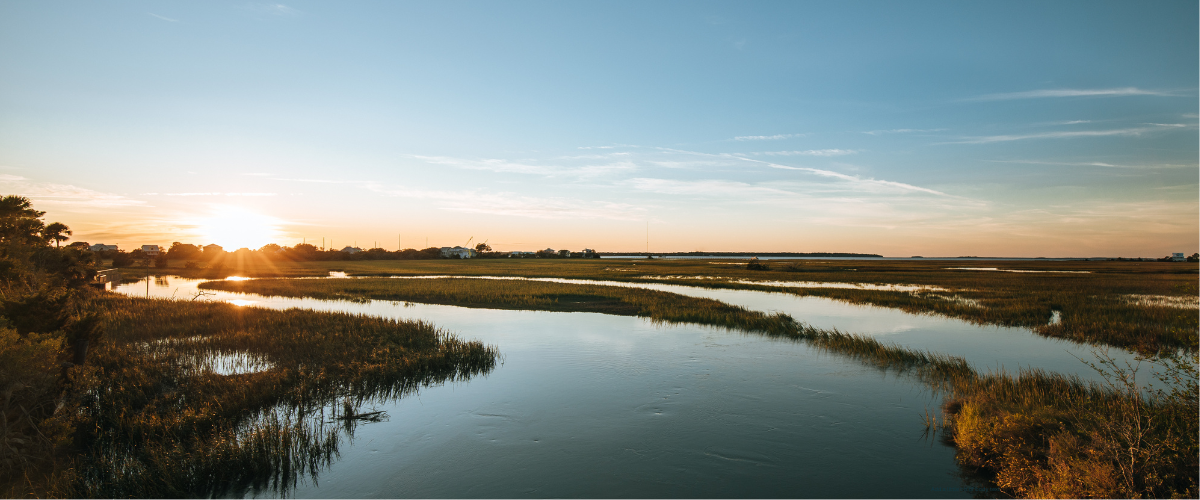
They respond instead to conditions, a constantly shifting blend of variables that rarely announce themselves clearly. Water clarity, temperature, current speed, oxygen levels, salinity, and bait movement quietly reshape the underwater world in ways that are easy to underestimate and difficult to observe. Because the creek itself does not hold fish. The water does. And water is never static.
Somewhere nearby, often closer than pride is willing to admit, the puzzle has shifted. A slight stain in the water left behind by yesterday’s wind alters visibility. Current runs just a bit harder, repositioning bait along subtle seams.
A minor temperature change influences feeding behavior. None of these adjustments appear dramatic from the casting deck, yet collectively they redraw the blueprint of life beneath the hull.
Bait relocates first. Predators follow. Meanwhile, fishermen remain loyal to scenery. The grass bank continues to look like a magazine cover. The oyster bar still suggests promise. Memory, powerful and persuasive, argues that persistence alone will correct the situation. But experienced anglers eventually learn that visual perfection above the surface often disguises quiet change below it. The absence of visible bait, the lack of nervous movement, and the subtle shifts in water texture frequently reveal more than the most attractive shoreline ever could.
The adjustment, when it comes, is rarely dramatic. It is usually small, occasionally reluctant, and sometimes made more from frustration than inspiration. A drift angle changes. A cast shifts slightly down-current. The boat moves a distance so modest it barely
registers as a decision.
Then Everything Changes.
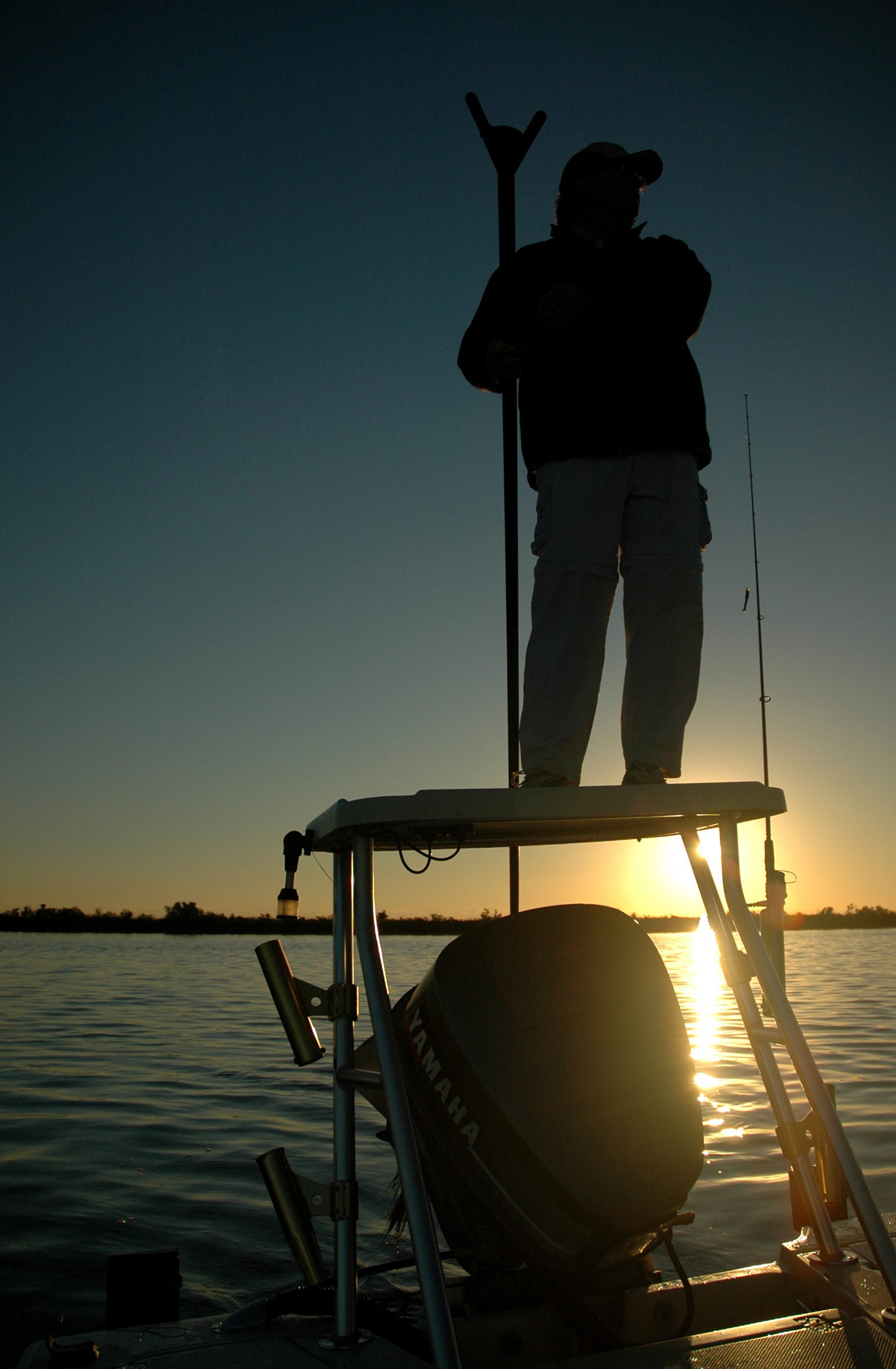 The surface comes alive with motion. A push of water betrays movement. A flash of copper
interrupts the green. That unmistakable thump travels up the rod, transforming uncertainty into sudden clarity. The fish were never truly gone. They were aligned elsewhere, responding logically to conditions that had quietly evolved. Nothing about the scenery changed. Everything about the understanding did.
Inshore fishing has always possessed a remarkable ability to dismantle assumptions. It exposes the limits of confidence built solely on memory and rewards those willing to read water rather than simply revisit coordinates. Over time, anglers who consistently succeed tend to share a common perspective. They recognize that structure provides opportunity, but conditions dictate reality. They observe movement instead of relying on history, and they accept that subtle environmental shifts frequently matter more than visible landmarks.
Fish are rarely mysterious. Water is. And the creek, indifferent to reputation and immune to nostalgia, continues its quiet rhythm, reminding every fisherman willing to listen that success inshore belongs not to certainty, but to awareness.
You may be interested
Cool Nights, Changing Lake Fishing
Tim Wilson - September 30, 2026September afternoons can still feel like midsummer throughout the Carolinas. Heat and humidity remain common, and surface water temperatures may stay high. The more important change is…
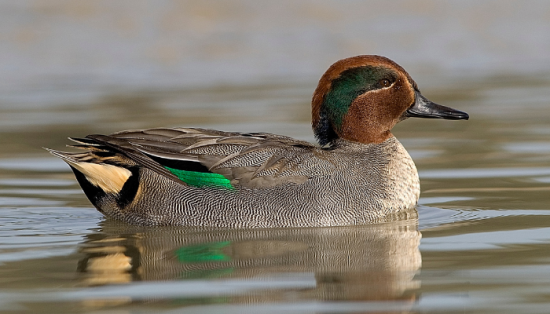
September Teal….. Carolina Waterfowl Season
Tim Wilson - September 30, 2026Waterfowl hunting usually brings images of cold fronts, heavy jackets and winter mornings, but September teal hunting along the Carolina coast is a completely different experience. Warm…
This Week’s Offshore Conditions Forecast
Tim Wilson - September 25, 2026The latest in offshore conditions. Click for full information. https://youtu.be/SZ3JnOloRHE?si=zuBbxUQhw3Gcah63 https://youtu.be/o03wbLuGckI?si=FL1jlf_-gvISsJ8O
Most from this category
Early Deer Season…. Why September Whitetails Require a Different Strategy
Tim Wilson - September 24, 2026