Cold Water, Hot Bite: Late Fall Inshore Fishing in the Carolinas

Every November there’s a morning when the air bites differently. The marsh grass has gone gold, the mullet are gone, and the water is clear enough to count oyster shells. Most boats are put away by now. The anglers who know better are just getting started, because late fall is when Carolina inshore fishing gets good.
The Outer Banks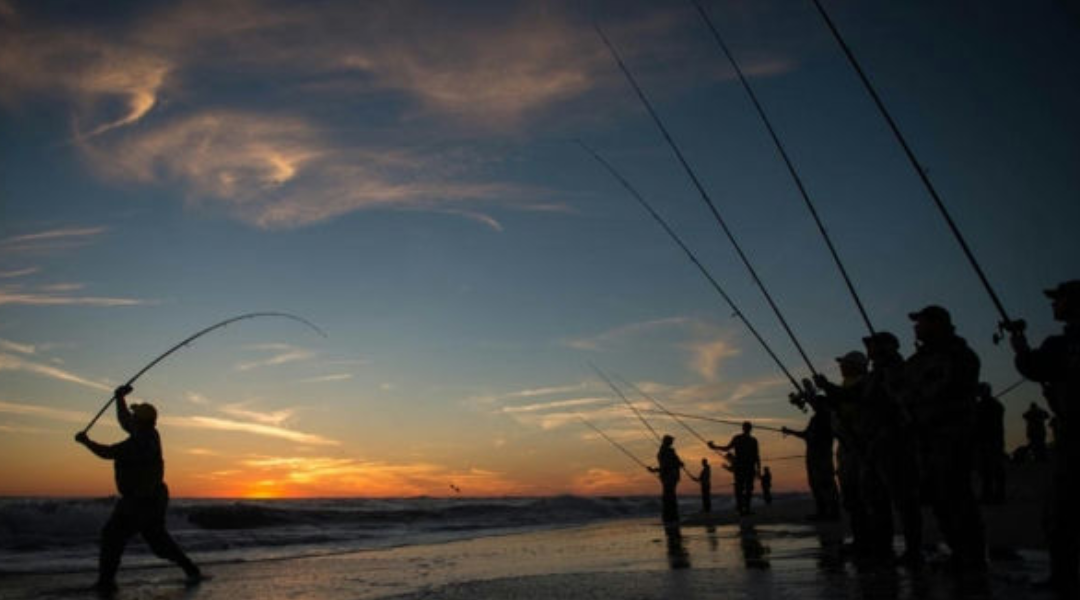
The trip begins at Cape Point near Buxton, where the surf can hold big red drum, puppy drum, and bluefish in the same week. Anglers stand in waders heaving cut mullet into the slough while the wind tries to take their hats. Behind the islands, the marshes near Oregon and Hatteras inlets fill with speckled trout and puppy drum as the water cools.

The Crystal Coast
Around Beaufort and Morehead City, the Haystacks, a maze of marsh islands and channels, hold trout in deeper holes where flats drop off. Farther south, Swansboro and the White Oak River see trout moving in from the ocean to spend the winter. The New River near Jacksonville also holds fish long after things cool elsewhere. Locals throw slow-sinking twitchbaits on still, cold mornings.
The Cape Fear Coast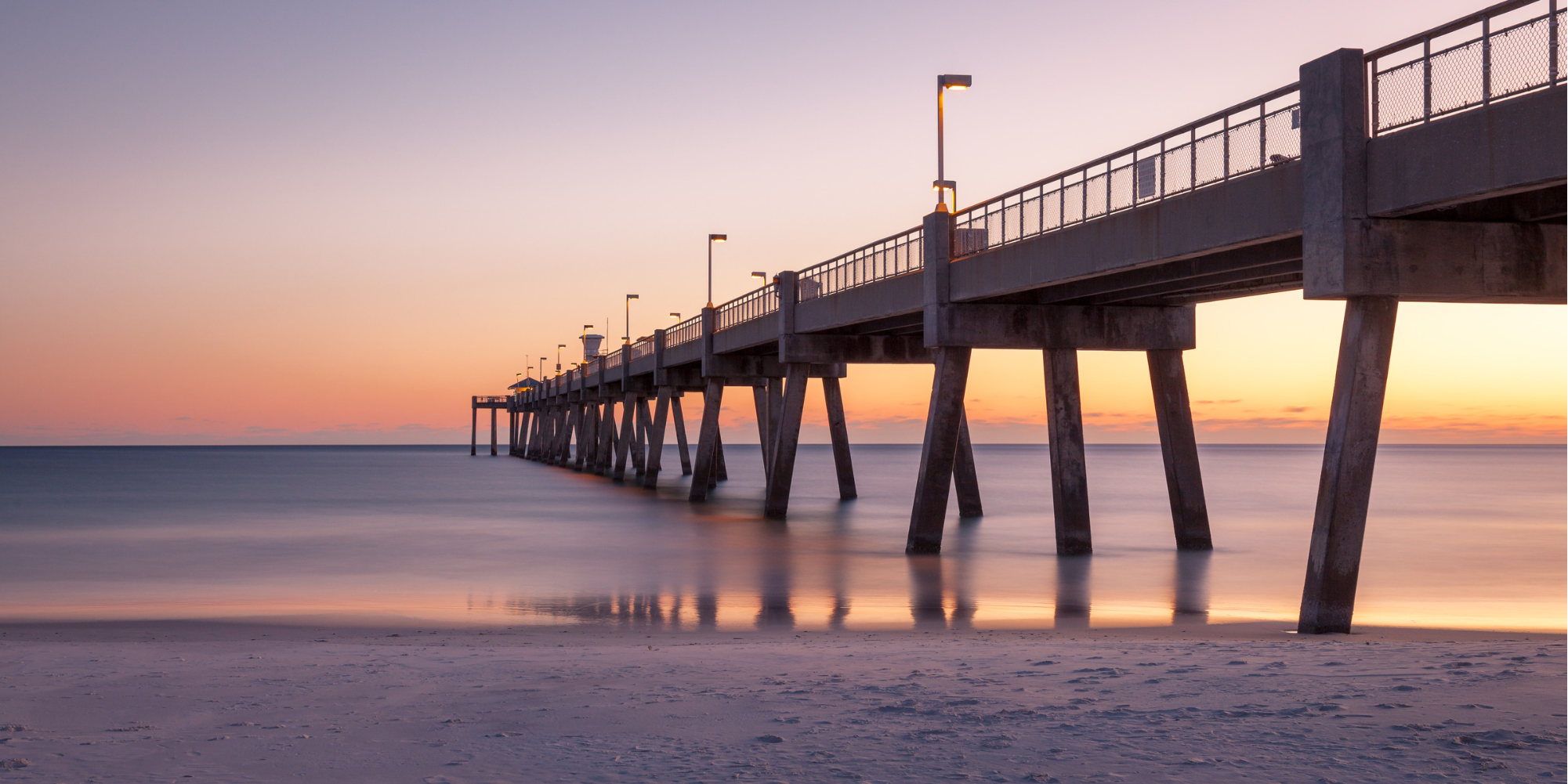
The creeks behind Masonboro Island hold trout and reds, and the inlets turn on with moving water. Then there’s “the Rocks” near Fort Fisher, a long wall separating the Cape Fear River from the Basin. Reds cruise it, trout hold its edges, and black drum and sheepshead nose around the structure. Southport, Lockwood Folly, and the Shallotte River round out North Carolina with protected, kayak-friendly marsh.
Grand Strand and Georgetown
Behind the condos of Murrells Inlet and Little River, marshes and jetties hold reds, trout, and black drum into winter. Georgetown’s Winyah Bay and North Inlet offer miles of undeveloped shoreline that feels unchanged in a hundred years.
The Lowcountry
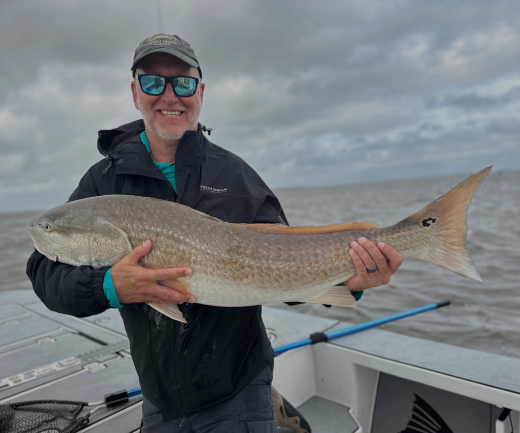
Charleston is South Carolina’s late fall headliner. As water cools, red drum gather in schools of dozens or hundreds, pushing across mud flats at low tide, copper backs glinting in inches of water. Cape Romain and Bulls Bay offer remote, empty horizons, while the Charleston Harbor jetties hold big trout and reds. South of the city, the ACE Basin’s maze of rivers and old rice fields fills with fish.
Beaufort and Hilton Head
The trip ends near Port Royal Sound, Hilton Head, and the May River, where tides can top eight feet. Falling water drains the flats and concentrates reds in creek mouths, while sheepshead hug docks and trout settle into deep holes.
What the Old-Timers Know  Slow down your retrieve as the water cools. Afternoons, after the sun warms the mud flats, often fish best. Clear water makes fish spooky, so use lighter line and longer casts. Regulations in both states have changed recently, so check with North Carolina Marine Fisheries and SCDNR before going.
When the first real cold front clears the sky to a hard blue, the best fishing of the year begins.

You may be interested

Three Ways to Make Your Offshore Trip Count
Tim Wilson - October 30, 2026Four hours of trolling without a strike can make an offshore fishing crew start watching the clock. You have already made the run, burned the fuel, and…
What Harvest Data Can Tell You About Deer Hunting
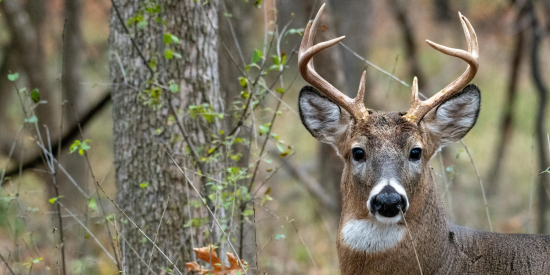
Tim Wilson - October 30, 2026How many times do you head to the woods before you get a shot at a deer? Most hunters have never counted, but state wildlife agencies have.…

Beer-Battered Fish Tacos……Great Beer Addition
Tim Wilson - October 30, 2026These tacos feature bright homemade pickled red onions and a cabbage slaw that gets tart creaminess from lime crema and a hint of sweetness from honey. (If…
Most from this category