What Harvest Data Can Tell You About Deer Hunting
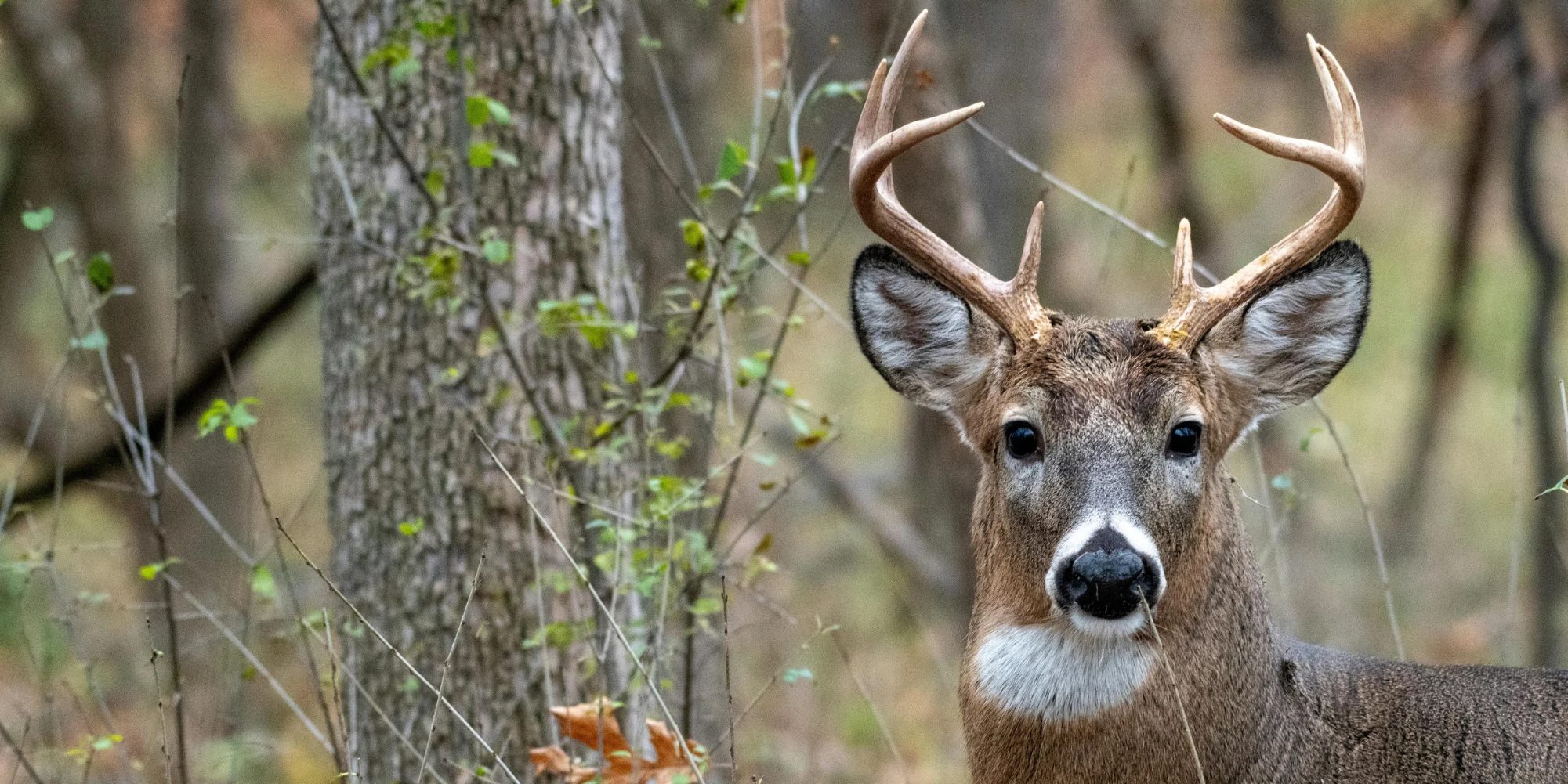
How many times do you head to the woods before you get a shot at a deer? Most hunters have never counted, but state wildlife agencies have. Many of them survey hunters every year and publish the results, and that information can help you choose where to hunt and know what to expect.

Where the Data Comes From
Some state wildlife agencies have worked with research firms for decades to gather hunter and harvest information, including success rates, harvests by county, and hunter satisfaction. They use it to set tag numbers and manage deer herds. Most states collect similar data, post at least some of it online, and will usually share more if you call and ask.
How Long It Takes
In one southeastern state’s 2023 season, hunters spent about 17 days afield for each deer harvested, and bowhunters spent about 27. A neighboring state saw similar results, with archers averaging closer to 15 days. Numbers like these give you a realistic estimate of how many days to plan for, especially on an out-of-state trip.
Long odds don’t always mean hunters aren’t seeing deer. When unsuccessful hunters were surveyed about why they didn’t harvest, half said they chose not to shoot, 16 percent said they never had an ethical shot, and about a quarter didn’t see a deer at all.
Comparing Success Rates
The National Deer Association reports that 41 percent of U.S. hunters took at least one deer in the 2022–23 season. Depending on the state, that figure ranged from as low as 18 percent to as high as 71 percent. In some top-performing states, nearly a third of hunters took two or more deer.

Finding Productive Areas
Many states publish success rates for individual counties and wildlife management areas, and some managed quota hunts post success rates above 70 percent. High-success areas are usually well managed or limit hunter numbers, so check for draw or permit requirements before you go. Low-odds areas, on the other hand, can be a rewarding challenge for experienced hunters.
Keep Expectations Realistic
Social media makes hunting look easy, but the numbers say otherwise. Even skilled hunters often go home empty-handed, and luck plays a real part.
Effort Makes the Difference
A six-year study of 416 hunters found that successful hunters spent more time away from camp and more time hunting on foot. Each extra hour in the field per day raised a rifle deer hunter’s odds of success by 26 percent.
The bottom line: use the data to pick your spot, then put in the time. Scout often, hunt longer, and walk farther.
Before You Head Out
Check your state wildlife agency’s website for harvest reports and success rates, and look at the National Deer Association’s annual Deer Report for national comparisons.
You may be interested

Cold Water, Hot Bite: Late Fall Inshore Fishing in the Carolinas
Tim Wilson - October 30, 2026Every November there’s a morning when the air bites differently. The marsh grass has gone gold, the mullet are gone, and the water is clear enough to…

Three Ways to Make Your Offshore Trip Count
Tim Wilson - October 30, 2026Four hours of trolling without a strike can make an offshore fishing crew start watching the clock. You have already made the run, burned the fuel, and…

Beer-Battered Fish Tacos……Great Beer Addition
Tim Wilson - October 30, 2026These tacos feature bright homemade pickled red onions and a cabbage slaw that gets tart creaminess from lime crema and a hint of sweetness from honey. (If…
Most from this category