Fishing the Jetties…. Read the Water, Work the Rocks
Jetties bring together three things fishermen look for: structure, moving water, and food. Along the Carolina coast, these rock walls help stabilize inlet entrances and direct tidal flow through navigation channels. They also create feeding opportunities for fish. Jetties can shelter nearby water from some wave action, but they do not stop the wind or guarantee safe passage.

North Carolina’s Masonboro Inlet offers familiar jetty fishing near Wrightsville Beach. South Carolina’s major inlet jetty systems include Little River Inlet, Murrells Inlet, Winyah Bay at Georgetown, and Charleston Harbor. Each has its own currents, depths, and exposure to ocean conditions, but the fishing begins with the same question: where is the water carrying the food?
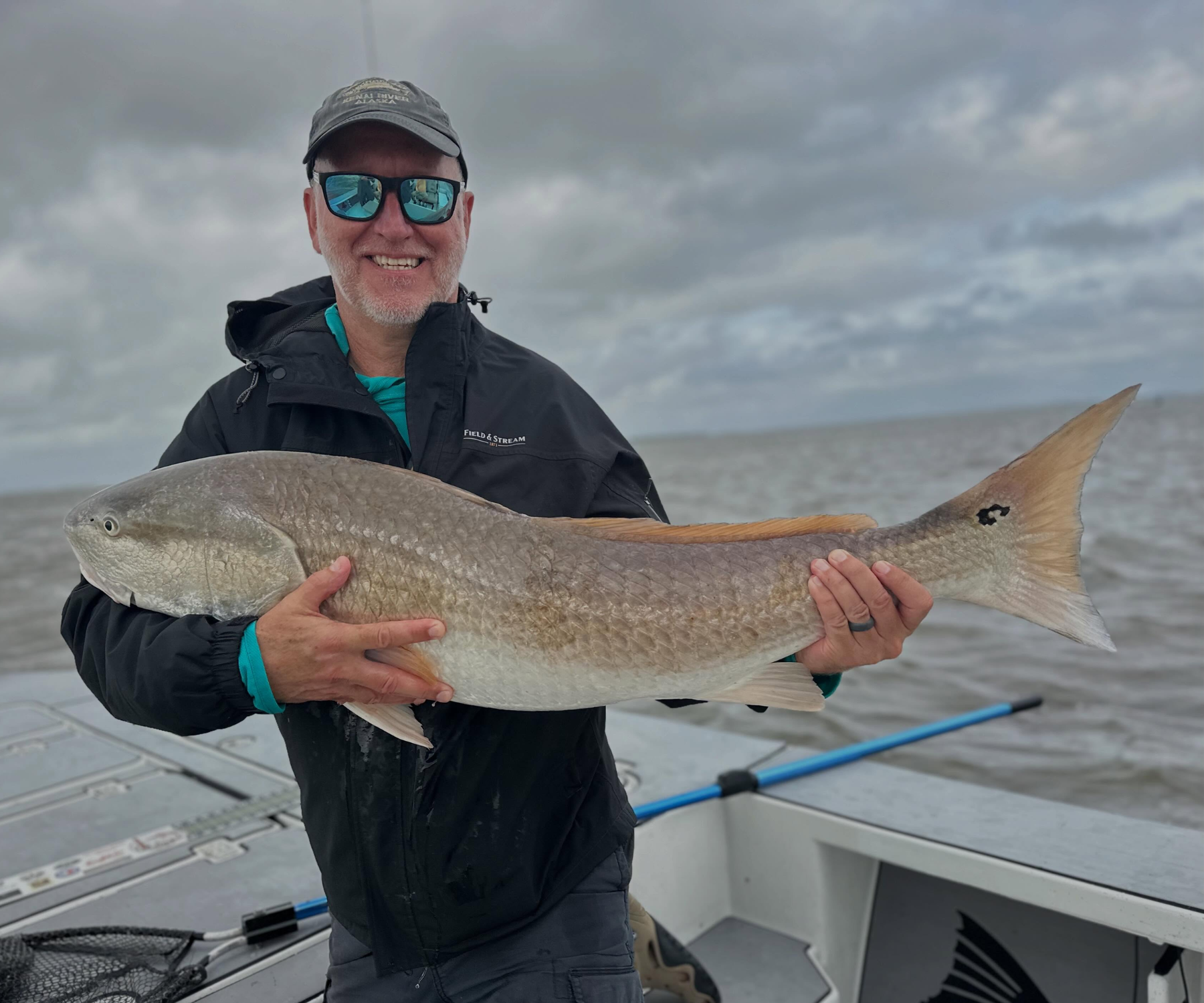
Small fish, shrimp, and crabs find shelter around the rocks. Redfish, speckled trout, and flounder feed nearby, taking advantage of bait moving through the area. Rather than casting immediately, watch for nervous baitfish, current seams, eddies, and quieter pockets beside faster water. Predators often hold along these edges, where they can intercept food without constantly fighting the strongest flow.
Neither side of a jetty is automatically more productive. Tide direction, wind, swell, and submerged rock formations influence where bait gathers and how your presentation moves. A stretch that produces on an incoming tide may change completely when the current reverses. Look for feeding activity rather than assuming the inside or outside wall will always hold more fish.
Boat positioning matters as much as lure selection. Stay within casting range while leaving enough clearance for passing wakes, waves, and changes in current. Submerged rocks can extend beyond the visible wall. Keep everyone in a life jacket, secure loose equipment, and maintain a clear route away from the structure.
If anchoring, allow enough room for the boat to swing safely and remain outside the navigation channel. Never anchor from the stern in strong current. A spare anchor and adequate rode are useful, but recovering snagged equipment should never put the crew or boat at risk.
Cast alongside the rocks rather than onto them. Present your bait upcurrent and let it travel naturally past likely holding areas. Use enough weight to reach the desired depth without continually lodging between stones. Live shrimp, finger mullet, and artificials can all produce, depending on the bait present and the species you are targeting.
When bites are scarce, change your casting angle, depth, or retrieve speed. Work different sections of the wall when conditions allow. A small adjustment may carry your offering through a feeding pocket you missed on earlier casts.
Remember where strikes occur and note the tide stage, water clarity, and bait activity. Those observations help you build a pattern for future trips. Keep watching the weather and boat traffic throughout the day. Jetty fishing rewards attention to detail, and staying alert is what allows you to return and put that knowledge to work.
You may be interested

Three Ways to Make Your Offshore Trip Count
Tim Wilson - October 29, 2026Four hours of trolling without a strike can make an offshore fishing crew start watching the clock. You have already made the run, burned the fuel, and…
Gone but Not Forgotten….. The Carolinas’ Classic Boatbuilders
Tim Wilson - October 29, 2026Walk any marina from Manteo to Charleston and you'll still see them: older hulls with names on the transom that no factory builds anymore. The Carolinas have…

Cold Water, Hot Bite: Late Fall Inshore Fishing in the Carolinas
Tim Wilson - October 29, 2026Every November there’s a morning when the air bites differently. The marsh grass has gone gold, the mullet are gone, and the water is clear enough to…
Most from this category

The Final Chapter…… Protecting the North Carolina Estuaries and It’s People
Tim Wilson - October 22, 2026