Three Ways to Make Your Offshore Trip Count
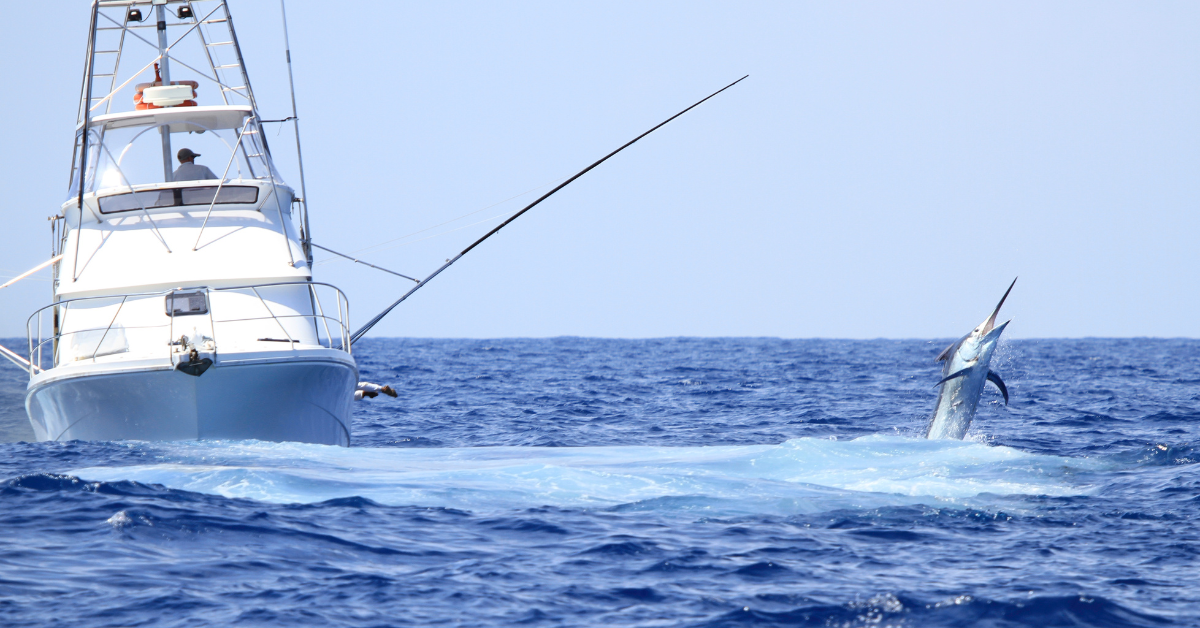
Four hours of trolling without a strike can make an offshore fishing crew start watching the clock. You have already made the run, burned the fuel, and worked the water you thought would produce. Having another fishing option prepared gives you a reason to make the next move with confidence.
For the crew I fish with, trolling, bottom fishing, and deep dropping give us three ways to approach a day offshore. We enjoy each method, and preparing for all three lets us respond to what we find. The idea is to make good use of our time while keeping the trip practical for our boat and crew.
That preparation begins before anything goes into the boat. On a 34-foot center console fishing off the Carolinas, the weather influences every decision. We study conditions for the ride out, the hours we expect to fish, and the return trip. Wind direction, wave height, and wave period help us choose a workable fishing area or decide to postpone.
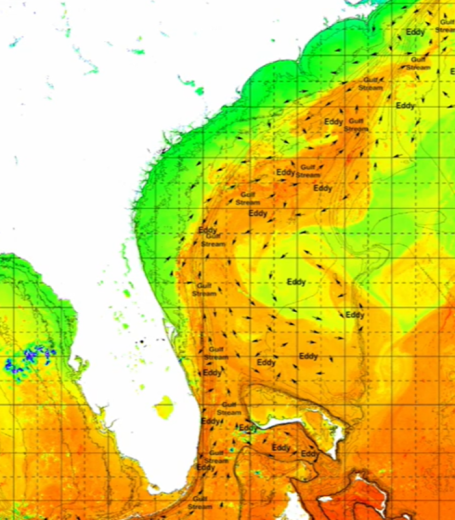
Then we look for a starting point. Reports from fishermen we trust and satellite images showing sea-surface temperatures help us narrow the search. Fish move, and yesterday’s report is only a clue. Once offshore, we still need to find the bait, birds, temperature breaks, color changes, or weed lines that make an area worth fishing.
We usually begin by trolling. Sometimes we set our spread about a mile and a half short of the selected waypoint, giving us time to organize the lines and fish our approach. We watch the water as closely as the electronics. If the signs of life lead us away from the original destination, we follow them.

After several hours, we consider what the fishing is telling us. A steady bite may keep us trolling longer. Quiet water and little activity may send us toward bottom structure already marked along a sensible route. Having those locations selected beforehand makes the change easier.
Bottom fishing gives everyone a different job and a fresh opportunity. We prepare rigs for the species and depths we expect to encounter, with bait packed before leaving home. Frozen scraps saved from earlier trips can be useful where permitted. When conditions allow, our trolling motor holds position while we work a spot and make small adjustments.
Deep dropping is another possibility when the weather, equipment, time, and remaining fuel allow it. We consider that stop as part of the day’s route, including the run home. There is no requirement to try every method simply because we brought the tackle.
The same teamwork continues at the dock. Everyone helps clean the catch, wash the boat, rinse tackle, and store equipment. Over time, those shared responsibilities have become part of our routine.
You may be interested
Three Ways to Make Your Offshore Trip Count
Tim Wilson - October 29, 2026The tide is falling out of the spartina when the first copper tail breaks the surface. A redfish, head down in four inches of water, rooting for…
Fishing the Jetties…. Read the Water, Work the Rocks
Tim Wilson - October 29, 2026Jetties bring together three things fishermen look for: structure, moving water, and food. Along the Carolina coast, these rock walls help stabilize inlet entrances and direct tidal…
Gone but Not Forgotten….. The Carolinas’ Classic Boatbuilders
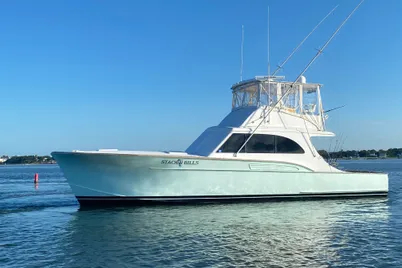
Tim Wilson - October 29, 2026Walk any marina from Manteo to Charleston and you'll still see them: older hulls with names on the transom that no factory builds anymore. The Carolinas have…
Most from this category