Three Ways to Make Your Offshore Trip Count
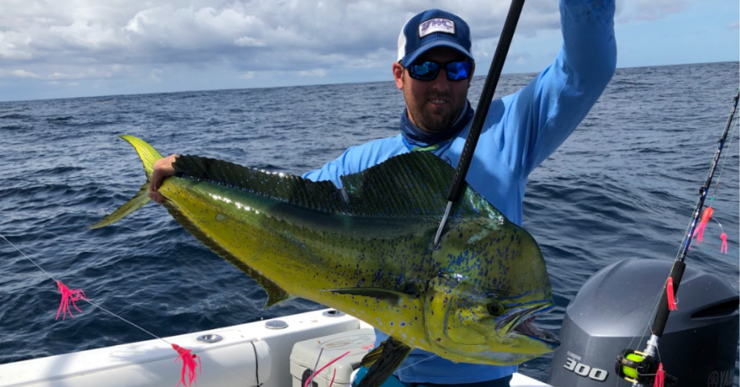
The tide is falling out of the spartina when the first copper tail breaks the surface. A redfish, head down in four inches of water, rooting for crabs. The angler on the bow strips off line, waits for the guide’s quiet “now,” and drops a small shrimp pattern a foot ahead of the fish. One twitch. The water boils.
Ten years ago, a scene like this on a Carolina marsh was a rarity. Today it plays out every week from the Outer Banks to Beaufort, South Carolina. Saltwater fly fishing, long treated as a Florida Keys or New England pursuit, has found a second home in the Carolinas, and the reasons run deeper than one good fish.
A Fishery With Range
Start with the fish. North Carolina’s anglers encounter 258 species in their saltwater catch, second only to Florida on the East Coast, and South Carolina follows at 190. For a fly rodder, that variety means something to chase in every season.
Redfish, speckled trout and flounder hold in the marshes year-round. Summer brings tarpon to Pamlico Sound and cobia to the nearshore buoys. Then comes October, when false albacore crash bait off Cape Lookout. Bird-marked blitzes in Lookout Bight now draw fly anglers from across the country and abroad, and the motels and grills of Harkers Island fill with out-of-state accents. Veteran anglers compare the run to Cape Cod and Montauk, without the crowds.
The habitat makes it work. Pamlico Sound, the Neuse River estuary, the Cape Romain refuge and the Lowcountry’s endless creeks give fly anglers what they need most: shallow, clear water where fish can be seen before they are cast to.
More People, Better Gear, More Guides
The coast itself is growing. South Carolina’s wildlife officials say saltwater angler numbers have climbed since 2021, largely because more people are visiting and moving to the shore. Many newcomers arrive with freshwater fly experience from Appalachian trout streams and want a bigger challenge close to home.
Gear has caught up with that ambition. Modern rods, sealed-drag reels and sinking lines now handle wind, salt and fast fish that once broke tackle. A capable outfit no longer demands a specialist’s budget.
A guide network has grown to match. Captains in Harkers Island, Beaufort, Wilmington and Charleston now run dedicated fly charters and short casting lessons for beginners. Fly shops, clubs and events such as Charleston’s Southeastern Wildlife Exposition demos give newcomers a place to learn, swap flies and find fishing partners.
A Sport That Gives Back
Fly anglers tend to release what they catch, and many become vocal advocates for the water. Writers who have followed the Harkers Island albacore run credit it with stirring new interest in fisheries management and water quality across North Carolina. That stewardship matters as development, runoff and warming water press on the same marshes that make the fishing possible.
In the end, the appeal is simple. Saltwater fly fishing in the Carolinas is hunting as much as fishing: reading the tide, spotting the tail, making one good cast. As more people discover how close that experience is to home, the quiet sport of the marsh keeps getting a little less quiet.

You may be interested
What Harvest Data Can Tell You About Deer Hunting
Tim Wilson - October 30, 2026How many times do you head to the woods before you get a shot at a deer? Most hunters have never counted, but state wildlife agencies have.…

Three Ways to Make Your Offshore Trip Count
Tim Wilson - October 29, 2026Four hours of trolling without a strike can make an offshore fishing crew start watching the clock. You have already made the run, burned the fuel, and…
Fishing the Jetties…. Read the Water, Work the Rocks
Tim Wilson - October 29, 2026Jetties bring together three things fishermen look for: structure, moving water, and food. Along the Carolina coast, these rock walls help stabilize inlet entrances and direct tidal…
Most from this category