Carolina’s Most Dangerous Inlets and How to Navigate Them
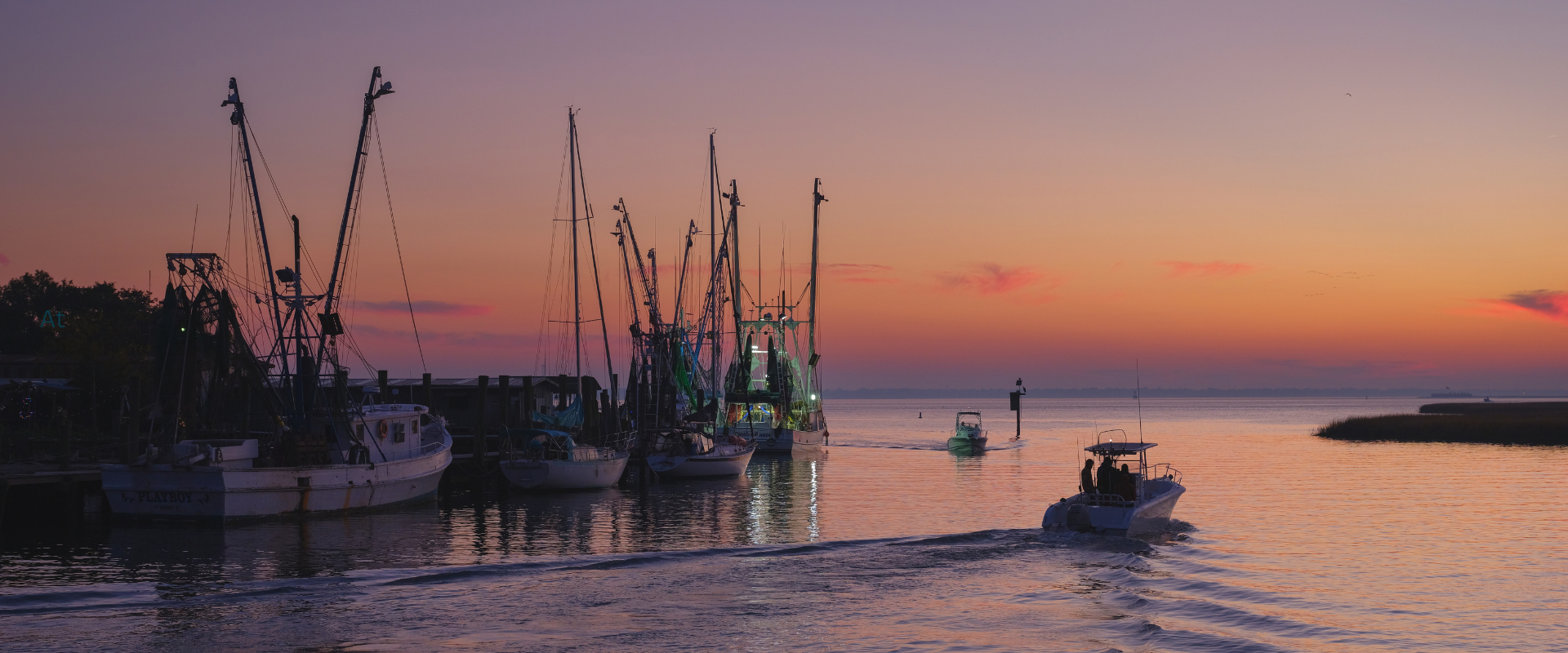
The Carolina coast is full of inlets that shift, shoal, and break in ways that demand respect, but a handful have earned reputations over decades for being especially unforgiving. These aren’t places you take lightly, particularly when wind and tide are working against each other.
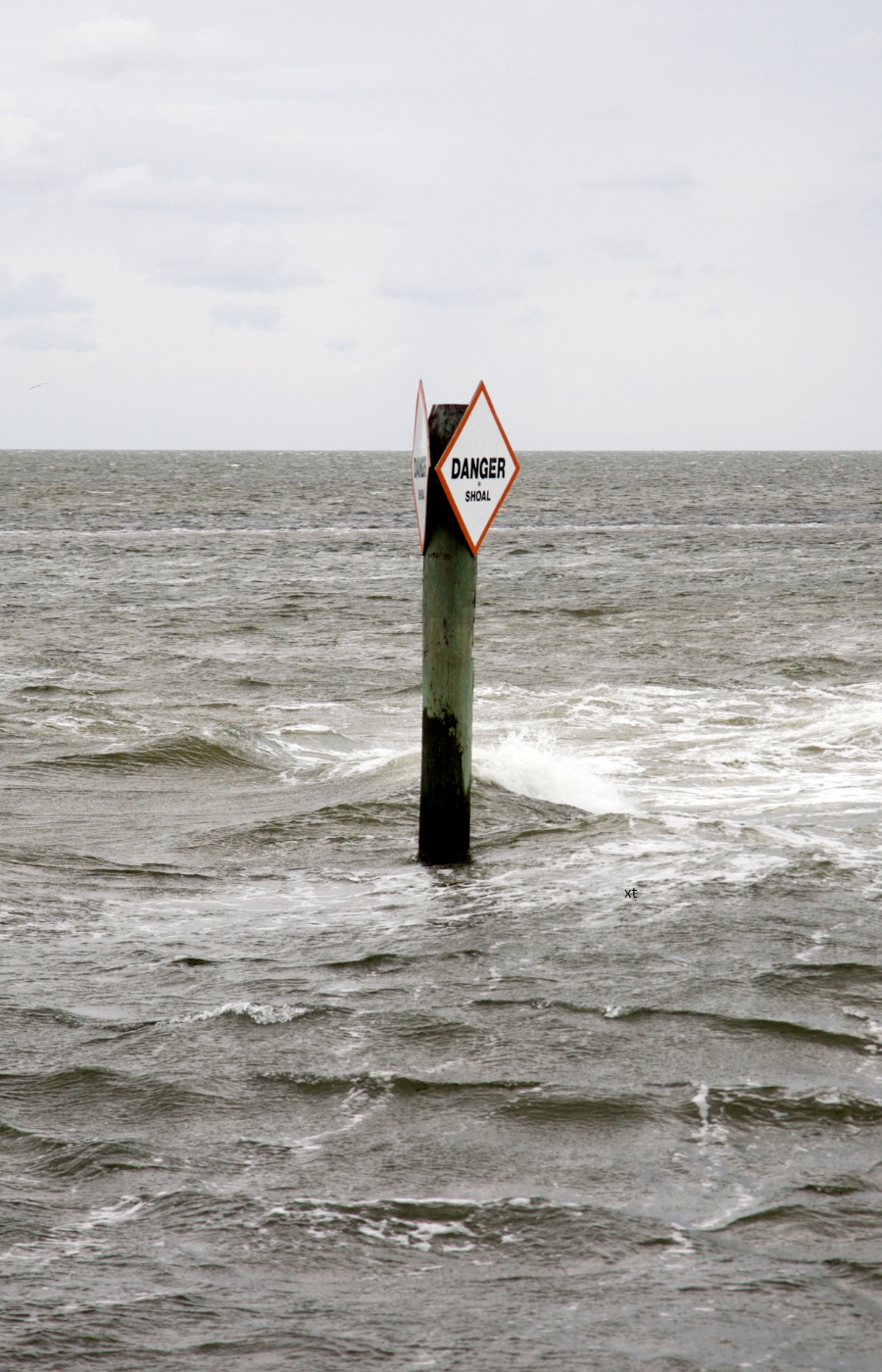 Oregon Inlet (Outer Banks, NC) is often at the top of the list. It’s a constantly changing inlet with strong currents and shifting sandbars that can move in a matter of days. Add in a hard northeast wind against an outgoing tide and it can stack steep, breaking waves across the bar in a hurry. Even experienced captains stay updated on the latest channel markers and local knowledge before making a run.
Hatteras Inlet (NC) can be just as dangerous, especially because of the interaction between Pamlico Sound and the Atlantic. The currents here are powerful, and the shoaling changes frequently. It’s not uncommon to see breaking seas across the inlet when conditions line up wrong, and timing your run with the tide is critical.
Beaufort Inlet (NC) is more stable than some others, but it can turn nasty fast. When a strong outgoing tide meets a stiff easterly wind, the bar at the mouth can stand up with tight, steep waves. It’s heavily trafficked, which adds another layer of risk if visibility drops or seas build.
Cape Fear River Inlet / Frying Pan Shoals (NC) is a different kind of danger. The shoals extend miles offshore, and when seas build, waves can break far from what looks like “safe water.” This area has been the site of countless groundings and shipwrecks, earning its reputation as one of the most treacherous stretches on the East Coast.
Little River Inlet (NC/SC border) is deceptively tricky. It doesn’t always look threatening, but shifting shoals and cross currents can create unpredictable conditions, especially on a falling tide with onshore wind. It’s an inlet where local knowledge makes a big difference.
Murrells Inlet (SC) is shallow and constantly shifting, often with breaking waves across the bar. It’s not a deep-draft inlet, and even smaller boats can find themselves in trouble if they don’t pick their way through carefully.

Charleston Harbor Jetties (SC) can produce dangerous standing waves when tide and wind oppose each other. The constricted flow between the jetties accelerates current, and conditions can change quickly, especially during strong tidal exchanges.
The common thread with all of these is simple, wind against tide is the danger zone, and local knowledge is everything. Channels move, bars build, and what was safe last month may not be safe today. Watching the conditions, talking to local captains, and respecting what the inlet is doing at that moment is what keeps a routine run from turning into a bad situation.
You may be interested

This Week’s Offshore Conditions Forecast
Tim Wilson - September 11, 2026The latest in offshore conditions. Click for full information. https://youtu.be/yJWJ_XJ7Aug https://youtu.be/b0SJPKj3fN8
A Carolina Coast Fishing Icon Passes….Captain Robbie Wolve
Tim Wilson - September 11, 2026The Carolina fishing community lost one of its own with the passing of longtime charter fisherman Captain Robbie Wolfe, who died peacefully at his Wilmington home on…

Catching GIANT Flounder Around Docks in NORTH CAROLINA
Tim Wilson - September 11, 2026Flounder are masters of disappearing, but Capt. Jot Owens knows exactly where to look. C.A. Richardson heads to Wrightsville Beach, North Carolina, to join renowned inshore guide…
Most from this category