Advanced Redfishing Tactics The Next Level
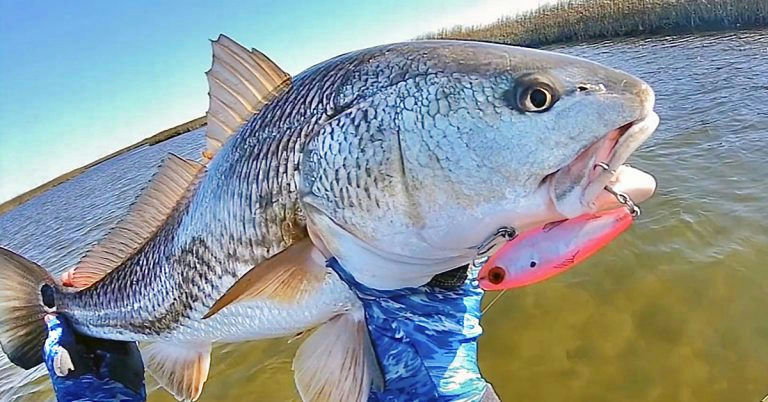
Most experienced redfish anglers already know how to fish a popping cork, work an oyster bar, or pitch a soft plastic under a dock. The challenge today is finding an edge when the fish are pressured and the conditions are changing. These tactics are helping seasoned anglers consistently put more redfish in the boat.
Fish the Tide Windows, Not the Tide
Many anglers plan trips around high or low tide. The better approach is focusing on the one- to two-hour windows when water movement is strongest. Veteran guides often find that a specific stage of the tide consistently produces feeding fish, regardless of whether it’s rising or falling. Documenting these windows can reveal patterns that others miss.
Target Transition Zones
Most fishermen focus on obvious structure. Experienced anglers are increasingly targeting transition areas where one type of bottom meets another. Mud to sand, shell to grass, or deep water to shallow flats often concentrate bait and feeding redfish. These subtle changes frequently outproduce the structure itself.
Use the Wind as a Tool
Instead of avoiding windy conditions, advanced anglers use them to locate fish. Wind pushes bait, muddies certain shorelines, and creates feeding opportunities. A shoreline receiving a steady wind for several hours can become a feeding zone while protected areas remain lifeless.
Make the First Cast Count
Pressure has made redfish far more cautious than they were twenty years ago. Many experienced anglers believe the first cast to a fish or school is the only cast that truly matters. Once fish detect a boat, trolling motor, or repeated presentations, catch rates often decline sharply.
Fish Away From the Crowd
The best redfish fishermen are spending less time on community holes and more time exploring overlooked water. Small feeder creeks, shallow bays, and difficult-to-access shorelines often hold fish that see far fewer lures.
 Match the Speed of the Bait
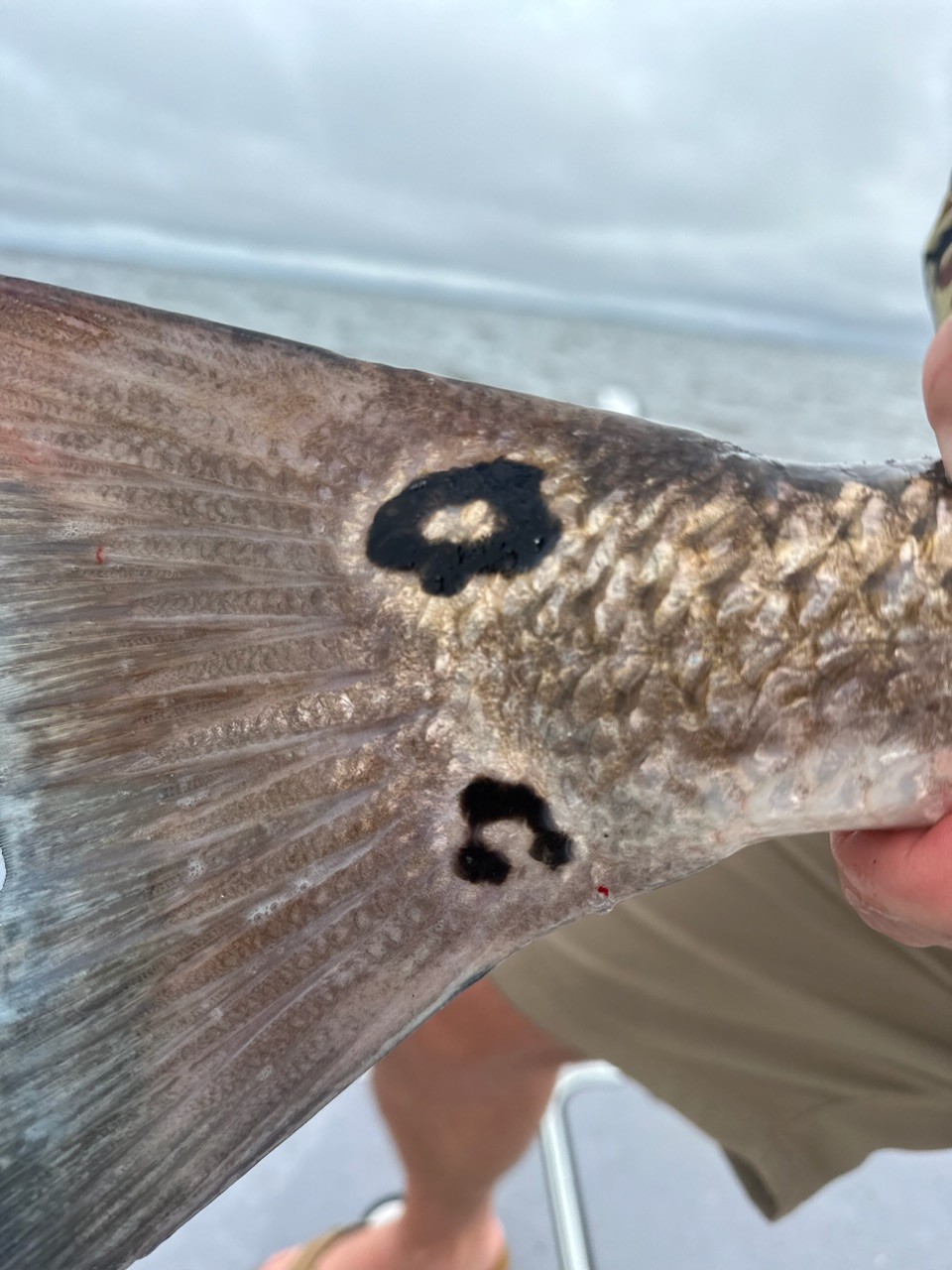
Most anglers focus on lure size and color. Advanced fishermen pay close attention to retrieve speed. When shrimp are active, a more aggressive presentation often works. When mullet are sluggish during temperature changes, slowing down can dramatically increase strikes.
Use Electronics to Eliminate Water
Modern side imaging and mapping are changing inshore fishing. Experienced anglers are using electronics to locate bait concentrations, depth changes, and shell beds before ever making a cast. The goal is not to find fish directly but to quickly eliminate unproductive water.
Think Like a Predator
The most successful redfish anglers spend less time choosing lures and more time understanding why fish are in a particular location. Every redfish is looking for food while expending the least amount of energy possible. Identifying where bait is forced to move through a narrow area often leads directly to feeding fish.
The future of advanced redfishing is not about finding a secret lure. It is about understanding tides, bait movement, wind, bottom composition, and fishing pressure better than the next angler. The fishermen who master those details continue to catch redfish even when everyone else says the bite is slow.
You may be interested
North Carolina Marine Fisheries A System in Trouble: Chapter 5
Tim Wilson - September 18, 2026The Disappearing Working Waterfront A working waterfront is more than a place where boats are tied to a dock. It is a living connection between the people,…
The Best Lures For 2026 Fall Speckled Trout Fishing
Tim Wilson - September 18, 2026Cooler weather is here and that can only mean that Speckled Trout fishing is starting to boom. Take a look at 3 of the Carolina's most well…
From Spanish to Kings….How Long Will the Nearshore Mackerel Bite Last?
Tim Wilson - September 18, 2026September may signal the beginning of fall, but Carolina ocean waters don't suddenly cool because the calendar changes. For fishermen targeting Spanish and king mackerel, that means…
Most from this category