Choosing the Right Fishing Hook

Choosing the Right Saltwater Fishing Hook
Walk into any tackle shop, and you’ll find an entire wall of fishing hooks. Circle hooks, J-hooks, octopus hooks, live bait hooks, treble hooks—the choices can be overwhelming. Yet selecting the right hook can make the difference between a successful day on the water and watching fish after fish come unbuttoned.

The first thing to consider is what you’re fishing for. A hook designed for speckled trout isn’t necessarily the best choice for a 40-pound red drum or an offshore king mackerel. Matching the hook size to the bait and the fish is one of the simplest ways to improve your catch rate.
Circle Hooks
 Circle hooks have become the standard for many saltwater anglers. Unlike traditional J-hooks, the point curves back toward the shank. Rather than setting the hook with a hard jerk, anglers simply begin reeling when the fish takes the bait. The hook naturally slides into the corner of the fish’s mouth.
Circle hooks offer several advantages:
- Better hook-up percentages.
- Fewer gut-hooked fish.
- Easier releases for catch-and-release fishing.
- Required by regulations in many fisheries.
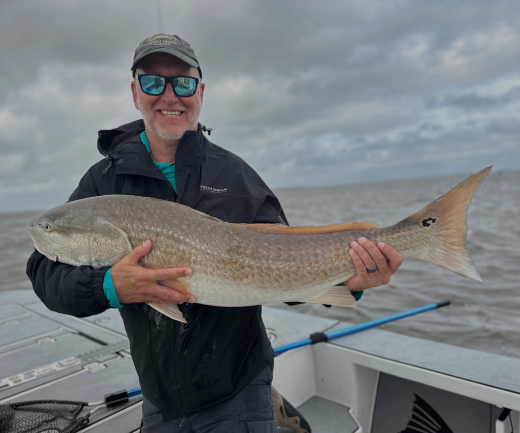
They’re excellent for red drum, striped bass, tarpon, cobia, sharks, and many offshore species.
J-Hooks
The traditional J-hook still has its place. They’re ideal when fishing artificial lures, soft plastics, or when you need an immediate hookset. Many anglers prefer them for flounder, trout, and jig presentations where quick reaction is important.
Treble Hooks
 Treble hooks are commonly found on plugs, spoons, and topwater lures. Their three points increase the chances of hooking aggressive fish but can also make releasing fish more difficult. Many conservation-minded anglers replace factory trebles with inline single hooks to reduce injury while maintaining good hook-up rates.
Stainless vs. High-Carbon Steel
High-carbon steel hooks are extremely sharp and penetrate easily but may rust over time. Stainless steel hooks resist corrosion much better but can remain in a fish much longer if one breaks off. Many anglers choose high-quality coated high-carbon hooks for everyday fishing.
Hook Size Matters
Bigger isn’t always better.
A hook that’s too large can make natural bait look unnatural, while one that’s too small may straighten under heavy pressure. A good rule is to use the smallest hook capable of landing your target species.
Examples include:
- #2 to 1/0 – Shrimp and small live baits for trout and puppy drum.
- 2/0 to 4/0 – Red drum, flounder, black drum, and sheepshead.
- 5/0 to 8/0 – Cobia, king mackerel, large drum, and sharks.
- 8/0 and larger – Offshore species including tuna, amberjack, and billfish.
Keep Them Sharp
Even premium hooks dull after bouncing across oyster rocks, bridge pilings, or hard fish jaws. Check the point frequently. If it won’t grab your thumbnail with light pressure, touch it up with a hook file or replace it.
Final Thoughts
Many anglers spend hundreds of dollars on rods, reels, and electronics but think little about the small piece of metal that actually connects them to the fish. Choosing the right hook for the species, bait, and fishing conditions is one of the easiest—and least expensive—ways to increase your success.
In saltwater fishing, the hook may be the smallest item in your tackle box, but it’s often the most important.
You may be interested

Cold Water, Hot Bite: Late Fall Inshore Fishing in the Carolinas
Tim Wilson - October 30, 2026Every November there’s a morning when the air bites differently. The marsh grass has gone gold, the mullet are gone, and the water is clear enough to…

Three Ways to Make Your Offshore Trip Count
Tim Wilson - October 30, 2026Four hours of trolling without a strike can make an offshore fishing crew start watching the clock. You have already made the run, burned the fuel, and…

What Harvest Data Can Tell You About Deer Hunting
Tim Wilson - October 30, 2026How many times do you head to the woods before you get a shot at a deer? Most hunters have never counted, but state wildlife agencies have.…
Most from this category