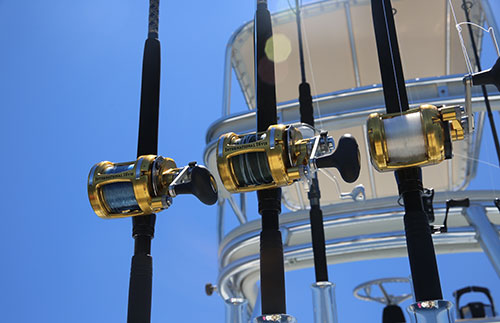
Secrets of Catching Trophy Red Drum
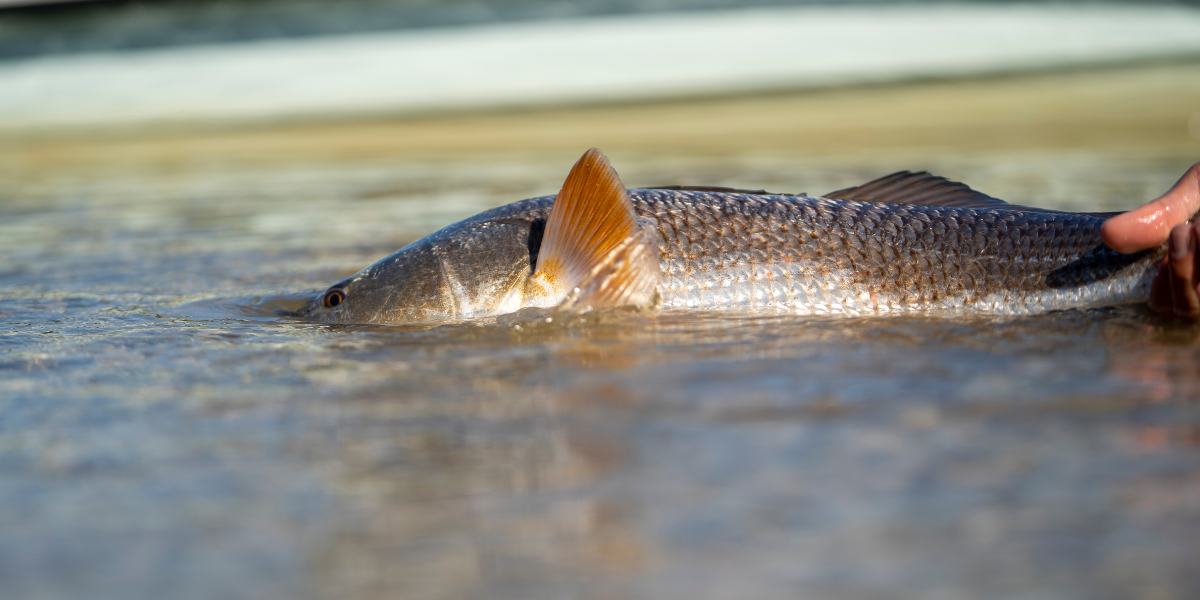
Few fish capture the imagination of saltwater anglers quite like a trophy red drum. Whether called redfish, channel bass, or old drum, these powerful fish are known for blistering runs, bulldog fights, and an uncanny ability to humble even experienced fishermen. Landing a red drum measuring over 40 inches is an accomplishment that many anglers spend years pursuing.

The first secret to consistently catching trophy red drum is understanding their seasonal movements. While smaller “puppy drum” often remain in the backwaters and marshes throughout the year, mature fish follow a different pattern. During late summer and fall, large schools migrate along beaches, around inlets, and near shoals to spawn. These are the giants that can weigh 30, 40, or even 50 pounds, offering anglers some of the best fishing of the year.
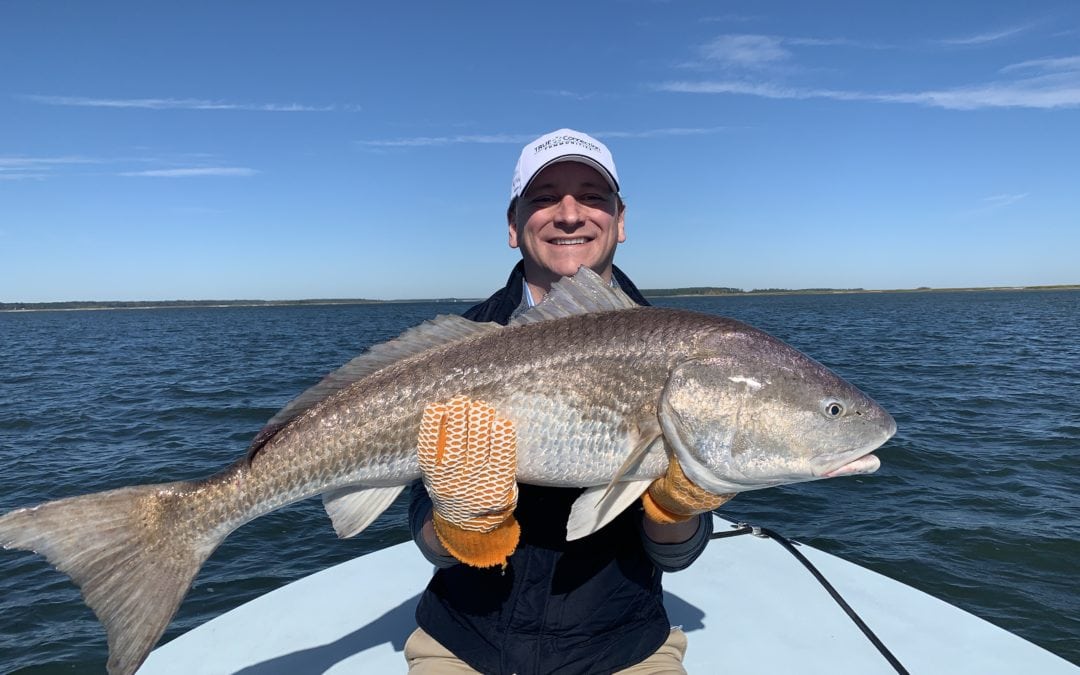
Location is everything. Trophy red drum are drawn to moving water where tides concentrate food. Inlets, deep channels, sandbars, points, and the edges of shoals are prime locations. Strong tidal currents carry mullet, menhaden, crabs, shrimp, and other forage directly to waiting fish. Learning how water moves through these areas is often more important than knowing the exact spot to anchor.
Bait selection plays a major role in success. Fresh is always best. Finger mullet, menhaden, large mud minnows, blue crabs, and cut mullet consistently produce large drum because they closely match the fish’s natural diet. Many experienced anglers prefer fishing with freshly cut bait, allowing the scent to disperse in the current and attract fish from long distances.
Timing can be just as important as bait. Many veteran fishermen plan their trips around changing tides rather than the clock. The last two hours of the incoming tide and the first two hours of the outgoing tide often produce the strongest feeding activity. Dawn, dusk, overcast skies, and the days surrounding a new or full moon frequently provide excellent opportunities as stronger tidal movements stimulate feeding.
Heavy tackle is essential when targeting giant red drum. Seven- to eight-foot medium-heavy or heavy-action rods paired with quality spinning or conventional reels loaded with 30- to 50-pound braided line provide the strength needed to handle these powerful fish. Strong leaders and sharp circle hooks help anglers land fish while reducing injury, making catch-and-release more successful.
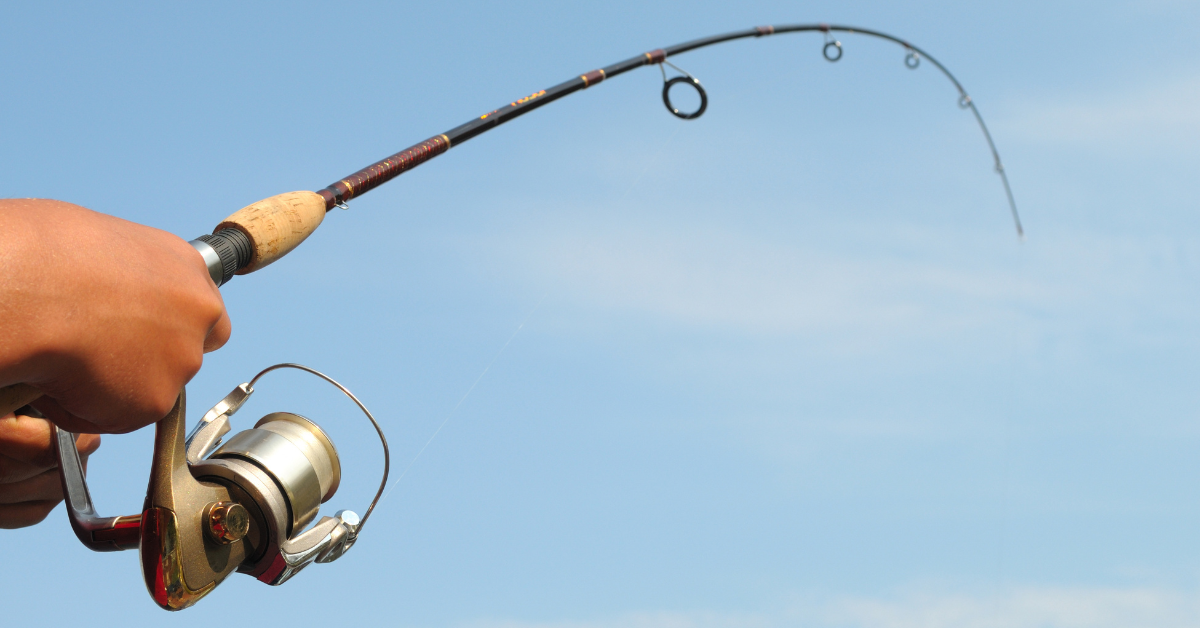
Patience separates successful trophy hunters from everyone else. Large red drum may cruise through an area only a few times during a tide cycle. Experienced anglers often remain confident, allowing fresh bait to soak while watching for subtle signs such as nervous baitfish, diving birds, or fish rolling on the surface.
Perhaps the biggest secret isn’t found in a tackle box at all—it’s respect for the resource. Most trophy red drum are older breeding fish that play a vital role in sustaining future populations. Careful handling, minimizing time out of the water, and releasing these magnificent fish in healthy condition help ensure that others will have the opportunity to experience the same unforgettable battle.
For many anglers, the memory of a trophy red drum isn’t measured by its weight or length. It’s the screaming drag, the bronze flash in the surf, and the satisfaction of matching wits with one of the most iconic gamefish in coastal waters. Those are the moments that keep fishermen returning to the water, tide after tide, in search of the next giant.

You may be interested

This Week’s Offshore Conditions Forecast
Tim Wilson - September 11, 2026The latest in offshore conditions. Click for full information. https://youtu.be/yJWJ_XJ7Aug https://youtu.be/b0SJPKj3fN8
A Carolina Coast Fishing Icon Passes….Captain Robbie Wolve
Tim Wilson - September 11, 2026The Carolina fishing community lost one of its own with the passing of longtime charter fisherman Captain Robbie Wolfe, who died peacefully at his Wilmington home on…

Catching GIANT Flounder Around Docks in NORTH CAROLINA
Tim Wilson - September 11, 2026Flounder are masters of disappearing, but Capt. Jot Owens knows exactly where to look. C.A. Richardson heads to Wrightsville Beach, North Carolina, to join renowned inshore guide…
Most from this category