What Happened to the Bait? Fishing Minds Want To Know
Ask almost any veteran saltwater angler what has changed the most over the past 30 years, and many won’t talk about boats, electronics, or fishing regulations. Instead, they’ll point to something much smaller—but far more important.
The bait.
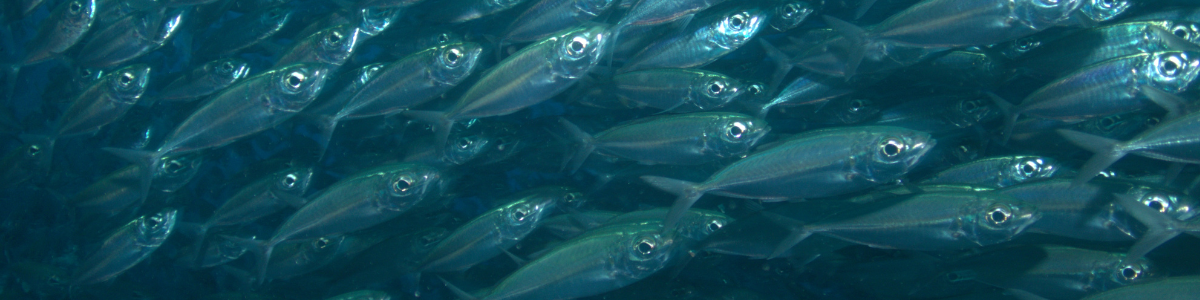
There was a time when schools of finger mullet blackened the creeks in late summer, shrimp skipped across the surface at every tide change, and menhaden stretched for acres along the beaches and inlets. It wasn’t unusual to see gamefish feeding aggressively wherever bait was abundant. Red drum pushed wakes through the shallows, speckled trout exploded beneath schools of shrimp, and Spanish mackerel slashed through pods of glass minnows just offshore.

Today, many anglers say those sights have become far less common.
While baitfish populations naturally rise and fall from year to year, many experienced fishermen believe something has changed. In some areas, bait seems less predictable, arrives later in the season, or simply isn’t present in the numbers it once was. When bait disappears, predators don’t stay long. They either move elsewhere in search of food or become much more difficult to locate.
Several factors may be contributing to these changes. Coastal development has altered many estuaries where baitfish and shrimp spend the early stages of their lives. Marsh loss, shoreline hardening, and declining water quality can reduce the healthy habitats that support juvenile bait species. Heavy rainfall one season and drought the next can dramatically change salinity levels, forcing bait to relocate.
Weather also plays a major role. Strong tropical systems can reshape inlets, alter tidal flows, and change the location of grass beds and oyster reefs that provide shelter for young baitfish. Water temperature is another critical factor. Even slight shifts can affect spawning success, migration timing, and the seasonal movements of both bait and predator species.
Commercial harvests of certain forage species, particularly Atlantic menhaden, continue to generate debate among scientists, conservationists, and fishermen. Menhaden are often called the “most important fish in the sea” because they provide food for striped bass, bluefish, king mackerel, dolphins, pelicans, ospreys, and countless other predators. Maintaining healthy forage populations remains an important part of sustaining healthy fisheries.
For recreational anglers, understanding bait has always been one of the keys to success. Rather than searching only for fish, successful fishermen first look for food. Diving birds, nervous water, flipping mullet, shrimp skipping across the surface, or schools of glass minnows often reveal more than any electronic fish finder ever could.
Protecting baitfish habitat should be a priority for everyone who values our coastal waters. Healthy marshes, oyster reefs, submerged grasses, and clean estuaries provide the nursery grounds that support entire marine ecosystems. Without abundant bait, predator populations eventually decline, affecting everything from recreational fishing to coastal tourism and local economies.
The old saying remains as true today as it ever was: Find the bait, and you’ll usually find the fish. But ensuring that future generations can still follow that advice will require more than good fishing skills. It will take wise fisheries management, habitat conservation, responsible stewardship, and a commitment to protecting the foundation of the food chain. After all, every great day on the water begins with healthy bait.
You may be interested

This Week’s Offshore Conditions Forecast
Tim Wilson - September 11, 2026The latest in offshore conditions. Click for full information. https://youtu.be/yJWJ_XJ7Aug https://youtu.be/b0SJPKj3fN8
A Carolina Coast Fishing Icon Passes….Captain Robbie Wolve
Tim Wilson - September 11, 2026The Carolina fishing community lost one of its own with the passing of longtime charter fisherman Captain Robbie Wolfe, who died peacefully at his Wilmington home on…

Catching GIANT Flounder Around Docks in NORTH CAROLINA
Tim Wilson - September 11, 2026Flounder are masters of disappearing, but Capt. Jot Owens knows exactly where to look. C.A. Richardson heads to Wrightsville Beach, North Carolina, to join renowned inshore guide…
Most from this category