The Changing Face of Inshore Fishing
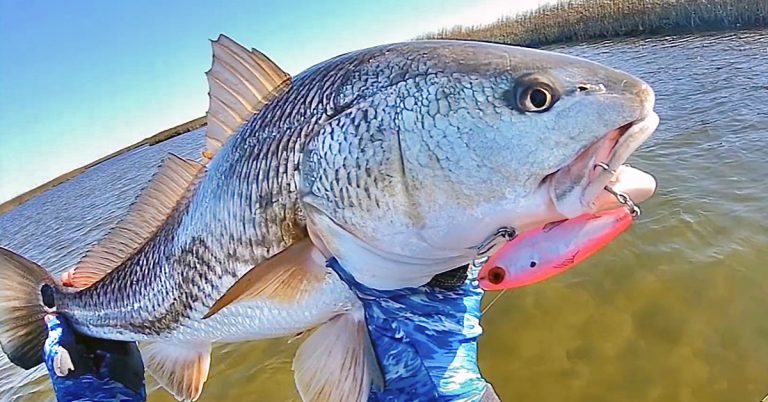
There was a time when inshore fishing meant quiet mornings, uncrowded creeks, and the anticipation of discovering a shoreline that few others had explored. Anglers relied on tide charts, local knowledge, and years of experience to consistently find red drum, speckled trout, flounder, and striped bass. While those skills remain as valuable as ever, the world of inshore fishing has changed dramatically over the past two decades.
Perhaps the biggest change is the number of people enjoying the sport. Advances in shallow-water boats, kayaks, and affordable fishing equipment have made inshore fishing more accessible than ever before. Add the influence of social media and fishing videos, and it’s easy to see why once-hidden fishing spots now attract dozens of boats on any given weekend.
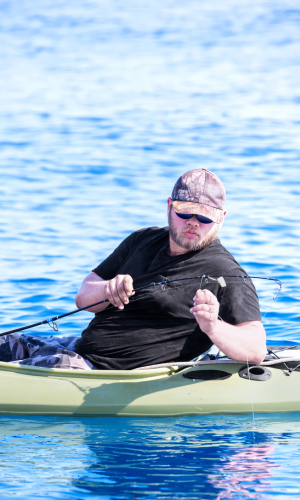
Technology has also transformed the sport. Today’s anglers have access to high-definition sonar, GPS mapping, live imaging, trolling motors with GPS anchoring, and smartphone apps that provide tide, weather, and navigation information with remarkable accuracy. These tools help anglers spend less time searching and more time fishing, but they have also leveled the playing field. Knowledge that once took years to acquire can now be found with a few taps on a screen.
The fish have responded as well.
In heavily pressured waters, red drum, speckled trout, and other popular gamefish often become more cautious. They are exposed to more boats, more lures, and more fishing pressure than ever before. Successful anglers are discovering that stealth has become just as important as choosing the right lure. Quiet approaches, longer casts, and paying close attention to tides and water clarity often make the difference between a productive day and one filled with frustration.
Environmental changes are also reshaping inshore fisheries. Coastal development, stronger storms, changing salinity levels, and declining water quality have altered many estuaries that once provided ideal habitat for baitfish and juvenile gamefish. Healthy marshes, oyster reefs, and seagrass beds remain essential nurseries for countless marine species, making habitat conservation more important than ever.
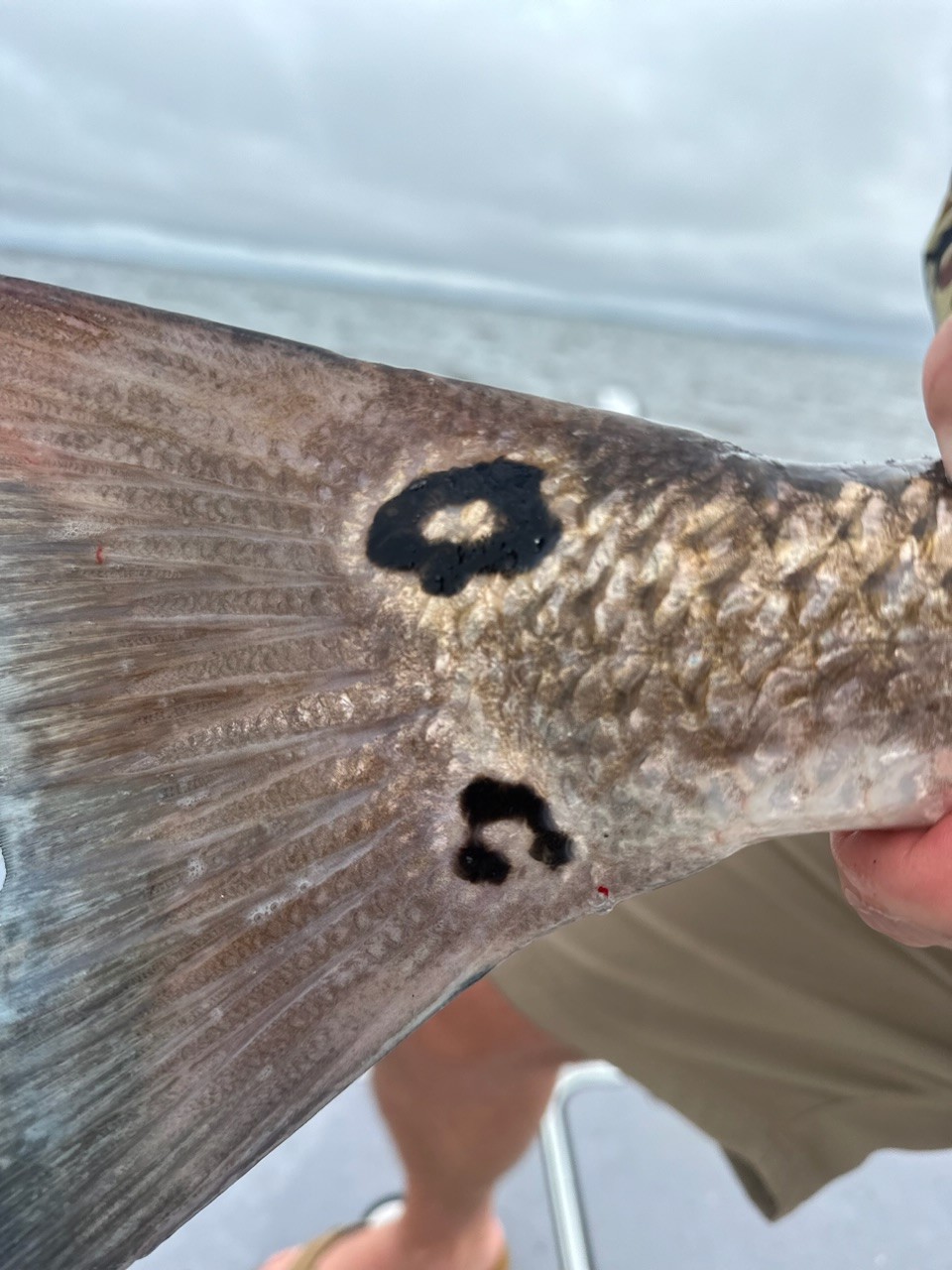 Despite these challenges, there are reasons for optimism. Fisheries managers continue to refine regulations aimed at protecting valuable species, while conservation organizations, volunteers, and coastal communities are restoring oyster reefs, improving public access, and promoting responsible stewardship of our coastal waters. Many anglers are embracing catch-and-release practices, using circle hooks where appropriate, and recognizing that today’s conservation efforts help ensure tomorrow’s fishing opportunities.
Perhaps the greatest change has been in the anglers themselves. Success is no longer measured solely by the number of fish brought home. More fishermen appreciate the beauty of a sunrise over the marsh, the excitement of watching a school of red drum push across a flooded flat, or introducing a child to their first fish. Those moments often become the memories that last a lifetime.
Inshore fishing will undoubtedly continue to evolve as technology advances and our coastal waters change. Yet the heart of the sport remains unchanged. It is still about reading the tides, respecting the resource, and embracing the challenge that every new day on the water brings. As long as anglers continue to value both the experience and the responsibility that comes with it, the future of inshore fishing remains bright.
You may be interested

This Week’s Offshore Conditions Forecast
Tim Wilson - September 11, 2026The latest in offshore conditions. Click for full information. https://youtu.be/yJWJ_XJ7Aug https://youtu.be/b0SJPKj3fN8
A Carolina Coast Fishing Icon Passes….Captain Robbie Wolve
Tim Wilson - September 11, 2026The Carolina fishing community lost one of its own with the passing of longtime charter fisherman Captain Robbie Wolfe, who died peacefully at his Wilmington home on…

Catching GIANT Flounder Around Docks in NORTH CAROLINA
Tim Wilson - September 11, 2026Flounder are masters of disappearing, but Capt. Jot Owens knows exactly where to look. C.A. Richardson heads to Wrightsville Beach, North Carolina, to join renowned inshore guide…
Most from this category