Setting the Hook: Keeping the Fish Connected
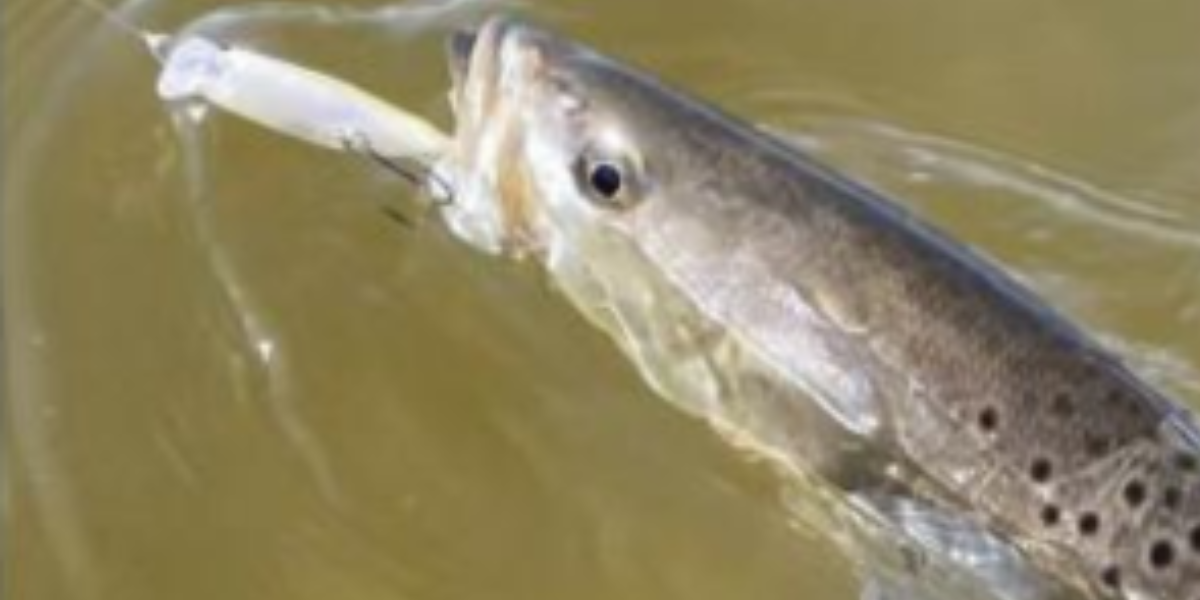
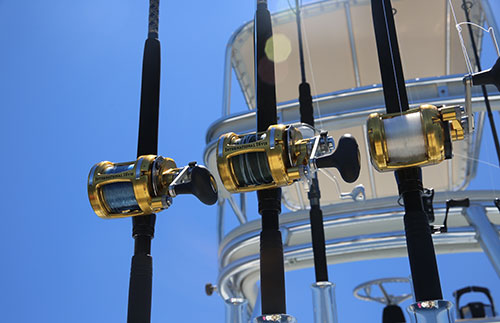
Do fishing tactics change between inshore and offshore fishing? They certainly can, but when it comes to the actual hook-up, the fundamentals remain much the same. Once you get a bite, one of the hardest things to remember is to stay focused on keeping the line tight while working the rod with controlled, steady pressure. A quick, violent jerk can break the line, while allowing the line to go slack gives the fish an opportunity to spit the hook. Your rod and line should be matched to the species you’re targeting and the conditions you’re fishing in. If you like to set the hook hard, monofilament paired with a softer rod can help absorb some of that sudden force. If you’re more experienced, a stiffer rod combined with braided line gives you greater sensitivity and control, but you also have to remember that braid has very little stretch. With braid, an overly aggressive hook-set combined with a drag that’s set too tight can break the line before you ever get the fish under control.

To feel the bite, keep the rod tip up and the line tight. When the fish hits, lower the rod tip toward the water and start reeling, taking up any slack before setting the hook. Slack is the enemy of any fisherman, and it’s a hard lesson to learn because your first reaction when a big fish hits is often to jerk the rod and try to overpower it. Eventually, however, you learn the discipline required to do neither. You don’t want to horse the fish, but you also don’t want to give it enough slack to turn and throw the hook.
When I feel like a fish has committed to the hook, I like to turn the rod and my body firmly to the side, keeping constant pressure on the fish and making sure the line stays tight. I still give the fish a solid hook-set, but at the same time I’m constantly reeling. That combination of pressure and steady reeling is important because the goal isn’t simply to drive the hook into the fish; it’s to keep enough pressure on the line throughout the fight that the fish never gets the opportunity to work the hook loose.
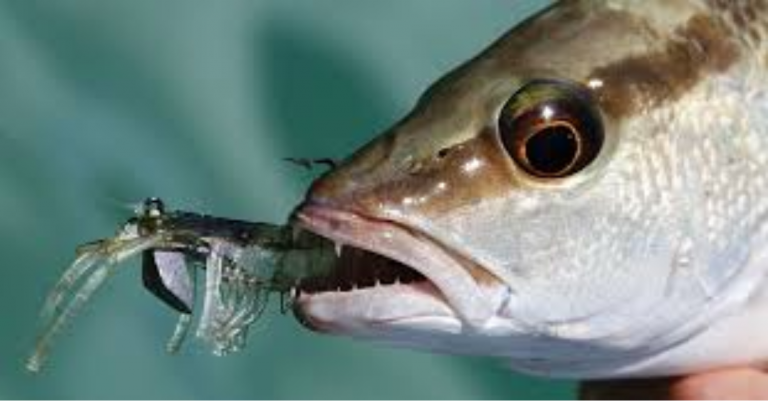
The amount of hook-set you need also depends on the line you’re using and how you’re presenting the lure. Because monofilament has considerably more stretch than braided line, it generally requires a more aggressive hook-set, particularly when casting lures. Braid transfers much more of the movement of the rod directly to the hook, so you don’t need to put nearly as much force into the hook-set. You also need to consider the speed of your lure presentation. The faster you’re retrieving a lure, the less additional hook-setting force may be needed because the fish is already moving toward the hook at a good rate of speed. With a slower presentation, you have more work to do because the lure isn’t moving quickly enough to help drive the hook home, so you need to react quickly and apply enough pressure to make sure the hook finds its mark.
Bottom-bouncing lures for species such as flounder creates another situation where timing becomes especially important. When you’re working a bucktail or jig along the bottom, a fish will often strike as the lure drops, which means you have to be ready to react immediately. When you see the cork disappear or feel the strike, pick up the speed, take up the slack and set the hook firmly enough to keep the fish connected. The fish has already committed, and now it’s your job to keep him hooked and get him to the boat.
These are tactics that take practice, and the more attention you pay to what you’re doing, the faster you’ll learn what works and what doesn’t. Pay attention to how you react when a fish hits, recognize the mistakes you make when one gets away and make the adjustment on the next cast. Fishing is a constant process of learning, and sometimes losing a good fish teaches you more than landing one. Eventually, you’ll develop the discipline to keep the line tight, control the pressure and make the right hook-set without thinking about every movement. When that happens, you’ll see your number of successful hook-ups increase significantly—and you’ll watch far fewer good fish swim away.

You may be interested

Berr Side Kicks…..Homemade Beer Brat Bites
Tim Wilson - October 16, 2026
When the Deer Woods Change
Tim Wilson - October 16, 2026The deer woods you hunted in early October may look familiar when November arrives, but the reasons deer use them can change considerably. Across North Carolina, South…
Greatest Of The Grill…..Grilled Coca-Cola Chicken
Tim Wilson - October 16, 2026Everything is better with a Coke… including chicken. Tangy, sweet, and savory, this grilled Coca-Cola chicken will hit every one of your taste buds. If you’re searching…
Most from this category