History Behind The Carolina Creeks
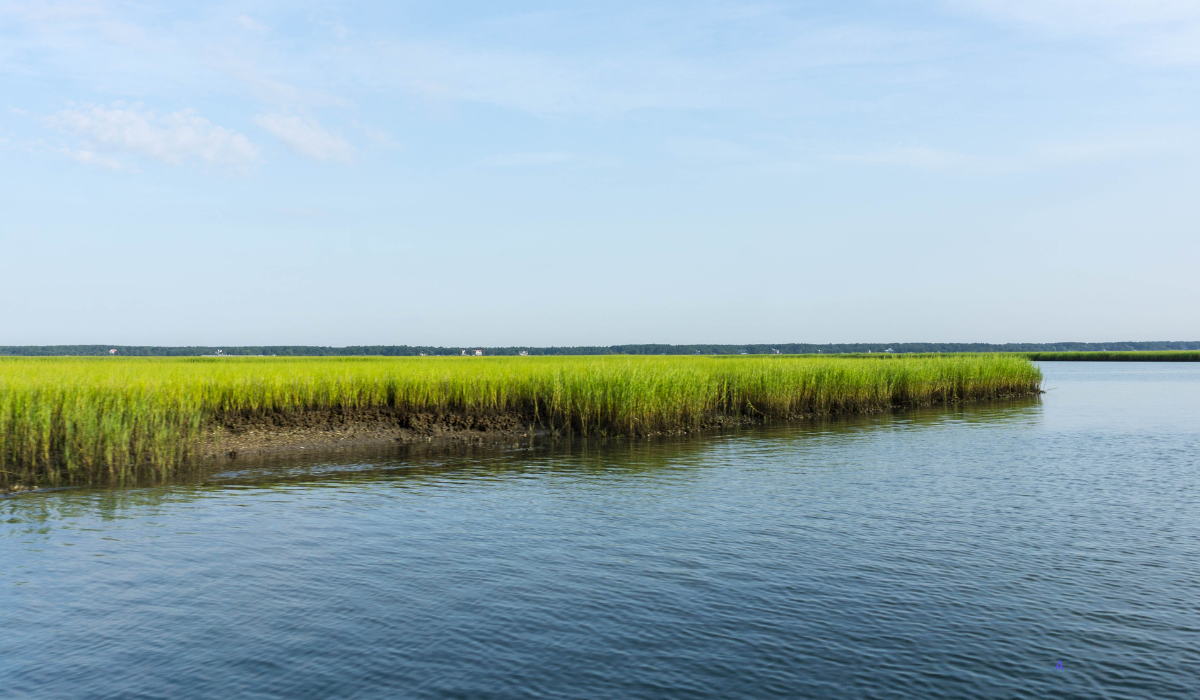
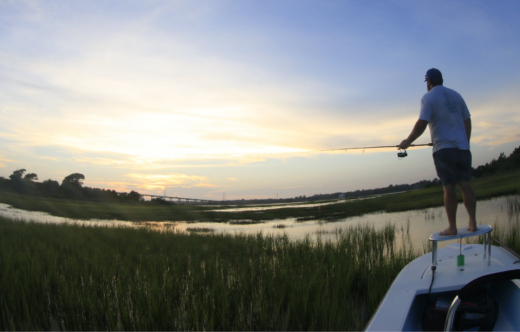
A Carolina creek can look like nothing more than a quiet place to fish. A bend in the marsh, an oyster bank exposed by falling water, or a narrow opening beneath overhanging trees might be enough to draw an angler’s attention. Yet these waterways belong to a much older story. Long before boat ramps, waterfront homes, and outboard motors, coastal waters helped determine where people lived, how they traveled, and what they ate.

For Indigenous communities, the coast provided food through generations of accumulated knowledge. Archaeological shell deposits offer evidence of that relationship. At North Carolina’s Cape Creek site on Hatteras Island, deposits composed largely of oyster shells record the use of local shellfish. Other sites along the Pamlico River contain clam and mussel shells. These remains connect today’s familiar shoreline with people who depended on its resources centuries before European settlement.
As European settlement spread, waterways became part of a growing agricultural landscape. Along South Carolina’s Stono River, the combination of low ground, marshes, and tidal creeks helped support rice cultivation. Docks and landings connected plantations with the water, making them working parts of the countryside. A creek that now attracts a fisherman or kayaker could once have bordered fields and carried boats serving a plantation economy.
Rice cultivation changed portions of that landscape profoundly. Beginning in the eighteenth century, South Carolina planters expanded the use of tides to irrigate rice fields. Enslaved workers performed the immense labor required to construct and maintain embankments, canals, and water-control structures. This system depended on suitable freshwater tidal conditions, rather than the salty water found throughout much of the coastal marsh. Understanding that distinction helps explain why rice fields developed in some places and not others.
The people behind that work deserve as much attention as the fields themselves. Gullah Geechee communities descend from West and Central Africans enslaved along the southeastern coast, including the Carolinas. Their history extends beyond agriculture into maritime knowledge and community life. National Park Service accounts describe Gullah mariners traveling South Carolina’s rivers and creeks, carrying goods and information. These waterways were routes through a lived landscape, connecting people whose experiences are essential to understanding coastal history.

That agricultural history also reaches into southeastern North Carolina. Rice plantations operated along the lower Cape Fear River, linking the Wilmington area with the broader coastal story. The connection is easy to overlook when we picture rice country as exclusively South Carolinian. Looking across state lines reveals a coastline whose communities shared relationships with water, labor, and the land around them.
For today’s angler, learning this history adds another reason to pay attention. The creek remains a place to watch bait, study current, and search for fish, but it also invites questions about the people who came before. On your next trip, look beyond the next cast for a moment. A quiet stretch of Carolina water may hold a human story far deeper than its channel.

You may be interested

The Hottest Fall Lures For 2026 Fall Saltwater Fishing
Tim Wilson - September 30, 2026Fall brings some of the most exciting inshore fishing of the year along the Carolina coast. Schools of mullet, shrimp, and other forage give redfish and speckled…
Schooling Stripers and Hybrids….It’s That Time Of Year
Tim Wilson - September 30, 2026Spring receives most of the attention from Carolina crappie fishermen, but September begins another transition that can produce excellent fishing. As nights lengthen and water temperatures gradually…
Cool Nights, Changing Lake Fishing
Tim Wilson - September 30, 2026September afternoons can still feel like midsummer throughout the Carolinas. Heat and humidity remain common, and surface water temperatures may stay high. The more important change is…
Most from this category