The Edge…..Where Carolina Offshore Fishing Comes Alive

Offshore fishermen often talk about finding the fish, but successful offshore fishing is usually about finding something else first. It might be a temperature break, a weed line, a change in water color, a hard current edge or a piece of bottom structure. Find the right combination, and what appeared to be an empty stretch of Atlantic can suddenly come alive.
Along the Carolina coast, offshore waters are constantly changing. The Gulf Stream and its associated currents push warm blue water along the continental shelf, while cooler coastal water moves and mixes closer to shore. Where those different bodies of water meet, conditions can develop that concentrate bait and attract predators.
For those new to the area, one of the most important things to understand about Carolina offshore fishing is that finding productive water can be just as important as choosing the right bait. The ocean 40 or 50 miles offshore is not one uniform body of water. Currents move, temperatures change and boundaries form between different water masses. Experienced Carolina fishermen learn to recognize those changes and understand that a difference that may appear insignificant can sometimes be exactly where the bait and predators concentrate.
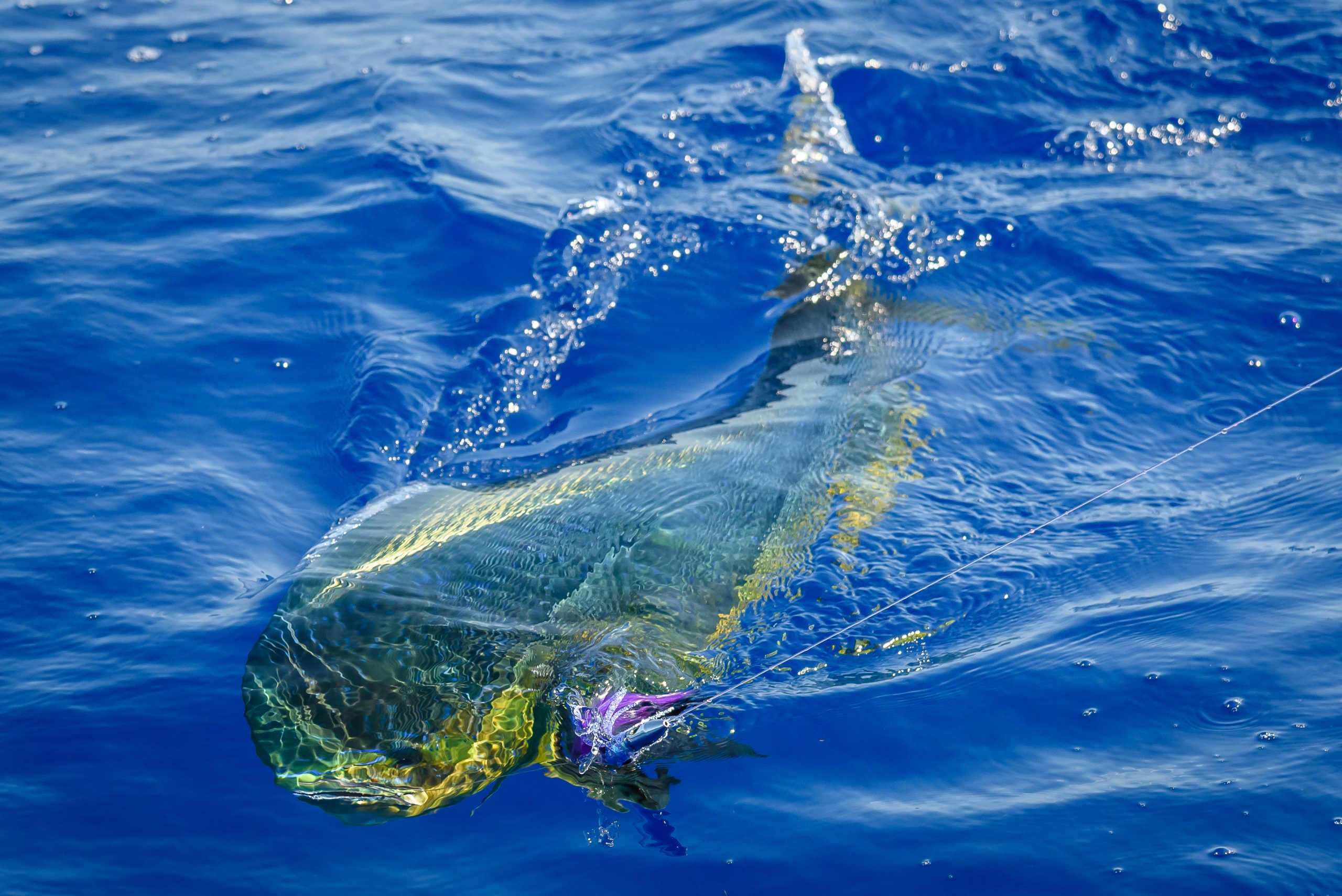
A temperature change doesn’t have to be dramatic. Even a relatively small break can establish an edge that baitfish follow. Add scattered Sargassum, flying fish or other visible signs of life and that edge becomes increasingly interesting. Mahi are famous for gathering around floating structure, but wahoo, tuna and billfish can also take advantage of concentrations of bait associated with these offshore boundaries.
Water color can provide another clue. Carolina fishermen running offshore often watch for the transition from greener coastal water to cleaner blue water. The important area isn’t always the prettiest blue water itself. Sometimes the action is concentrated right along the change where two different water masses meet.
Weed lines make these boundaries easier to see. When current pushes Sargassum and other floating material into a defined line, it creates both cover and habitat. Small marine life gathers around it. Baitfish follow, and eventually larger predators arrive.
But looking at the surface tells only part of the story.
Bottom structure can make an otherwise good edge considerably better. Ledges, drop-offs, wrecks and changes in depth can influence currents and provide habitat for bait. When favorable water conditions overlap productive structure, fishermen have found something worth spending time on.
Modern electronics have changed how offshore fishermen locate these areas. Satellite imagery can provide information about sea-surface temperatures and water conditions before the boat ever leaves the dock. Once offshore, chartplotters, sonar and radar provide additional pieces of the puzzle. Still, technology doesn’t replace what fishermen can see.

Birds working over the water deserve attention. Flying fish suddenly scattering across the surface deserve attention. A piece of floating debris surrounded by bait deserves attention. Even a single weed line running in a different direction from everything around it can be worth investigating.
The mistake is assuming that because the ocean looks the same, it is the same. It isn’t.
Offshore water is constantly moving. Yesterday’s productive temperature break may have shifted miles overnight. A weed line can scatter. Clean water can push farther inshore or retreat offshore. Successful fishermen adjust rather than simply returning to yesterday’s coordinates.
That is why offshore fishing can sometimes seem almost unfair. Two boats can leave the same inlet, travel roughly the same distance and fish only a few miles apart. One returns with a box full of fish while the other struggles all day.
The difference may not have been the bait, the boat or even the fishermen.
One of them found the edge.

You may be interested
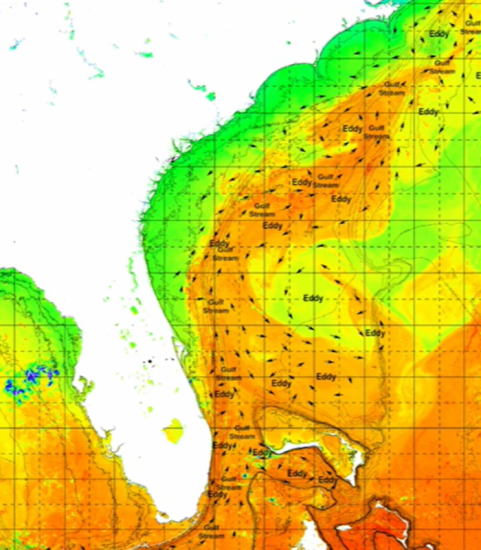
Offshore Ocean Conditions
Tim Wilson - October 23, 2026Don’t take a chance when it comes to knowing what the fishing condtions are and where thoe great sports are. ROFFS will remove the guesswork and put…
Catching Crappies on Kerr Lake……With Carolina All Out
Tim Wilson - October 22, 2026CAO Pro Staffer Scooter Lilley heads to Kerr Lake to fish for big slabs with Kerr Lake Crappie and Cats Guide Service owner Captain Chris Bullock. Enjoy…
The Final Chapter…… Protecting the North Carolina Estuaries and It’s People
Tim Wilson - October 22, 2026My family’s history goes back to the beginning of the state of North Carolina. We have founded towns within the state, fought in its wars, and played…
Most from this category
One Fish, Four States: How North Carolina’s Flounder Compare to Its Neighbors
Tim Wilson - October 22, 2026