Finding Carolina Bass in 10 Minutes
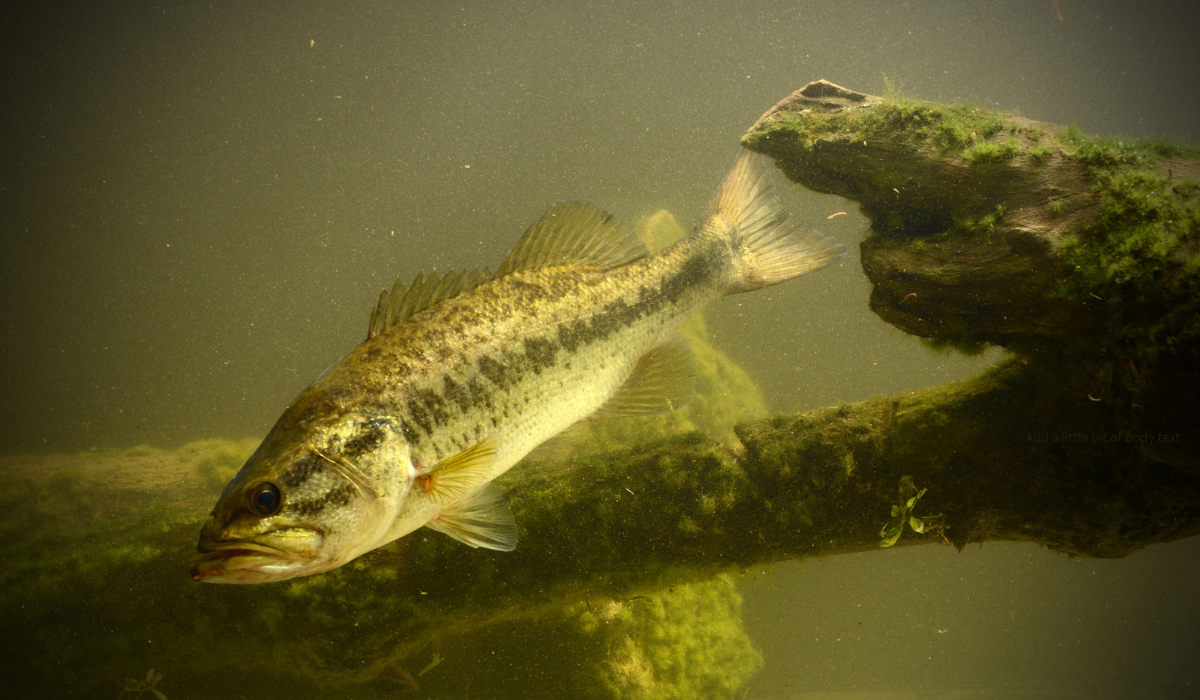
The sun is barely over the pines when the boat slides off the ramp, and the lake lies there like a sheet of gray glass. A big lake can look like a lot of nothing. But the guides who fill their livewells before the coffee goes cold will tell you the same thing: bass are not hiding. They are exactly where the food, the cover, and the comfort come together. Your job is to find those places fast.

Start by doing nothing. Idle out slowly with your hands off the rods and your eyes open. Glance at the water temperature on your electronics, note which way the wind is blowing, and watch the surface for nervous shad. A bank that is taking the wind often holds bass, because moving water pushes bait against the shoreline and the fish follow it in. That first minute or two is about gathering clues, not making casts.
Next, look for the odd man out. Carolina lakes and rivers are full of cover, from boat docks and laydowns to stumps, grass, and rock piles, but one piece usually stands apart. A lone dock on an otherwise bare bank is a good example. Bass use a spot like that as an ambush point, and a handful of casts will tell you whether anyone is home.
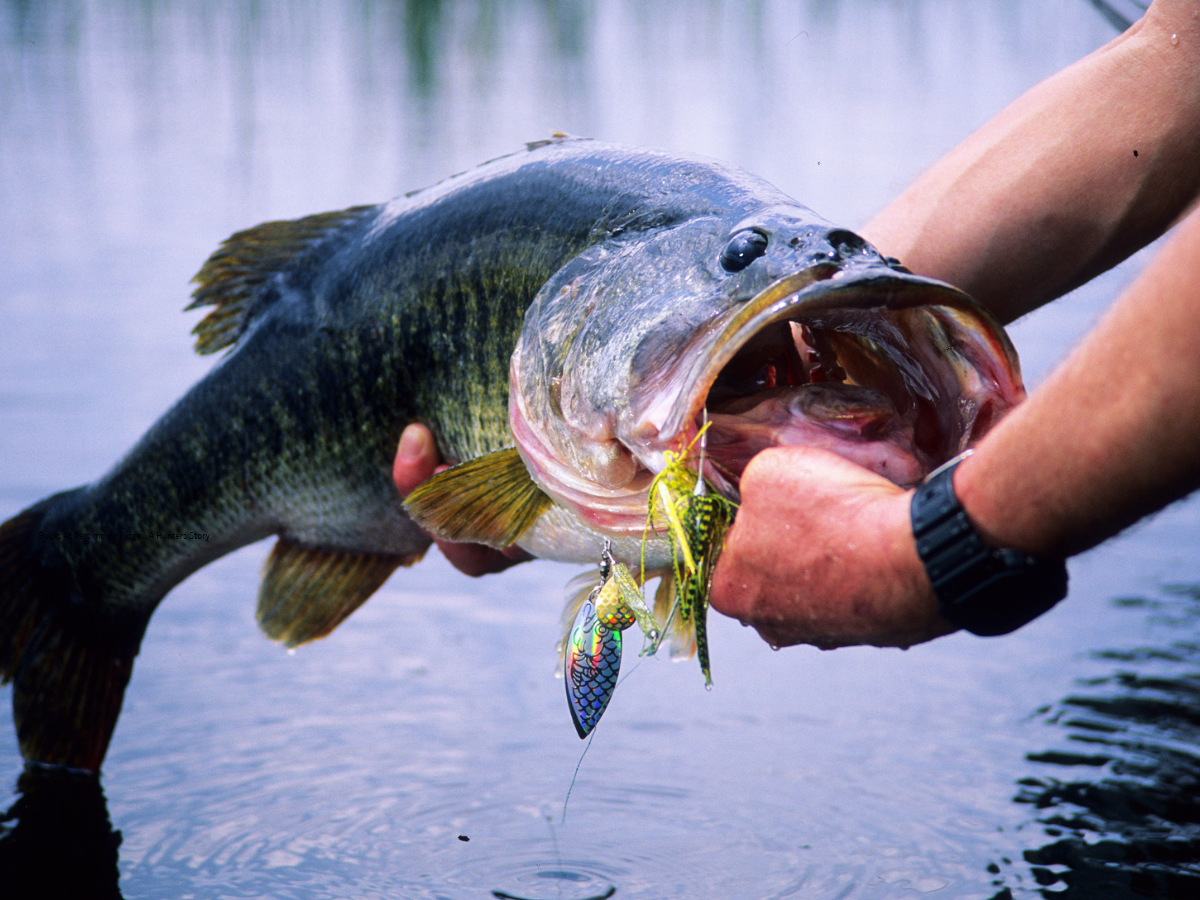
Then look for change. Bass love transitions: a creek channel swinging near the bank, a point, the mouth of a pocket, or the spot where hard bottom gives way to mud. Depth, current, and food meet in those places, so fish both sides before moving along.
Choose a lure that lets you cover water. A spinnerbait or squarebill crankbait works through most of the day, and a topwater earns its keep at dawn and dusk. Let the bait guide your colors. Silver and white match shad, while green pumpkin and brown suit bream and crawfish around the cover. Moving baits help you learn where the active fish are.
A follow, a short strike, or a single fish in the boat is the clue you came for. Stop and slow down. Pick up a jig or a soft plastic worm and work that spot thoroughly, because bass rarely live alone. Where there is one, there are usually more.
By the tenth minute, you should be ready to make the call. If three or four promising spots have not produced so much as a bump, move on. Ten minutes of honest effort will tell you whether a stretch is holding fish, and an hour spent on empty water is an hour you never get back.
None of this changes from place to place. It works on the red clay reservoirs of the Piedmont and on the tannin-stained rivers and cypress-lined creeks of the coastal plain. Find the cover, find the change, match the bait, and believe what the fish tell you. Give those first ten minutes your full attention, and the rest of the day takes care of itself.
You may be interested
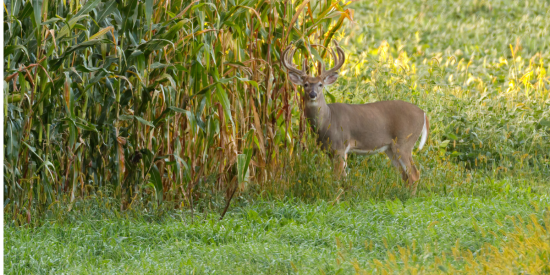
Bucks At Persimmon Ridge….A Hunters Story
Tim Wilson - November 16, 2026My thermos has been dead since Tuesday and I drank from it anyway. Lukewarm coffee, three in the morning, a gravel pull-off [name your county or town].…
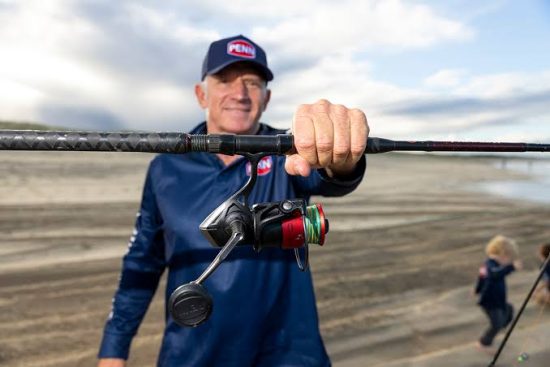
A Look At…….PENN Fierce V Reel
Tim Wilson - November 15, 2026I’ve spent most of my life on salt water, and I’ve learned that every boat needs a reel you can hand to a friend without a speech.…
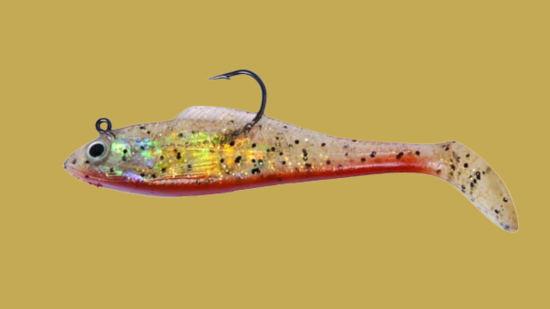
Fishing Tackle That’s Home To Carolinas
Tim Wilson - November 8, 2026Open a saltwater and freshwater tackle box in the Carolinas and there is a good chance some of its contents have local connections. North Carolina and South…
Most from this category