Finding Winter Bluefin off Hatteras
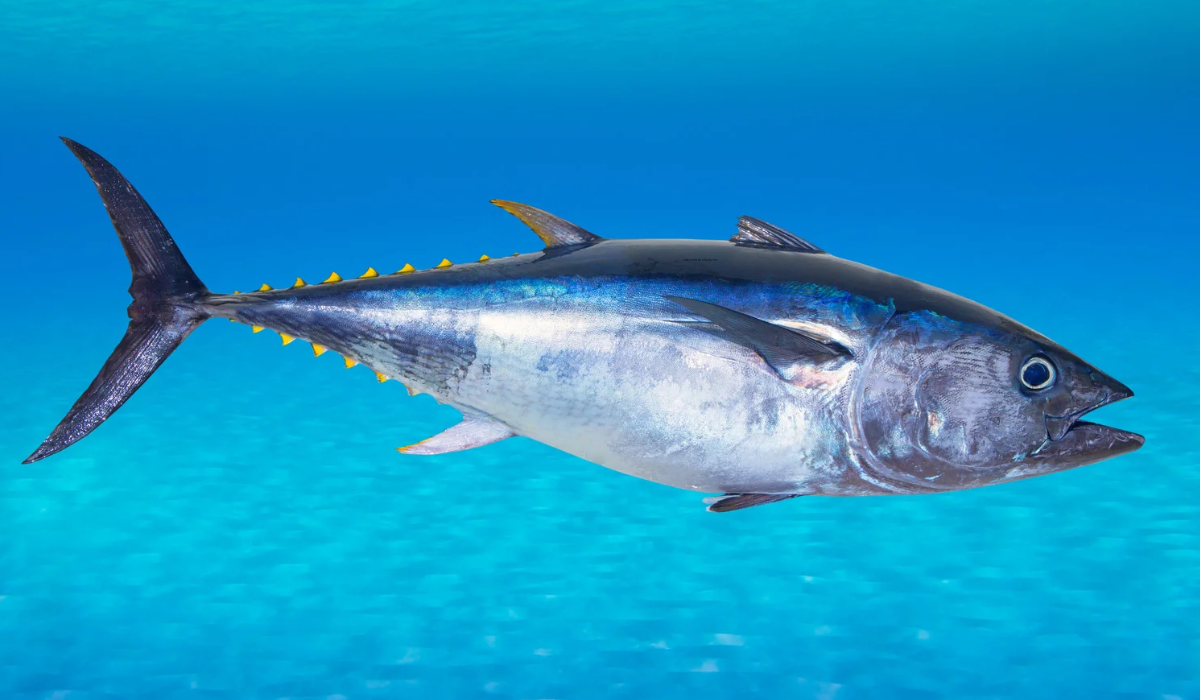
While the northeast wind rattles the dune grass and most of the East Coast has put its boats up on stands, a hardy fleet slips out of the Outer Banks inlets in the dark. They are after giant bluefin tuna, and in winter this stretch of coast is one of the few places in the country where those fish are within reach of a day trip.
Where the fleet looks
Start with the geography. Off Cape Hatteras, the continental shelf swings close to shore, and the warm Gulf Stream meets cold coastal water. That collision builds edges, rips, and color changes that concentrate bait, and the bluefin follow the bait. The fleet works those edges, and the fleet is also your best clue. Listen to the radio, watch where boats gather, and note where the trolling spreads are being pulled. Run times change with the season and the fish, so stay flexible and let the day’s reports guide you.

How water temperature sets it up
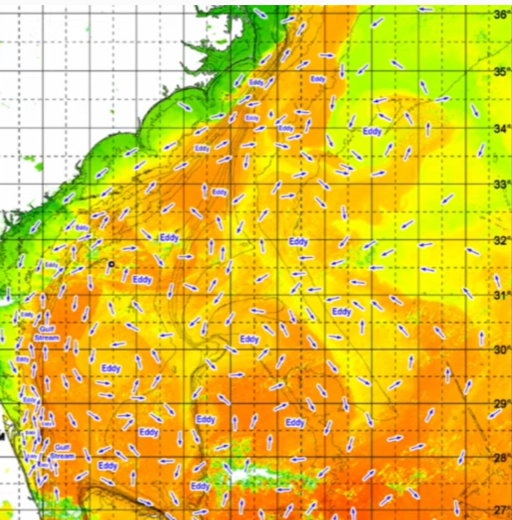
Winter bluefin often hold in cooler water than offshore anglers expect, commonly in the low to mid 60s and sometimes colder. A sharp break of even a degree or two is worth your attention. Study sea-surface temperature charts before you leave the dock, then confirm what they show with the gauge on your boat. When you cross a break, slow down and look at the water. Weed lines, current seams, and changes in color are all signs that something is happening below.
How bait ties it together
Temperature gets you to the neighborhood, but bait gets you to the right door. Watch for diving birds, which often reveal feeding fish long before you see any on the meter. Gannets folding their wings and plunging into the sea are a classic winter sign. Then check your electronics for balls of baitfish, such as menhaden and herring, holding near a break. If the bait is there and the temperature is right, you are fishing the right water.
 What to have aboard
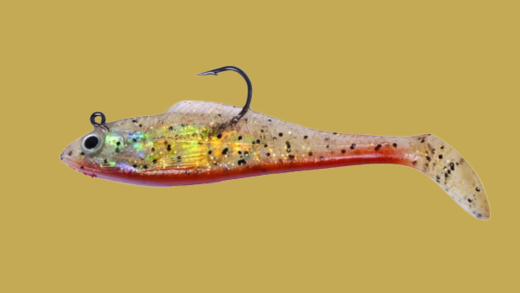
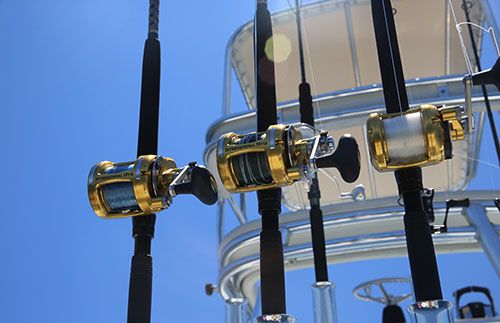
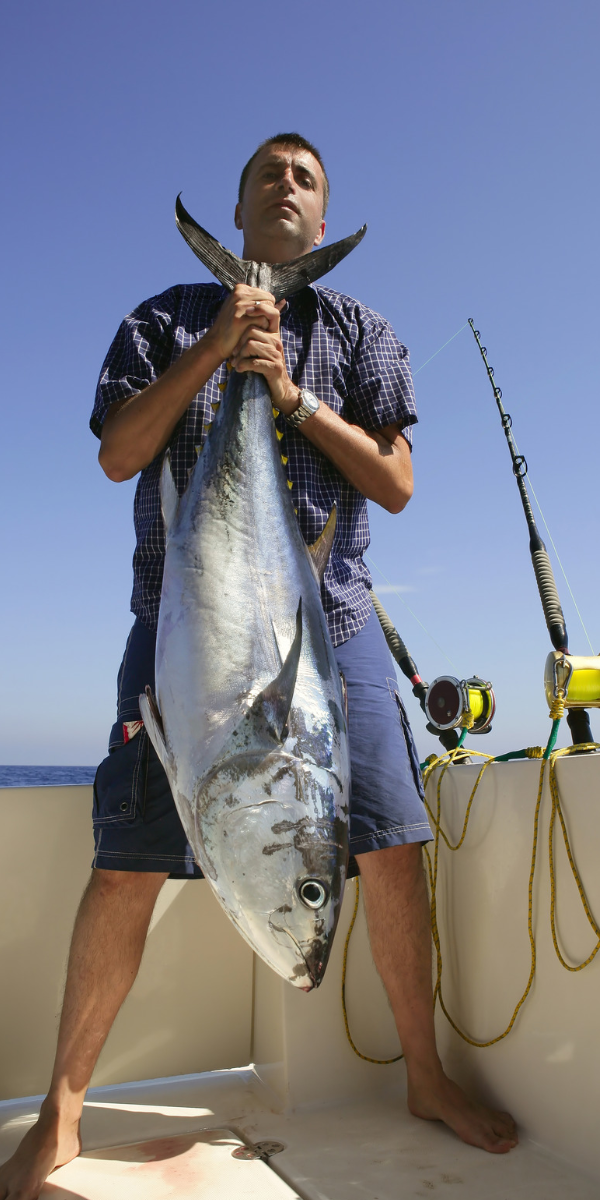
Bring heavy tackle in the 80- to 130-pound class, fresh leader, and plenty of spare terminal gear. A fighting chair or stand-up harness will save your back, and you will need strong gaffs or a tag stick, depending on the fish and the rules. Rig a variety of presentations: a trolling spread of spreader bars and daisy chains, plus cut bait or live bait for when you find fish holding. Keep a topwater popper handy for fish feeding on the surface.
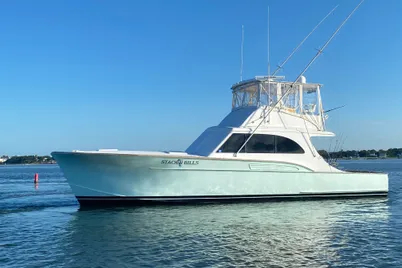
Safety matters even more than tackle. Winter water is unforgiving, so carry an EPIRB, a working VHF, immersion suits or at least good flotation, and leave a float plan with someone ashore. A bluefin that fights for hours can leave a crew tired and far from home, so budget your time and your fuel.

You may be interested
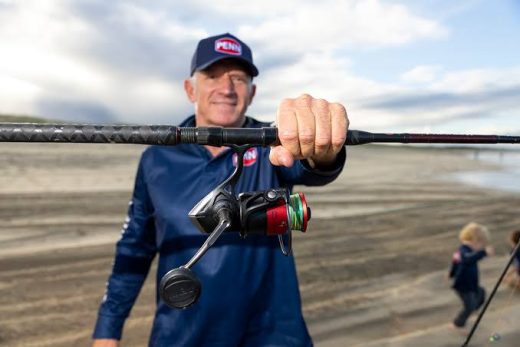
PENN Fierce V: A Reel for the Rod Holder
Tim Wilson - November 17, 2026I’ve spent most of my life on salt water, and I’ve learned that every boat needs a reel you can hand to a friend without a speech.…
Finding Carolina Bass in 10 Minutes
Tim Wilson - November 17, 2026The sun is barely over the pines when the boat slides off the ramp, and the lake lies there like a sheet of gray glass. A big…
Bucks At Persimmon Ridge….A Hunters Story
Tim Wilson - November 16, 2026My thermos has been dead since Tuesday and I drank from it anyway. Lukewarm coffee, three in the morning, a gravel pull-off [name your county or town].…
Most from this category