The Art of Fishing the Jetties
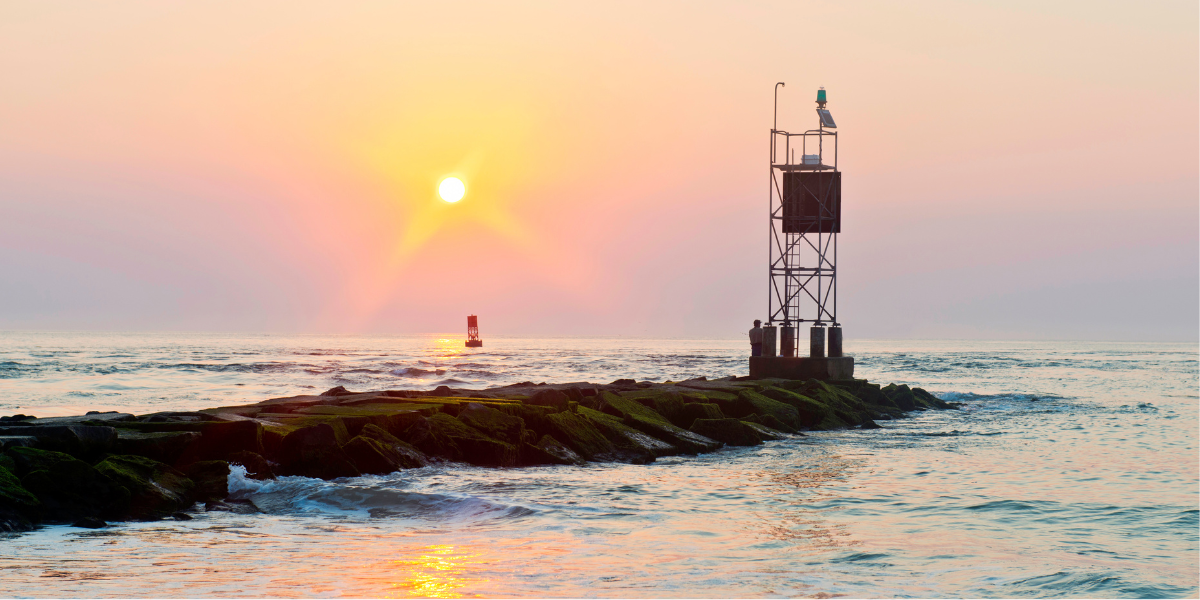
Jetties play a significant role in both boating and fishing, not to mention the reduction of erosion along the coast. They also serve to protect the inlets by making sure that boats entering the inlet have adequate water depth. Jetties also reduce the wind therefore making the seas less disturbed and safer to navigate.
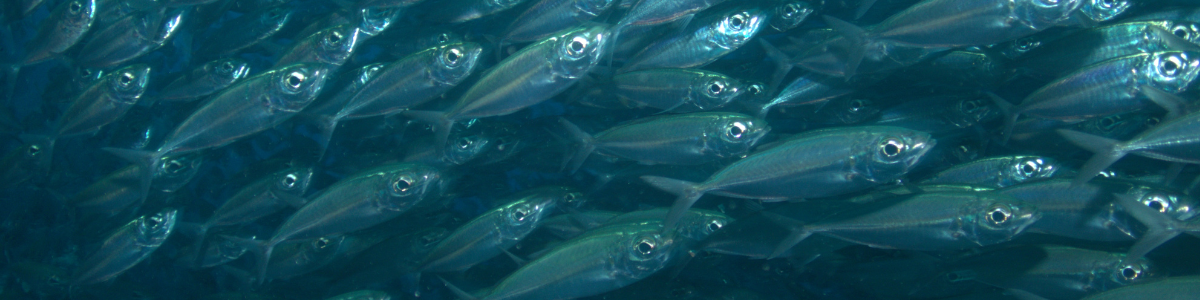
Jetties can also be a great spot for fishing. You can always bet the moving water with nearby structures means baitfish and therefore larger fish like Redfish, Speckled Trout, and Flounder. Baitfish often use a structure for protection from feeding fish and the food sources that it also can provide for them.
The trick is to know the factors that make jetties your fishing successful, such as the current, the types of bait, and when they migrate, as well as the species of fish that drive them to feed there. Depending on which side of the jetty you will be fishing also influences the conditions and how you fish in the area. While fishing on the outside of the wall, it’s important to remember the inside of the jetty is where the stronger current will be, and therefore the more bait movement and targeted species are feeding. The wind will also play a role in determining the best side for the moving bait and ultimately the best location for fishing.
Unless you get in close to the structure, you likely won’t be very successful. Get in close, but not too close. A passing wake or slipping anchor can put you on the rocks before you know it. It’s also a good idea to carry a spare anchor in the event your primary one gets hung on the rocks and you’re forced to cut the line. This is an event that happens often and can end a great day of fishing before you want it to.
Try to cast onto the rocks near the water’s surface or structure and quickly jerk it off into the water. This will limit the danger of getting hung on the rocks while getting your lure right on the fish you’re looking for. Be ready for a sudden strike. The bigger fish are looking for bigger targets and they don’t want their buddies to strike first.
The first time you fish the jetty may end up being a slow day, however, keep changing tactics, and be aware of the tide location where they bite the best. Also, know the type of baitfish that frequent the area you are fishing for as well as the species that frequent that location, then rig up accordingly. Again, there are lots of factors to consider and all of them play an important role in your success.
Also, be alert. The jetties can be dangerous, and things can happen quickly. Keep alert and fish hard.

You may be interested
Offshore Ocean Conditions
Tim Wilson - October 23, 2026Don’t take a chance when it comes to knowing what the fishing condtions are and where thoe great sports are. ROFFS will remove the guesswork and put…
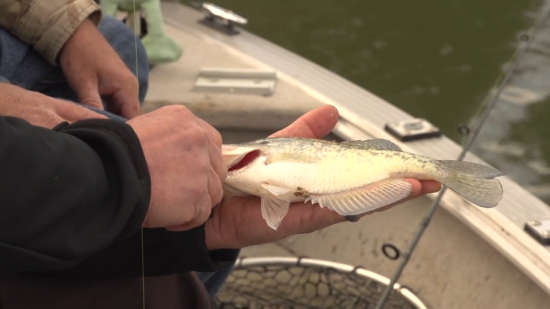
Catching Crappies on Kerr Lake……With Carolina All Out
Tim Wilson - October 22, 2026CAO Pro Staffer Scooter Lilley heads to Kerr Lake to fish for big slabs with Kerr Lake Crappie and Cats Guide Service owner Captain Chris Bullock. Enjoy…
The Final Chapter…… Protecting the North Carolina Estuaries and It’s People
Tim Wilson - October 22, 2026My family’s history goes back to the beginning of the state of North Carolina. We have founded towns within the state, fought in its wars, and played…
Most from this category
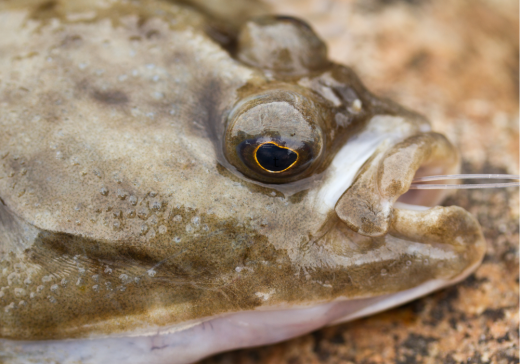
One Fish, Four States: How North Carolina’s Flounder Compare to Its Neighbors
Tim Wilson - October 22, 2026