Prepping For Carolina Fall Inshore Fishing
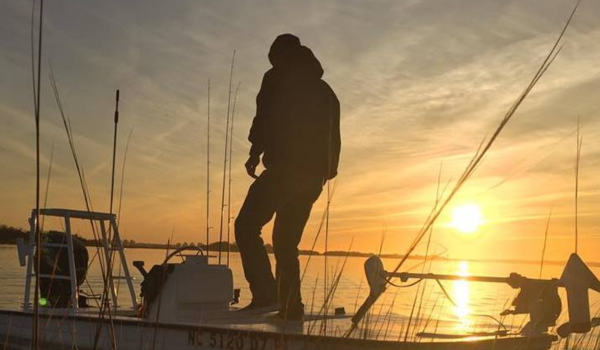
Fall changes everything on the Carolina coast, and if you fish it the same way you fished August, you’ll go home skunked more nights than not.
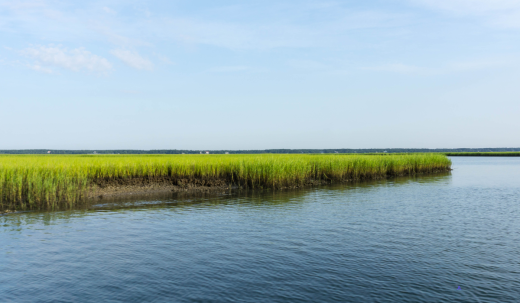
The water starts giving up its heat in September, and by October you can feel the shift baking into every tide. Bait pushes shallow, seeking that last warmth in the marsh creeks and inlet shallows, and the predators that spent summer scattered offshore start funneling in behind them. Bait moves, gamefish follow, and your job is to find the bait before anything else.
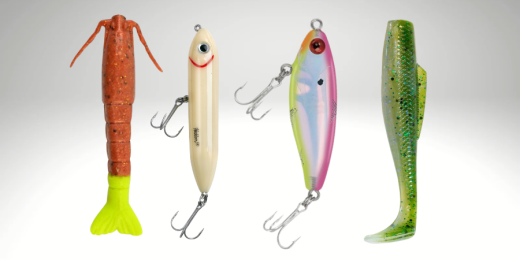
I put the topwater plugs away earlier than most guys want to admit. Sure, there are still mornings, first light, dead calm, glass-flat water, where a walk-the-dog bait draws a violent strike. But as the water temp keeps dropping, I lean harder on slow-sinking twitchbaits and soft plastics worked just off the bottom. Fish get lazier as the water cools, and you have to put it right in front of them and make it look like it’s dying, not fleeing.
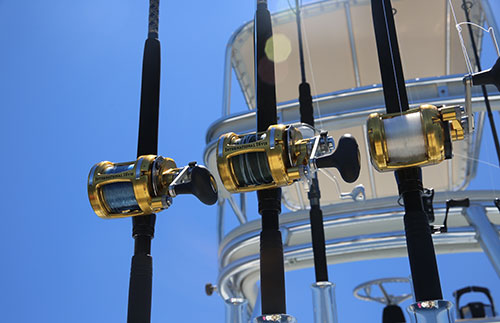
Tackle changes too. I’ll drop down in leader weight since the water’s clearing up with the cooler temps, fish get spookier when they can see thirty feet in every direction instead of ten. Lighter jigheads help baits fall slower through the strike zone, which matters now that the bite’s shifted from a reaction game to a patience game. I’ll also keep a spare rod rigged with a gold spoon, because when a school of reds fires up on bait, nothing draws a reaction strike faster.
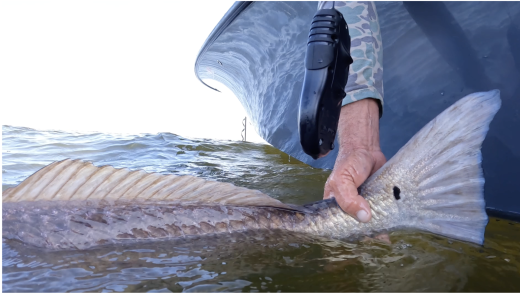
Tides matter more in fall than any other season, in my opinion. I want an outgoing tide pulling bait out of the marsh and funneling it through creek mouths and inlet chokepoints. That’s where the ambush happens. Redfish especially, they school up hard this time of year, big bronze wolfpacks pushing across the flats, and if you find one school, you’ve usually found the pattern for the whole week. I’ve had days where thirty fish came off a single point because I figured out the tide window and just sat on it.
Speckled trout stack up in the same creek mouths, but they want something different, slower, subtler. A soft plastic on a light jighead, twitched and paused, twitched and paused. You’re trying to look like an easy meal to a fish that’s getting cold and conservative with its energy.
The birds tell you almost everything if you pay attention. Diving gulls and terns working a spot mean bait’s getting pushed to the surface. Blitzes happen fast and don’t last, you might get ten minutes before the school sounds again. I keep the boat idling near likely water at first light so I can run on a blitz the second I see one break.
What it comes down to is this: summer fishing rewards covering water and hunting fish down. Fall fishing rewards patience and reading the signs , bait, birds, tide, temperature, and being in position before the window opens rather than chasing it after it’s already closing. Slow down, watch more, cast less, and let the fish come to the pattern instead of forcing it.
That’s fall on the Carolina coast. It’s not the season for hero casts. It’s the season for paying attention, and for being willing to change tactics if that’s what the fish are telling you to do.

You may be interested
Saltwater Fly Fishing…….Changing Saltwater Fishing
Tim Wilson - October 2, 2026I recently sat down with our new contributing writer, Luke Panzarella, from the Charleston, SC, region. First, let me say that the conversation was both interesting and…
Fall Fishing For False Albacore…..It’s Almost Time
Tim Wilson - October 2, 2026Fishing for False Albacore is a group of relatively simple steps, but those steps are non-negotiable. The first 3 things you need to have is light rods,…
North Carolina Marine Fisheries……A Different Path Forward Chapter 7
Tim Wilson - October 1, 2026The future of North Carolina’s marine fisheries does not have to be defined by the conflicts that have surrounded them for so many years. Fishermen, scientists, managers,…
Most from this category