Mistakes That Cost You Before You Ever Make a Cast
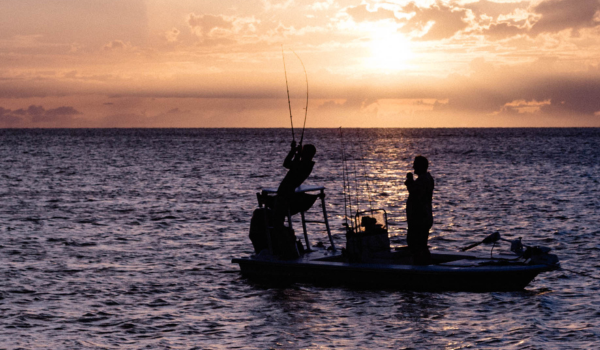
Every Carolina angler knows the feeling: you fished hard, covered water, and went home with a cooler full of ice. Most of the time, the fish weren’t the problem. The trip was already lost somewhere between the driveway and the first cast.

Ignoring the tide. Along our coast, from the marshes behind Masonboro Island to the rips off Oregon Inlet, moving water is the dinner bell. Redfish push onto flats on a rising tide, and flounder stack up at inlet mouths on the outgoing. Arrive at slack water and you are fishing a quiet restaurant. Check the tide chart the night before, then plan the spot around it, not the other way around.
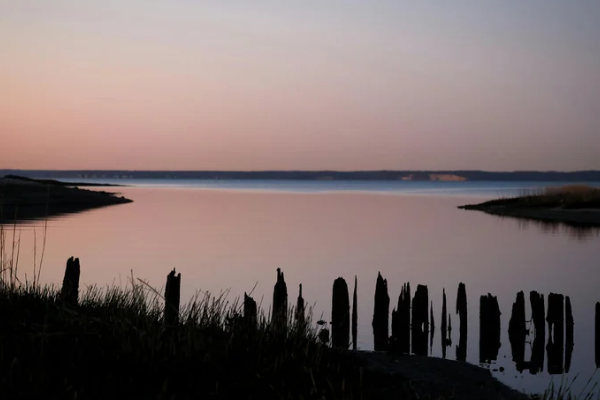
Burning the spot before you fish it. Running a big engine across a shallow flat, slamming a cooler lid, or dropping an anchor with a clunk can shut down a bite that was there a minute earlier. Fish in skinny water are spooky. Cut the throttle well short of where you plan to fish, and pole or drift in quietly.
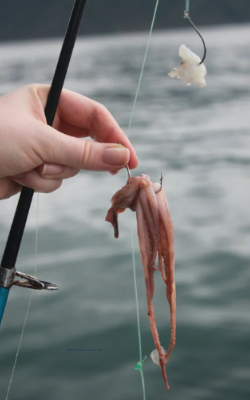 Fishing yesterday’s bait. Carolina forage changes with the season. In fall, mullet and menhaden are on the move, and the predators follow them. If the bait in the water doesn’t match what’s on your hook, you are asking fish to ignore their own dinner. Watch the birds, look for nervous bait at the surface, and throw a net before you buy anything at the tackle shop.
Neglecting the terminal tackle. A frayed leader, a rusty hook, or a poorly tied knot costs more big fish than any lure choice. Run your fingers down the last few feet of line before every trip, and retie after any bump on an oyster bed or piling. Oysters shred line, and the damage is often invisible until a bull red is on the other end.
Skipping the forecast. Wind against tide in an inlet can turn a pleasant morning into a dangerous one. I spent fifteen years as a rescue boat captain, and I can tell you that most of the calls I answered started with someone who didn’t check the marine forecast or didn’t respect it. Before you launch, know the wind, the seas, and when the weather is expected to change.
Not knowing the rules. Size limits, bag limits, and seasons for species like red drum, flounder, and spotted seatrout change, and the changes are anything but minor. Check the current North Carolina or South Carolina regulations before you leave the dock. A wrong measurement can turn a great day into a citation, and it hurts the fishery we all depend on.
 Fishing the same way all day. If nothing has bitten in thirty minutes, the fish are telling you something. Change the depth, the retrieve, the bait, or the spot. The anglers who consistently catch fish aren’t luckier. They adjust.
None of this requires expensive gear. It requires preparation, patience, and respect for the water. The best fishermen I’ve known win the day before the trip, with a tide chart, a fresh leader, and a good look at the weather.
Get those things right, and the cast takes care of itself.
You may be interested
Five Carolinas Spots for Winter Redfish
Tim Wilson - November 17, 2026When the water drops into the low fifties and the shallows go quiet, a lot of anglers put the rods away. They shouldn’t. Winter is when redfish…
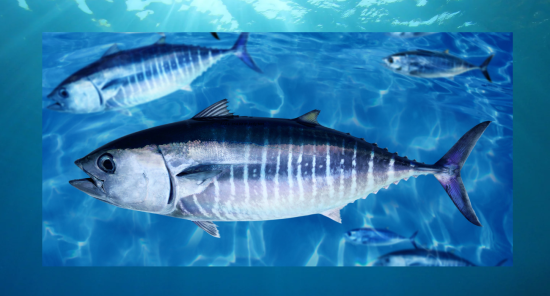
Finding Winter Bluefin Off Hatteras
Tim Wilson - November 17, 2026While the northeast wind rattles the dune grass and most of the East Coast has put its boats up on stands, a hardy fleet slips out of…
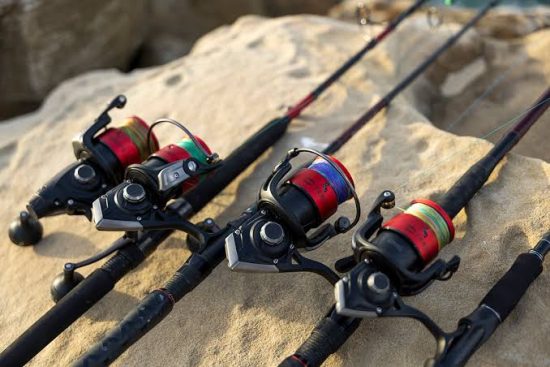
PENN Fierce V: A Reel for the Rod Holder
Tim Wilson - November 17, 2026I’ve spent most of my life on salt water, and I’ve learned that every boat needs a reel you can hand to a friend without a speech.…
Most from this category