Fishing Santee Cooper… Where Memories Are Born
I remember a beautiful fall day in 1968. I was only 12 years old when my grandfather agreed to a fishing trip with one of his many brothers, and he invited me to go along. The destination was South Carolina’s Santee Cooper, not far from where his brothers lived, and the word was out that Santee Cooper was a fishing hot spot.
After several warnings and half-serious threats aimed at my grandfather, my mother finally gave in and allowed me to go. Until then, I had only fished in small ponds and little creeks, always with my grandfather. But things were about to change. I was going to a place where catfish were said to be monsters, and bass would strike on
nearly every cast.
That day is one I’ll never forget. The fishing was everything I dreamed it would be, even for a little kid. My first trip to Santee Cooper was the day I decided I would become a fisherman, and I did. It was a life-changing experience that shaped who I became. Fishing became my passion, doing it, talking about it, teaching it, and, for the past 12 years, writing about it.
In later years, my career took me all over the United States, and sometimes right back to Santee Cooper. Each time I cross the old 301 bridge, I can’t help but think about that first trip. Most of all, I think about my grandfather and how proud he would be of the path I’ve followed as a fisherman at heart. He did two things in his life that forever changed mine: he taught me how to fish, and he took me, just once, to Santee Cooper. But that was all it took.
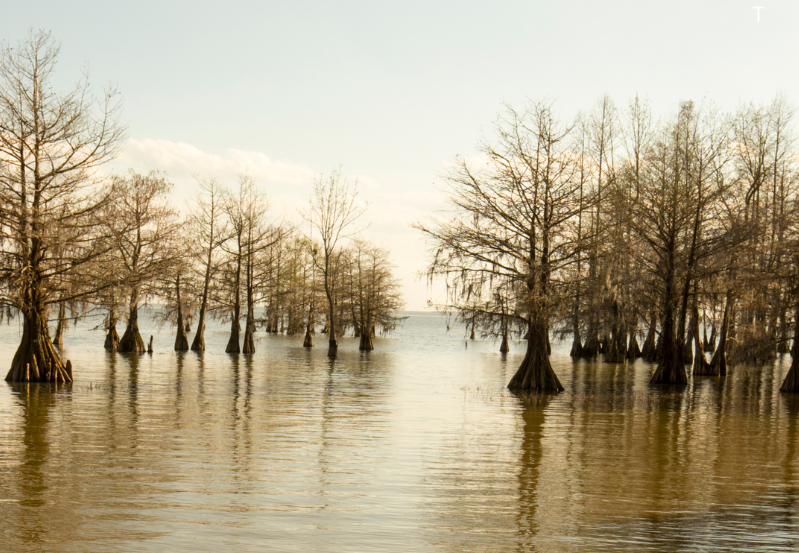
So now, let’s take a closer look at what Santee Cooper is all about. A Lake with History Beneath the Water One of the first things you notice about Santee Cooper is that it doesn’t feel like most other lakes. It’s wild. The flooded forests, endless stumps, twisting channels, it’s a landscape that seems half-forgotten, as if time stopped when the waters rose. And in a way, it did. Back in the 1940s, the Santee and Cooper Rivers were dammed to generate hydroelectric power, creating two massive reservoirs: Lake Marion (110,000 acres) and
Lake Moultrie (60,000 acres).
Together, they covered farmland, swamps, forests, even entire communities. To this day, you can drift over old house foundations, roads, and bridges buried under the water. The standing cypress trees that still poke above the surface are ghosts of what once was. That hidden structure is part of what makes Santee Cooper such a fertile fishery. It’s a labyrinth of cover, food sources, and deep-water sanctuaries, perfect for producing giant fish year after year. Santee Cooper has a little something for every angler, but a few species
have written its legend in bold letters:
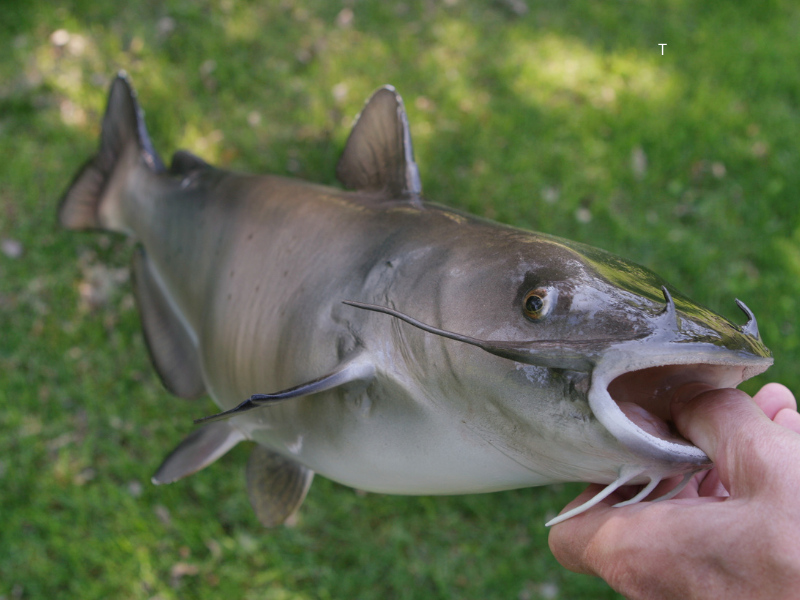
Catfish: The lakes are best known for their blue cats, with regular catches in the 30–60 lb range and occasional monsters tipping 100+. Flatheads and channel cats add variety, but it’s the blues that draw anglers from across the country. Drifting cut bait across the flats is the go-to method, and many guides have perfected it into an art.
Largemouth Bass: The cypress trees and stump fields are bass magnets. Santee Cooper has produced countless double-digit largemouths, with spring being prime time. Spinnerbaits, soft plastics, and topwaters all shine when bass are shallow.
Crappie: In the spring, the crappie bite turns red-hot. Docks, brush piles, and submerged timber produce slabs that’ll keep you busy from dawn till dusk.
Bream and Shellcracker: Every May, when the moon is full, shellcrackers bed in shallow water, and the action is almost unbelievable. Anglers load up on bluegill and redear sunfish, some pushing two pounds apiece.
Striped Bass: Santee Cooper is one of the rare places where stripers reproduce naturally. Though management has had its ups and downs, they’re still a favorite target in deeper water.
Over the years I fished all over American. From the Florida Keys to Alaska, but that weekend on Santee Cooper was a trip that beats all the others. Because it was with my Grandfather.
Story By: Captain Tim Wilson
You may be interested
Soft Plastics….A Winter Fishing Tactic
Tim Wilson - February 8, 2026Winter fishing with plastic baits is a game-changer when it comes to inshore cold-water fishing. Even in warm regions like the Charleston Lowcountry, the winter months require…
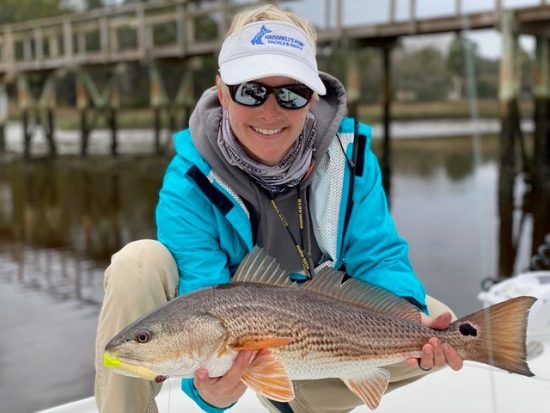
Dock Fishing For Winter Reds…Slow It Down
Tim Wilson - January 21, 2026With the fishing winter pattern still a factor for a few more months, fishing around docks can be a strategy that makes or breaks a day of…
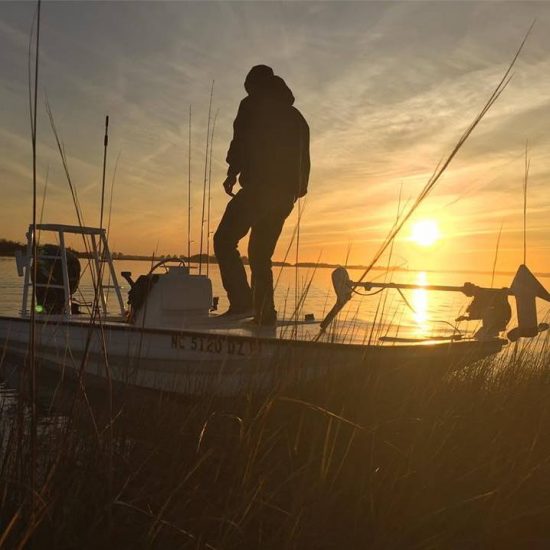
Winter Fishing In the Carolinas
Tim Wilson - January 21, 2026For many anglers, winter marks the end of fishing season. Boats are winterized, tackle gets reorganized, and attention shifts to waiting on spring. But seasoned Carolina anglers…
Most from this category