How Inclement Weather (Hurricanes & Tropical Storms) Impacts Fishing
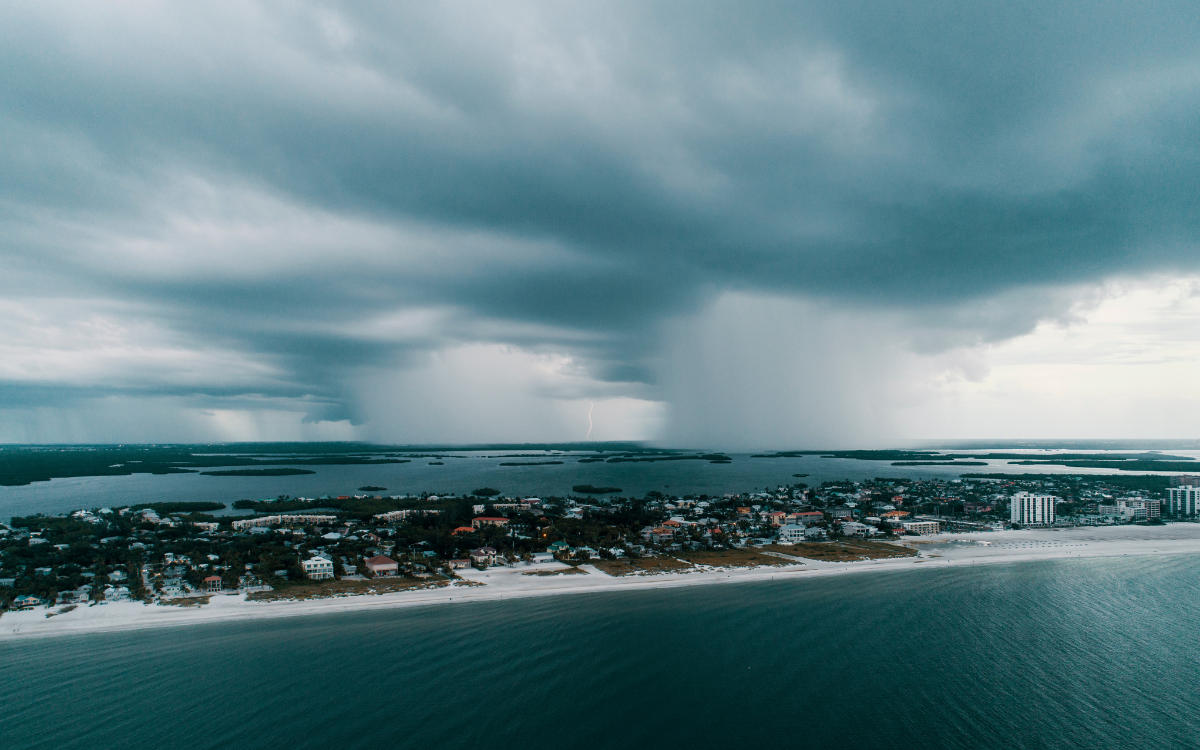
Large bodies of water, especially those that are enormous, are highly complex environments. However, they’re extremely vulnerable to the elements of weather. When air masses move across the ocean unimpeded, their strength can impact everything from the fish themselves to every dimension of their surroundings. Fish can survive in this environment because they bare highly sensitive to changes. All fish have lateral line systems, organs that detect even the slightest movements and pressure changes in the water around them. Many species of bony fish also have a swim bladder, a gas-filled chamber that controls buoyancy and helps a fish maintain a particular depth.
Air pressure above also affects the air pressure in the swim bladder even though the fish are underwater. To what degree depends on the species. For example, Red Grouper, Black Sea Bass and Gag have large swim bladders. In contrast, Sharks, Flounder, Cobia and
Mackerel are examples of fish that don’t have a swim bladder and are less vulnerable to air pressure changes. Science gives us a tidy way of layering a body of water by temperature and density. It’s called the thermocline, and it basically defines the boundaries of survivability for various species.
Hurricane Season Can Make
For Good Fishing
Whether you follow the intricate rules of meteorology or the knowledgeable voice of the experienced angler, the message is the same.
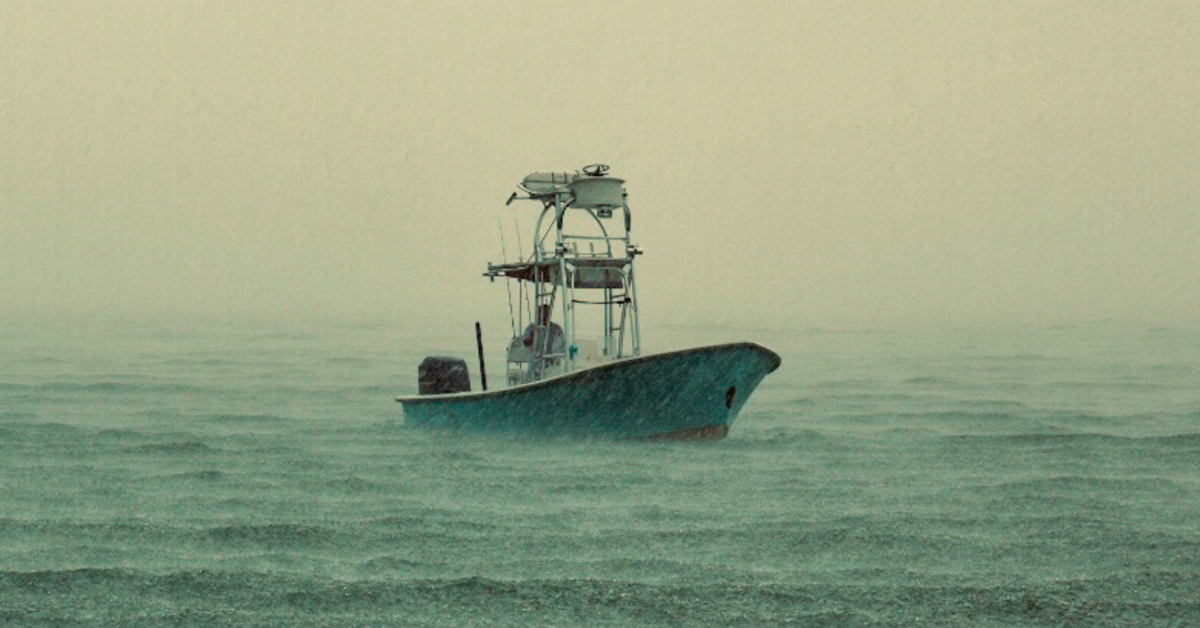
As bad weather approaches, the barometer drops, and the fish want to feed. Once the bad weather passes and the barometer begins to rise, the fish will stop biting—or at least be more challenging to catch.
So, how do you know how to time it? As with everything else, it’s nuanced. The barometer typically begins dropping for a hurricane 12 to 24 hours before storm arrival. However, changes in the barometer can happen quickly, slowly or somewhere in between and are measured in millibars or fractional inches of mercury—in Hg.
Rapid changes involve increases or decreases of more than 0.18 in Hg in less than three hours. Slow changes involve increases or decreases of 0.003 to 0.04 in Hg within
three hours. If changes are less than 0.003 in Hg in that timeframe, the pressure is
holding steady.
As a rule, the longer it takes the barometer to change, the longer the weather will last. Likewise, the faster and deeper the drop, the stronger the storm will be. In some cases, like a quick cloudburst, the weather event may be so brief that the barometer doesn’t change at all.
Remember….Safety First
To be clear, an actual hurricane is no place to be, and even an
everyday storm can bring lightning, heavy rains and winds that can
grow deadly.
You may be interested
Berr Side Kicks…..Homemade Beer Brat Bites
Tim Wilson - October 16, 2026
When the Deer Woods Change
Tim Wilson - October 16, 2026The deer woods you hunted in early October may look familiar when November arrives, but the reasons deer use them can change considerably. Across North Carolina, South…
Greatest Of The Grill…..Grilled Coca-Cola Chicken
Tim Wilson - October 16, 2026Everything is better with a Coke… including chicken. Tangy, sweet, and savory, this grilled Coca-Cola chicken will hit every one of your taste buds. If you’re searching…
Most from this category