The difference between a good day of saltwater fishing and a frustrating one often comes down to one thing, fresh bait. Experienced anglers know that bait quality can make or break a trip, especially when targeting species like redfish, speckled trout, flounder, or king mackerel. Keeping bait fresh longer is not complicated, but it does require preparation and a few smart habits on the water.
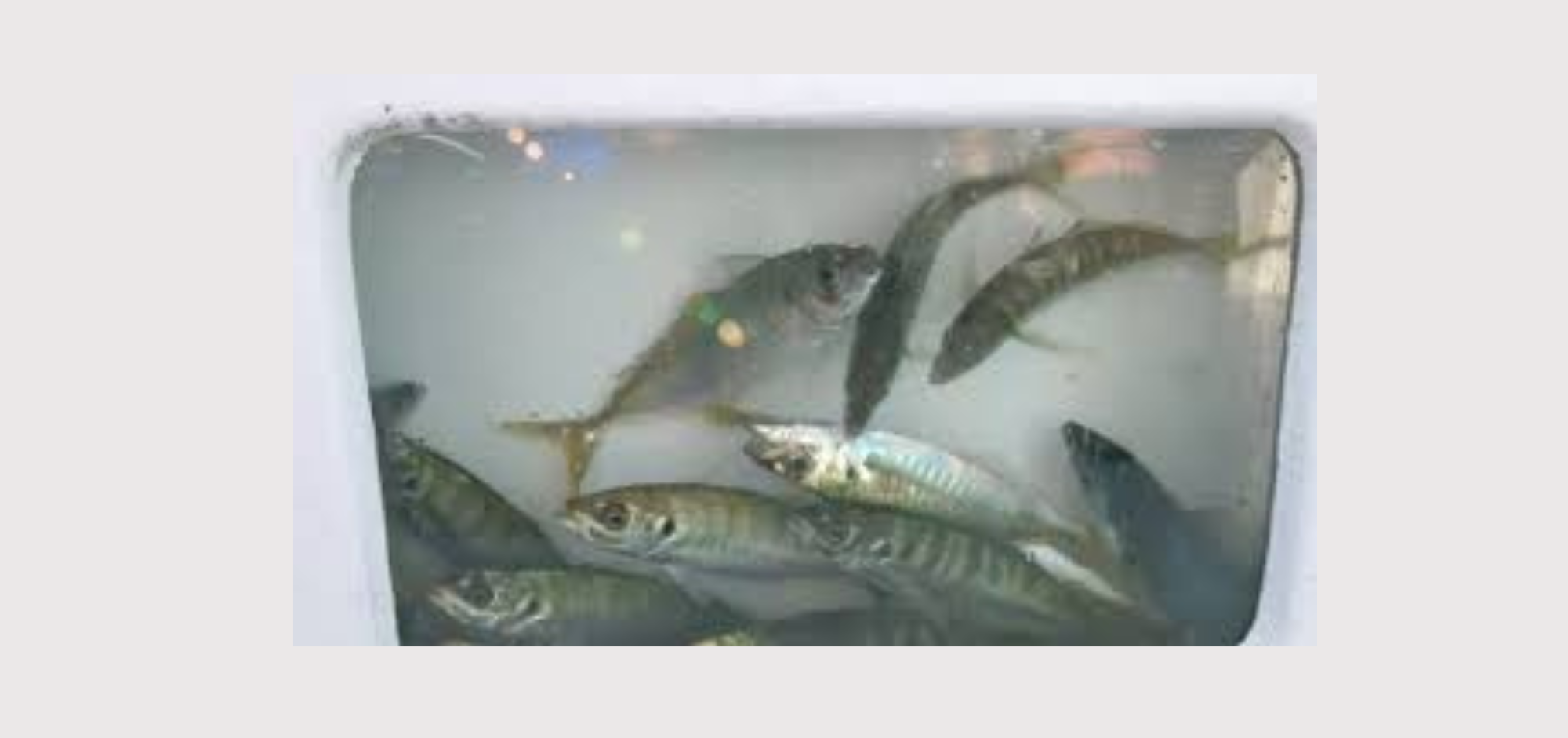
 One of the biggest mistakes anglers make is overcrowding bait in a livewell or bait bucket. Too many baitfish in a confined space quickly reduce oxygen levels and create stress, causing bait to weaken or die. A properly aerated livewell with clean circulating water is one of the best investments a saltwater fisherman can make. If you are using shrimp or mud minnows, changing the water regularly helps remove waste and keeps them lively throughout the day.
Temperature control is another major factor. During the summer months, bait can overheat quickly under direct sunlight. Keeping bait containers shaded and using frozen water bottles instead of loose ice helps regulate water temperature without introducing chlorine or freshwater contamination. Loose ice melting directly into saltwater bait tanks can shock baitfish and shorten their lifespan.
Handling bait carefully also matters more than many anglers realize. Dry hands remove the protective slime coating from baitfish, making them vulnerable and weak. Wet your hands before touching live bait whenever possible. Using a soft mesh net instead of grabbing bait by hand also reduces injury and stress.
For cut bait, freshness is equally important. Fresh mullet, menhaden, or squid should always be stored on ice in a separate cooler. A simple trick many offshore anglers use is layering bait between ice packs instead of placing it directly on ice water. This keeps the bait firm and prevents it from becoming soft and washed out before it ever hits the hook.
At the end of the day, fresh bait creates more action and more confidence on the water. A lively shrimp kicking under a popping cork or a fresh chunk of cut bait drifting through a tidal creek simply attracts more fish. Learning how to properly care for your bait is one of those small details that often separates casual fishermen from consistently successful anglers.