Preparing for Carolina Bear Hunting Season
A Season of Tradition and Respect
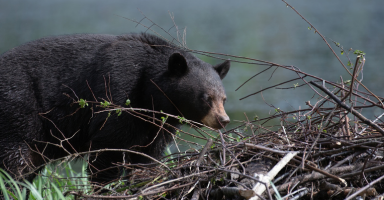
When the crisp air of late fall settles over the Carolina coast and the hardwoods fade from green to gold, it signals more than the change of seasons, it marks the arrival of bear season across the Carolinas. For many hunters, especially in the eastern regions of both states, black bear season is a tradition built on patience, preparation, and deep respect for one of the most powerful game animals in North America.
Understanding the Carolina Black Bear
Black bears in the Carolinas are among the largest in the eastern United States. Coastal North Carolina, particularly Hyde, Beaufort, and Tyrrell counties, produces record-breaking bears year after year, some tipping the scales well past 600 pounds. South Carolina’s bear populations are growing steadily in both the coastal and mountain zones, providing unique challenges for hunters who must adapt to vastly different terrain and feeding patterns.
Scouting and Sign
Preparation begins long before the first day of the hunt. Successful bear hunters spend weeks scouting, checking for tracks, droppings, claw marks on trees, and active feeding areas. In the coastal swamps and pocosins, bears feed heavily on agricultural crops like corn and peanuts, while in the mountains they focus on acorns, berries, and soft mast. Trail cameras placed along travel corridors and field edges can help pinpoint movement and timing.
Gear and Firearms
Bear hunting demands dependable gear. Many Carolina hunters prefer large caliber rifles. 30-06 Springfield, .300 Win Mag, and .45-70 Govt. are among the favorites, while others choose muzzleloaders or archery equipment for a more traditional approach. Optics should offer clarity in low light, and your pack should include essentials like rangefinder, drag rope, field-dressing tools, and a reliable GPS or mapping app such as onX Hunt to navigate dense cover.
Dogs and Drive Hunts
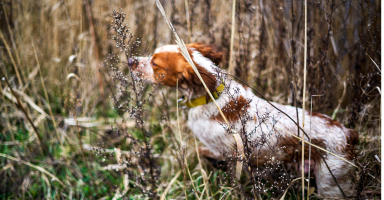
In many eastern counties, bear hunting with dogs is a time-honored tradition. Breeders and handlers spend all year conditioning their packs of Plotts, Walkers, and Redbones to track and bay bears through miles of thick swamp. Dog hunting is as much about teamwork and camaraderie as it is about the harvest itself—every chase is a story worth retelling around the fire.
Safety and Ethics
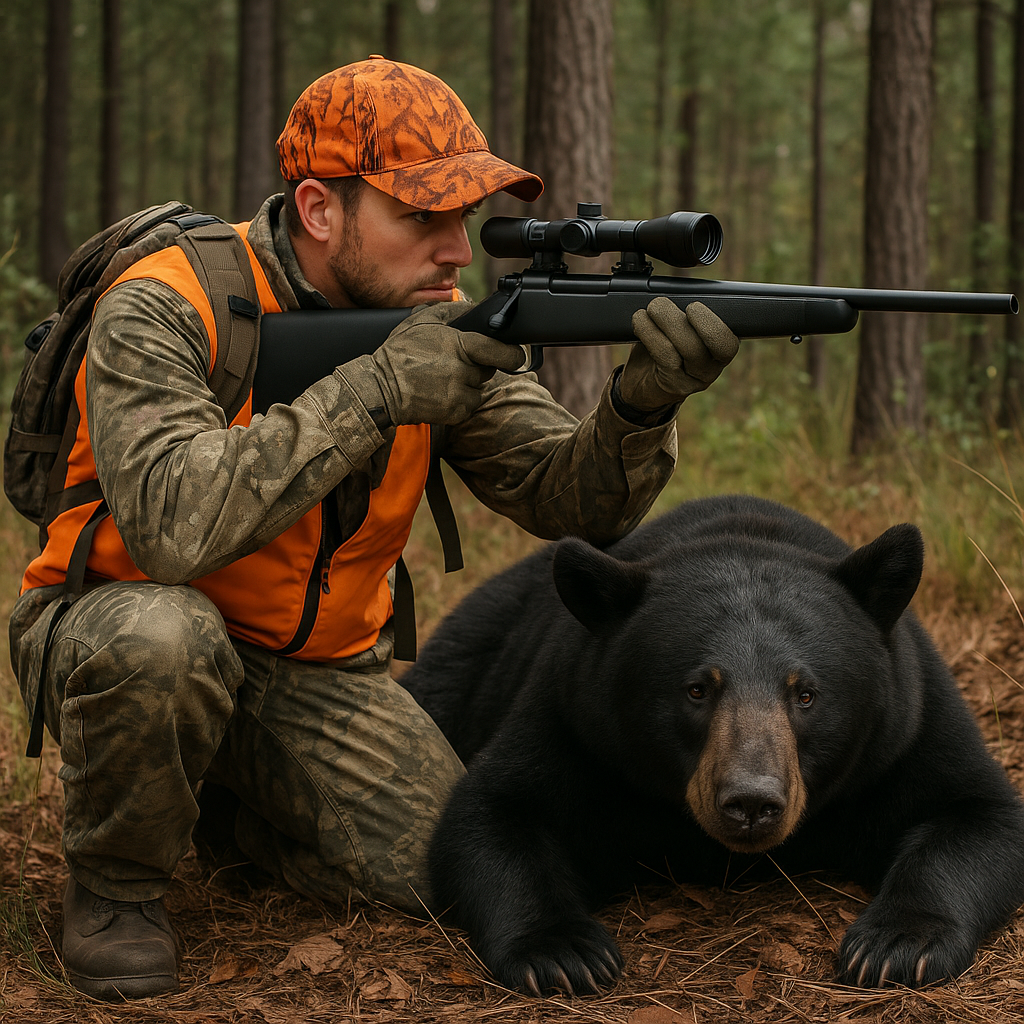
Bear hunting requires a steady hand and a clear mind. Always identify your target, know your backstop, and respect property boundaries. Hunters are encouraged to avoid sows with cubs and to practice ethical shot placement to ensure a quick, humane harvest. In both states, hunters must check current regulations carefully, season dates, permit requirements, and dog-hunting zones can vary greatly between counties.
A Reward Beyond the Trophy
While a Carolina black bear rug or mount is a lasting reminder, the true reward lies in the experience, watching the dawn break over a misty swamp, hearing hounds echo through the timber, and feeling the deep connection to a wild tradition that has endured for generations. Preparing for bear season is more than planning a hunt, it’s embracing a part of Carolina heritage that continues to thrive through stewardship, respect, and shared passion for the outdoors.
Story By: Angler & Sportsman Team
You may be interested
The Future of North Carolina’s Fishing Heritage……Chapter 8
Tim Wilson - October 8, 2026The future of North Carolina’s fishing industry will not be determined by one meeting, one regulation, or one decision. It will be determined by the willingness of…
The 2026 Carolina Deer Season
Tim Wilson - October 8, 2026The 2026 deer season is underway in parts of the Carolinas, but hunters need to pay close attention to exactly where and how they plan to hunt.…
What Your First Cast Tells You
Tim Wilson - October 8, 2026The first cast of a fishing trip is usually treated as nothing more than the beginning of the day, but it can actually provide an angler with…
Most from this category