Using The Right Saltwater Hook
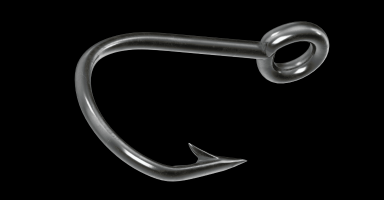
Hook Type & Use
| Hook Type | Best For | Notes | |
|---|---|---|---|
| Circle Hook | Red Drum, Cobia, Tarpon, Snapper | Self-setting; minimizes deep hooking; required for many species. | |
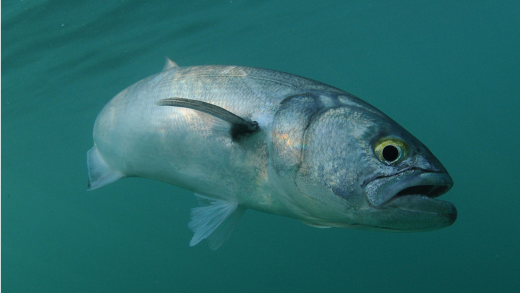
| J-Hook | Spanish & King Mackerel, Bluefish | Ideal for fast strikes; strong penetration. | |
| Kahle Hook | Drum, Croaker, Flounder | Wide gap; great for cut or live bait. | |
| Octopus Hook | Speckled Trout, Sheepshead | Short shank; perfect for live shrimp or small baitfish. | |
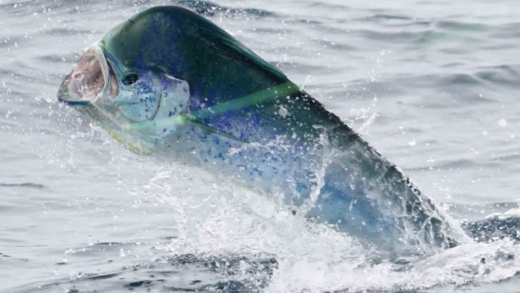
| O’Shaughnessy Hook | Offshore trolling (Mahi, Tuna, Wahoo) | Classic shape; strong, corrosion-resistant. | |
| Treble Hook | Plugs, spoons, topwater baits | Excellent for lures; handle fish carefully. | |
| Assist Hook | Vertical jigs, Grouper, Amberjack | Great hook-up ratio for jigging applications. |
Hook Size Recommendations
| Target Species | Recommended Size | Hook Type |
|---|---|---|
| Speckled Trout | #2 – 1/0 | Octopus / Circle |
| Flounder | 1/0 – 3/0 | Kahle / Circle |
| Red Drum (Puppy Drum) | 2/0 – 5/0 | Circle |
| Spanish Mackerel | 1/0 – 3/0 | Long-shank J-hook |
| Bluefish | 2/0 – 4/0 | Long-shank J-hook |
| King Mackerel | 4/0 – 7/0 | O’Shaughnessy / Live Bait |
| Cobia | 7/0 – 9/0 | Circle |
| Tarpon | 8/0 – 10/0 | Circle / Offset |
| Sharks | 10/0 – 20/0 | Heavy-duty Circle / J-hook |
Hook Materials & Coatings
| Material | Corrosion Resistance | Notes |
|---|---|---|
| Stainless Steel | ★★★★★ | Extremely durable; slow to degrade. |
| High-Carbon Steel (Coated) | ★★★★☆ | Very sharp; protective coatings needed. |
| Tin-Plated | ★★★★☆ | Excellent salt resistance; bright finish. |
| Black Nickel / Chrome | ★★★☆☆ | Common finish; good strength, less glare. |
Carolina Angler Tips
-
Inshore (Sounds, Inlets, Marshes): Use 2/0–4/0 circle or Kahle hooks with live shrimp, mullet, or mud minnows.
-
Surf & Pier: Long-shank J-hooks (2/0–6/0) for toothy fish like Bluefish and Spanish.
-
Offshore: Forged stainless O’Shaughnessy hooks for trolling; assist hooks for jigging.
-
Tackle Care: Rinse hooks in fresh water and store in dry containers with desiccant packs to prevent corrosion.
Pro Tip:
Use non-offset inline circle hooks for natural bait — it’s better for catch-and-release and required by law for certain reef species in federal waters.
Story By: Angler & Sportsman Team
You may be interested
The Future of North Carolina’s Fishing Heritage……Chapter 8
Tim Wilson - October 8, 2026The future of North Carolina’s fishing industry will not be determined by one meeting, one regulation, or one decision. It will be determined by the willingness of…

The 2026 Carolina Deer Season
Tim Wilson - October 8, 2026The 2026 deer season is underway in parts of the Carolinas, but hunters need to pay close attention to exactly where and how they plan to hunt.…
What Your First Cast Tells You
Tim Wilson - October 8, 2026The first cast of a fishing trip is usually treated as nothing more than the beginning of the day, but it can actually provide an angler with…
Most from this category