Fishing For Flathead Catfish In The Piedmont Rivers
The Yadkin River doesn’t give up its flatheads easily, it moves on its own schedule, dark and unhurried between its clay banks, and the fish that live in its deepest bends have learned every trick a man might try against them. Danny Overcash knew this better than most, he’d been fishing the Yadkin since his father first backed a jon boat down the Cooleemee ramp on a July night thirty years ago, and in all that time the river had never stopped humbling him.
It was late May, the water temperature had climbed to 68 degrees, and Danny was running his fourteen-foot aluminum boat upstream toward a outside bend he’d been watching all spring, a place where a fallen white oak had dropped into eight feet of water and created exactly the kind of ambush structure a big flathead couldn’t resist. He cut the motor, dropped the anchor quietly, and let the boat swing into position without rushing anything.
Flathead fishing in the Piedmont is a patience game more than a skill game, though it demands both, and Danny had rigged his rods the same way he always did, heavy spinning outfits loaded with 65-pound braid, 18-inch fluorocarbon leaders, and 5/0 circle hooks baited with live bluegill between four and six inches long. The bluegill were the key, wild-caught that morning from a farm pond two miles off the highway, hooked lightly through the back just behind the dorsal fin so they’d swim naturally and stay alive as long as possible, because a dead bait on a flathead hole is mostly a waste of a night.
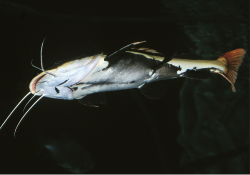
He set two rods along the upstream edge of the fallen tree and one downstream in the current seam where the slack water met the moving water, the kind of subtle transition zone where flatheads park themselves and wait for the river to bring something to them. Then he leaned back in his seat, poured coffee from a thermos, and listened to the Yadkin talk to itself in the dark.
An hour passed, then most of another, and somewhere across the river a barred owl called once and went quiet, and Danny was beginning to negotiate with himself about one more hour before heading in when the downstream rod lurched forward and the clicker screamed.
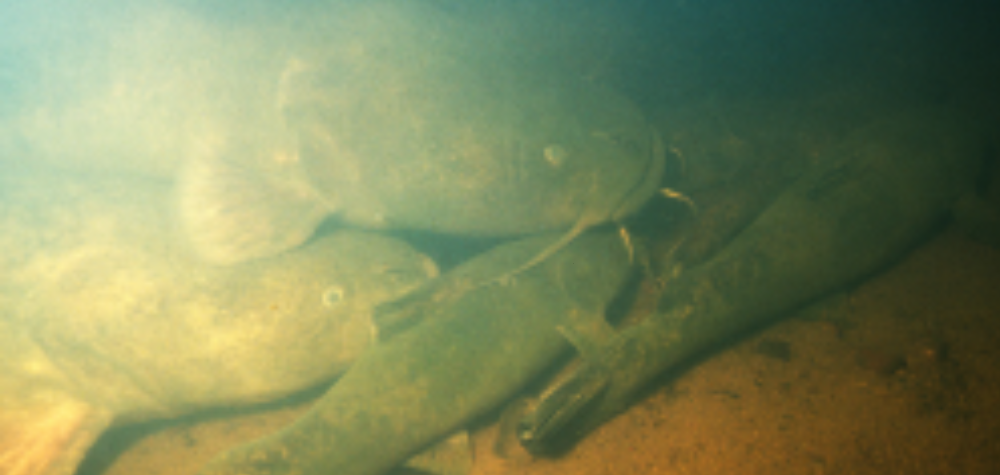
He was on his feet before he was fully awake to the moment, lifting the rod, feeling that tremendous throbbing weight that every catfish angler knows instantly and never stops loving, the fish pulling for the root mass in slow powerful surges, taking line, giving it back, taking more. Danny worked it away from the timber, out into open water, and fifteen minutes later he slid a 34-pound flathead over the lip of his net, its wide prehistoric head filling the mesh, its yellow belly catching the beam of his headlamp like something lit from inside the river itself.
He held it in the water for a long moment, felt its tail push against his hands, and let it go.

You may be interested
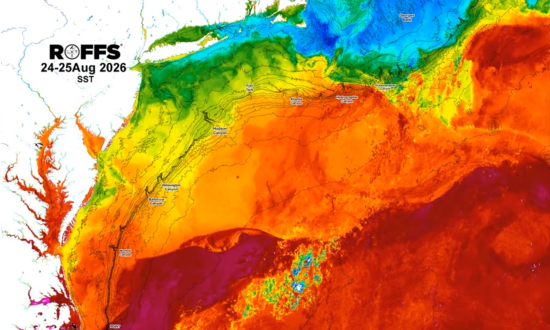
This Week’s Offshore Conditions Forecast
Tim Wilson - September 25, 2026The latest in offshore conditions. Click for full information. https://youtu.be/SZ3JnOloRHE?si=zuBbxUQhw3Gcah63 https://youtu.be/o03wbLuGckI?si=FL1jlf_-gvISsJ8O
Trust and the Future of North Carolina’s Fisheries……Chapter 6
Tim Wilson - September 24, 2026The conflict surrounding North Carolina’s marine fisheries has never been only about fish. For many fishermen, it is also about whether the people making decisions understand what…
An Angler Looks At 70
Tim Wilson - September 24, 2026Growing up in the foothills of North Carolina, fishing was a far cry from fishing on the Carolina coast. However, fishing in my early years is something…
Most from this category
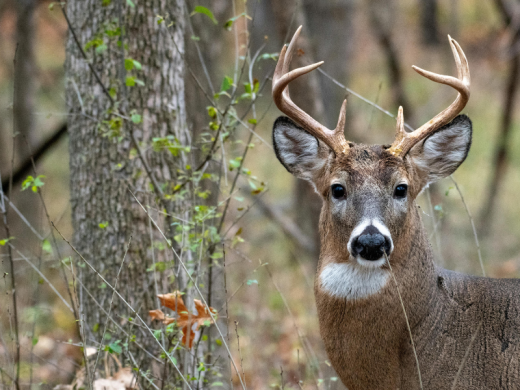
Early Deer Season…. Why September Whitetails Require a Different Strategy
Tim Wilson - September 24, 2026
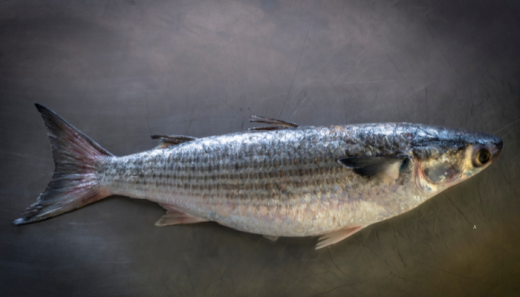
Follow the Bait….Follow the Bait: Why Finger Mullet Can Tell You Where the Fish Are
Tim Wilson - September 24, 2026