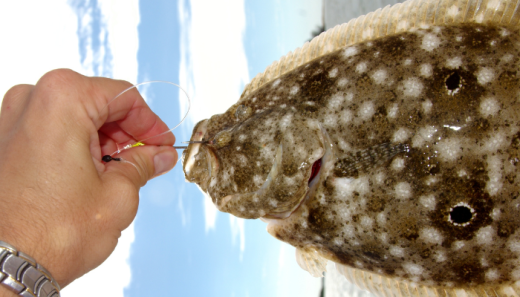
Sheepshead…..Striped, Stubborn, and Smarter Than You Think
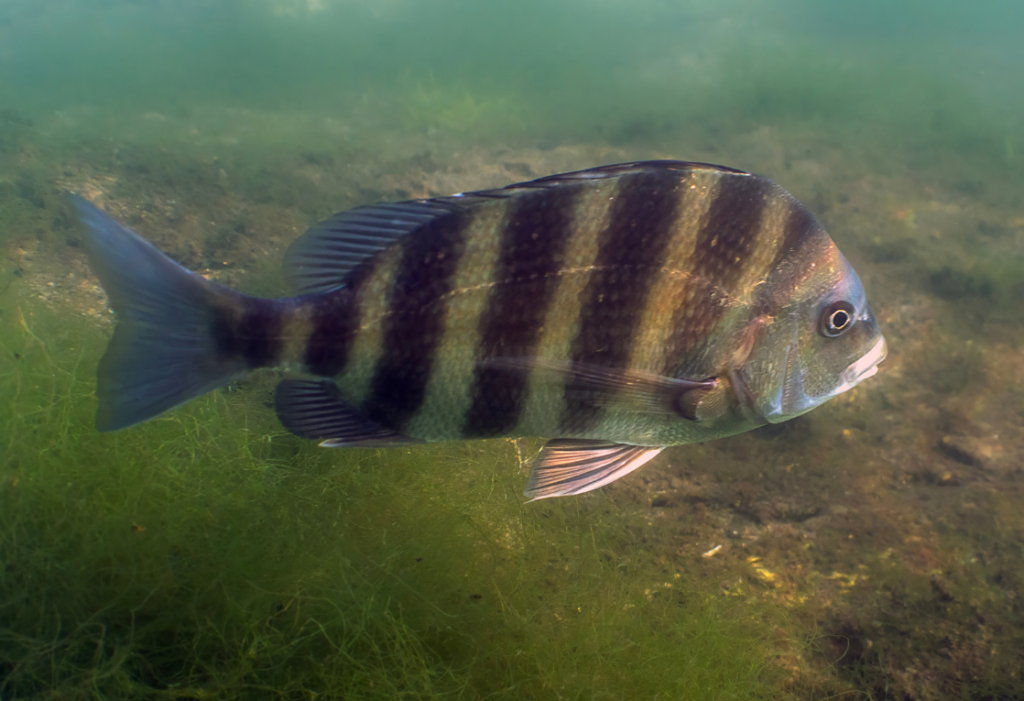
The sheepshead has always been there, under your dock, beneath the bridge you cross every morning on the way to work, stacked along the riprap seawall you’ve driven past a hundred times without stopping. It didn’t suddenly appear, you just weren’t looking. But anglers up and down the Atlantic and Gulf coasts are looking now, and what they’re finding is one of the most rewarding, most frustrating, and most delicious fish swimming in inshore waters today.
Here’s how to actually catch one.
Find the Structure First
Sheepshead are creatures of habit and architecture, they don’t roam open water, they live where barnacles, oysters, mussels, and crustaceans concentrate, which means pilings, bridge supports, rock jetties, channel markers, and riprap shorelines. In early spring, before water temperatures push much past 60 degrees, focus on dark-bottomed sheltered areas that absorb heat, the south-facing side of a bridge, a dock tucked inside a creek bend, a bulkhead that gets full afternoon sun. As water temperatures climb through April and May, sheepshead spread out, moving to nearshore artificial reefs, rock piles, and hard-bottom structure in eight to thirty feet of water. The fish don’t disappear, they just expand their address book.
Tide Matters More Than You Think
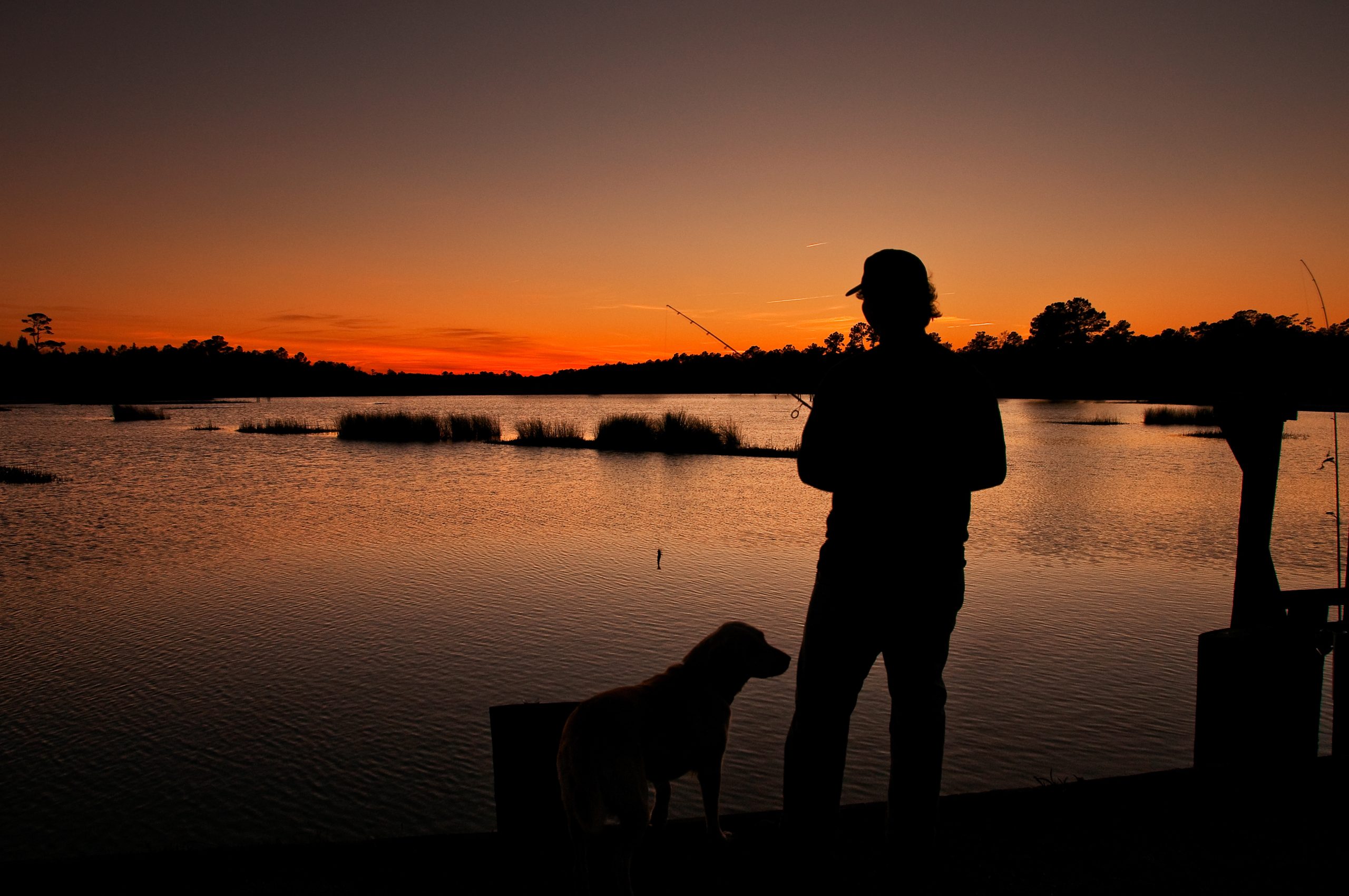 Ask any serious sheepshead angler and they’ll tell you the same thing, fish the moving tide. Incoming or outgoing, it doesn’t much matter, what matters is current. Moving water activates feeding, dislodges crustaceans from structure, delivers food to fish holding in predictable current seams, and keeps your bait behaving naturally. Slack tide sheepshead are lockjawed, suspicious, and largely a waste of good fiddler crabs. The last two hours of an outgoing tide are particularly productive around river mouths and tidal creeks, where sheepshead stack up waiting for the current to deliver whatever it’s pulling off the marsh.
Bait Selection: Don’t Overthink It, But Don’t Cut Corners
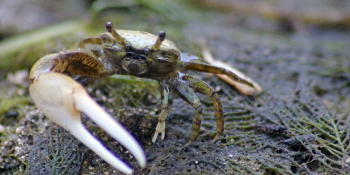
Fiddler crabs are the gold standard, period. You can catch sheepshead on sand fleas, shrimp, oysters, and barnacles scraped directly off a piling, and there are days when each of those will outperform everything else, but if you show up with a bucket of fresh fiddlers you’re already ahead of most of the people fishing around you. Hook your fiddler through the back of the shell with a size 1 or 1/0 kahle hook, pinch the claws to keep the crab from burying itself, and use just enough weight to reach the bottom, no more. A 3/8-ounce egg sinker on a Carolina rig with eighteen inches of fluorocarbon leader is a reliable starting point, keep your presentation tight to the structure, not near it, on it, because an inch from the piling is a dramatically different world than six inches from the piling.
The Bite: This Is Where People Lose Their Minds
Sheepshead do not bite the way other fish bite, their human-like teeth, flat, hard, and built for crushing barnacles, allow them to pick a bait apart with surgical patience, and what you feel on the line is often nothing more than a slight tick, a subtle change in weight, a line that seems to go slightly slack when it shouldn’t. New sheepshead anglers miss ninety percent of their bites and spend the whole morning wondering why their hook comes back bare. The solution is contact, keep your line taut enough to feel the bottom, reel down to eliminate slack, and watch your line tip as much as your rod tip, and when something changes, anything at all, set the hook hard, because sheepshead have mouths built like concrete and a half-hearted hookset will cost you more fish than any other single mistake you can make out there.
Gear, Regulations, and the Bigger Picture
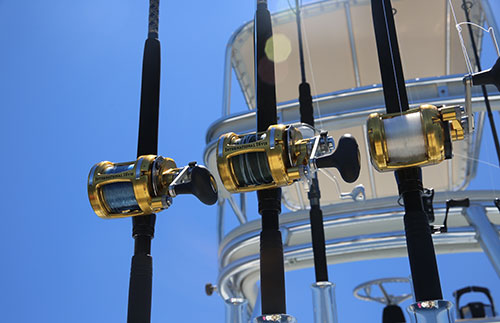
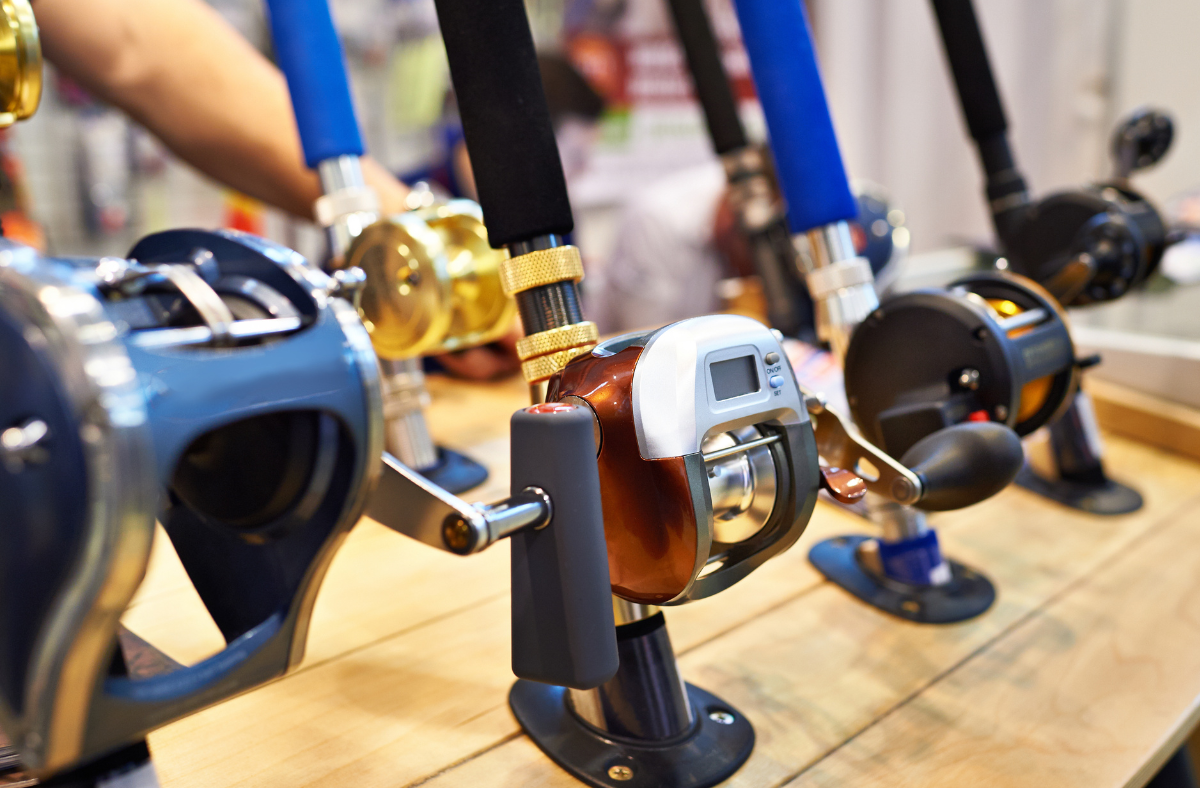 A medium-heavy spinning or baitcasting rod in the seven-foot range, loaded with 20-pound braided line and a fluorocarbon leader, handles the average sheepshead comfortably, a fish that typically runs between two and six pounds with genuine trophies stretching past ten. Braid’s sensitivity is a real advantage here, every tick and tap transmits up the line in a way monofilament simply won’t match. Check your state regulations before you go, bag limits and size minimums vary along the coast, and management attention on sheepshead has been increasing steadily as the fishery grows in popularity. Many experienced anglers are voluntarily releasing the larger older fish, the ones that have been sitting under that bridge since before you started fishing it, and those are exactly the ones worth keeping in the water, because they’ll be there next season, sitting right back under that piling, ready to make you feel like a beginner all over again.

You may be interested
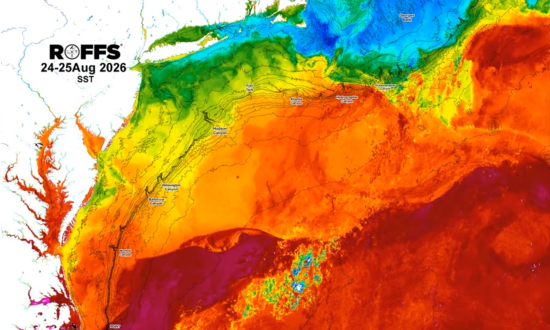
This Week’s Offshore Conditions Forecast
Tim Wilson - September 25, 2026The latest in offshore conditions. Click for full information. https://youtu.be/SZ3JnOloRHE?si=zuBbxUQhw3Gcah63 https://youtu.be/o03wbLuGckI?si=FL1jlf_-gvISsJ8O
Trust and the Future of North Carolina’s Fisheries……Chapter 6
Tim Wilson - September 24, 2026The conflict surrounding North Carolina’s marine fisheries has never been only about fish. For many fishermen, it is also about whether the people making decisions understand what…
An Angler Looks At 70
Tim Wilson - September 24, 2026Growing up in the foothills of North Carolina, fishing was a far cry from fishing on the Carolina coast. However, fishing in my early years is something…
Most from this category
Early Deer Season…. Why September Whitetails Require a Different Strategy
Tim Wilson - September 24, 2026
Follow the Bait….Follow the Bait: Why Finger Mullet Can Tell You Where the Fish Are
Tim Wilson - September 24, 2026