Using the Right Fish Hook
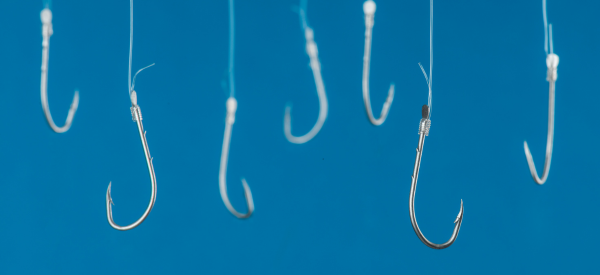
Walk down any tackle aisle and you’ll see walls of hooks, different shapes, sizes, offsets, coatings, and brands, and most anglers treat them like they’re all the same, they’re not, not even close, choosing the right hook is one of the fastest ways to improve your catch ratio, and just as important, how well you land the fish once it bites.
The biggest mistake most anglers make is matching the hook to the bait, when they should be matching the hook to the fish, the way a fish feeds, the hardness of its mouth, and how you plan to present the bait all matter far more than just size.
Circle hooks have changed saltwater fishing in a big way, especially for live bait and natural presentations, they’re designed to roll into the corner of the fish’s mouth instead of being “set” with a hard hookset, that means fewer gut-hooked fish, better survival for releases, and surprisingly, a higher landing ratio when used correctly, the key is discipline, don’t jerk, just come tight and let the hook do the work.
J-hooks still have their place, especially when you need to drive steel fast, think king mackerel, mahi, or any situation where reaction strikes are common, they allow for an aggressive hookset and can be better when fish are slashing at baits instead of committing, but they require timing, miss it, and you miss the fish.
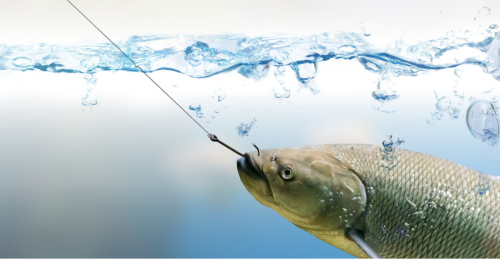
Treble hooks are all about exposure, more points, more chances to stick a fish, which is why they dominate artificial lures, plugs, and topwater baits, but they come with trade-offs, more damage to the fish, more tangles, and more opportunities to lose control at the boat, serious anglers often upgrade or swap trebles depending on target species and conditions.
Then there are specialty hooks, offset worm hooks for rigging soft plastics clean and weedless, kahle-style hooks that sit somewhere between a J and a circle, and heavy-gauge offshore hooks built to handle tuna, billfish, and anything that can turn a weak hook into a memory.
Size matters, but not the way most think, too small and you miss solid hookups, too large and you kill the natural look of the bait, the goal is balance, a hook big enough to find the corner of the mouth, but not so big that it interferes with how the bait swims or sits.
Sharpness is non-negotiable, a hook should grab your fingernail with almost no pressure, if it slides, it’s not ready, and in saltwater, corrosion is always working against you, even the best hooks need to be checked, replaced, or touched up regularly.
In the end, great anglers don’t just tie on hooks, they make decisions, they think about species, conditions, presentation, and outcome, and when they get it right, the difference shows up where it matters most, at the boat, with the fish still on the line.
That’s not luck, that’s understanding the details that most overlook.
You may be interested
North Carolina Marine Fisheries A System in Trouble: Chapter 5
Tim Wilson - September 18, 2026The Disappearing Working Waterfront A working waterfront is more than a place where boats are tied to a dock. It is a living connection between the people,…
The Best Lures For 2026 Fall Speckled Trout Fishing
Tim Wilson - September 18, 2026Cooler weather is here and that can only mean that Speckled Trout fishing is starting to boom. Take a look at 3 of the Carolina's most well…
From Spanish to Kings….How Long Will the Nearshore Mackerel Bite Last?
Tim Wilson - September 18, 2026September may signal the beginning of fall, but Carolina ocean waters don't suddenly cool because the calendar changes. For fishermen targeting Spanish and king mackerel, that means…
Most from this category