How High Gas Prices Are Reshaping the Fishing Industry
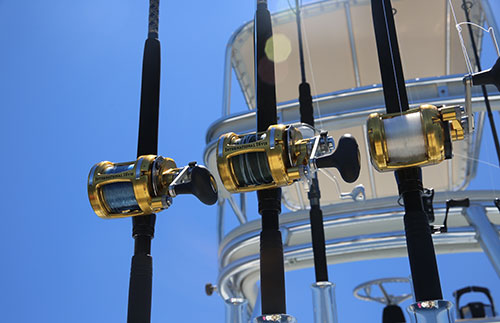
The sea doesn’t care about the price of diesel. The tides still turn, the fish still run, and the storms still come. But for the men and women who make their living hauling nets and baiting hooks, the fuel pump has become just as formidable a force as any nor’easter.
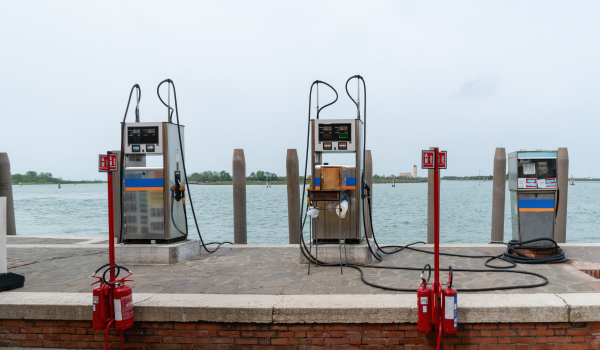
Before a commercial fishing vessel ever drops a net, it burns fuel, to reach the fishing grounds, to keep refrigeration running, to power hydraulics and navigation. For a mid-size trawler working the Atlantic, a single trip can require thousands of gallons of diesel. At $6 or more per gallon, that’s tens of thousands of dollars before a single fish is landed. Fuel used to represent about 20% of operating costs for most vessels. In recent years, that share has climbed to 40–50% or more, and for smaller independent operators, it can push even higher.
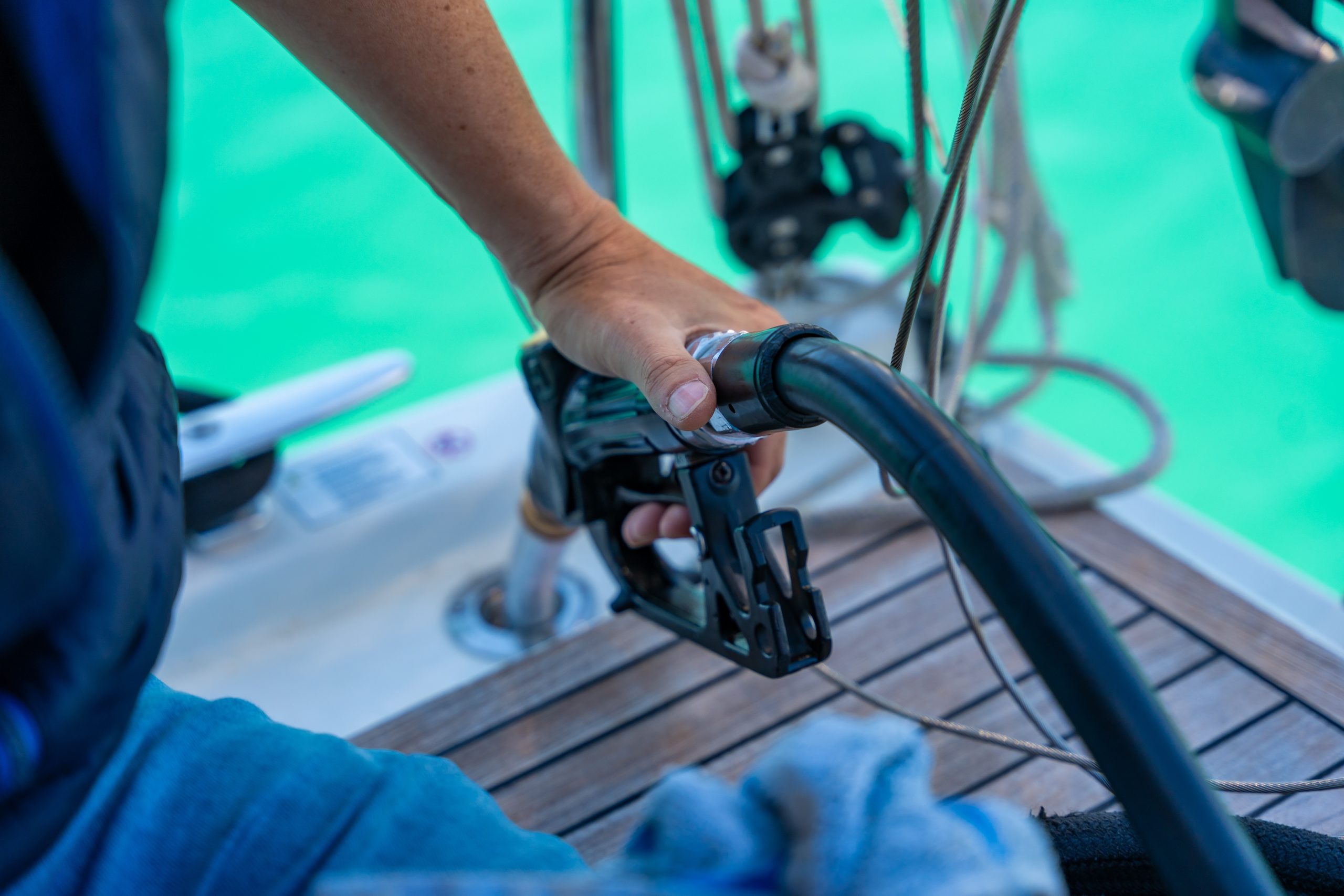
The math turns brutal fast. Catch prices don’t automatically rise when diesel does. The price of a pound of cod or shrimp at auction is set by global markets, not by what it cost to pull it from the water. A captain who spent $15,000 on fuel for a week-long trip needs a strong haul just to break even, let alone pay crew, cover maintenance, and service any boat loans. Fishermen are caught in a classic price-squeeze, costs up, revenue flat.
High fuel costs don’t stop at the hull. Processors and distributors pay more to refrigerate, truck, and ship product. Fish markets and restaurants watch wholesale prices climb and face a hard choice, raise menu prices and risk losing customers, or absorb the hit and shrink margins. Consumers ultimately see higher prices at the seafood counter. The irony isn’t lost on anyone in a coastal fishing town, the people who live closest to the water often can’t afford the fish that comes off the boats in their own harbor.
Recreational fishing is taking on water too. Running a 40-foot sportfishing boat for a day trip can burn 80–120 gallons of fuel. Charter captains have raised their rates, and some customers have walked away. Private boaters who used to fill a 150-gallon tank for $400 may now be looking at $700 or more. Many are going out less often, downsizing from offshore to nearshore trips just to cut consumption. Some have sold their boats altogether, quietly stepping away from a pastime that no longer pencils out.
The industry is adapting. Some commercial operations are retrofitting vessels with more fuel-efficient engines, shifting to species closer to port, or joining cooperatives to share costs. A small number are experimenting with alternative fuels, though infrastructure remains limited in most fishing ports.
The stakes extend beyond individual fishermen. In towns along the Atlantic, Gulf, and Pacific coasts, commercial fishing is an identity, a food system, and an economic backbone. Processing plants, ice houses, marine suppliers, boat yards, and gear shops all depend on active fleets. When boats don’t go out, those businesses feel it too. When fishermen exit the industry, which many are doing, the knowledge, the culture, and the working waterfronts they sustained begin to erode.
The tides will keep turning. Whether the fleet does the same depends, in part, on what happens at the pump.

You may be interested
North Carolina Marine Fisheries A System in Trouble: Chapter 5
Tim Wilson - September 18, 2026The Disappearing Working Waterfront A working waterfront is more than a place where boats are tied to a dock. It is a living connection between the people,…
The Best Lures For 2026 Fall Speckled Trout Fishing
Tim Wilson - September 18, 2026Cooler weather is here and that can only mean that Speckled Trout fishing is starting to boom. Take a look at 3 of the Carolina's most well…
From Spanish to Kings….How Long Will the Nearshore Mackerel Bite Last?
Tim Wilson - September 18, 2026September may signal the beginning of fall, but Carolina ocean waters don't suddenly cool because the calendar changes. For fishermen targeting Spanish and king mackerel, that means…
Most from this category