Tide Movement: ….Difference Between Fishing and Catching
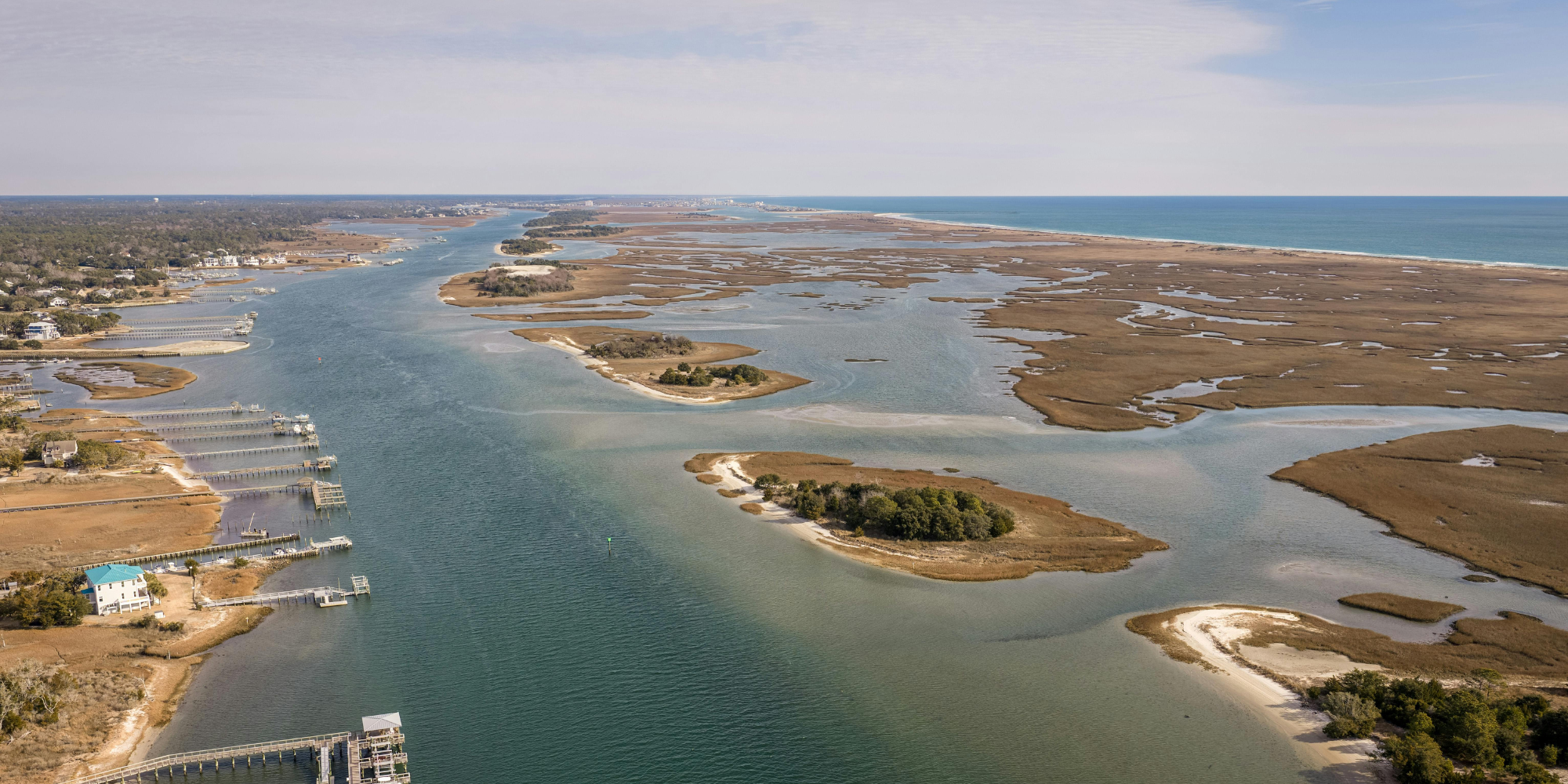
There’s a reason some boats come back with fish and others come back with stories. It’s not luck, and it’s not always bait. More often than not, it’s tide movement—and nearshore, it matters more than most anglers realize.
Too many people look at tide charts and treat them like a suggestion. High tide, low tide, somewhere in between—they go when they can go and hope for the best. That approach might work once in a while, but it won’t produce consistently. The anglers who stay on fish understand one thing clearly: movement is everything.
Nearshore water doesn’t have the same forgiveness as offshore. You’re dealing with structure that’s closer, bait that moves tighter, and fish that react quickly to changing conditions. When the tide starts moving, it pushes bait off structure, along ledges, and across any irregular bottom it can find. That movement creates opportunity. Predators don’t wander aimlessly—they position themselves where the current does the work for them.
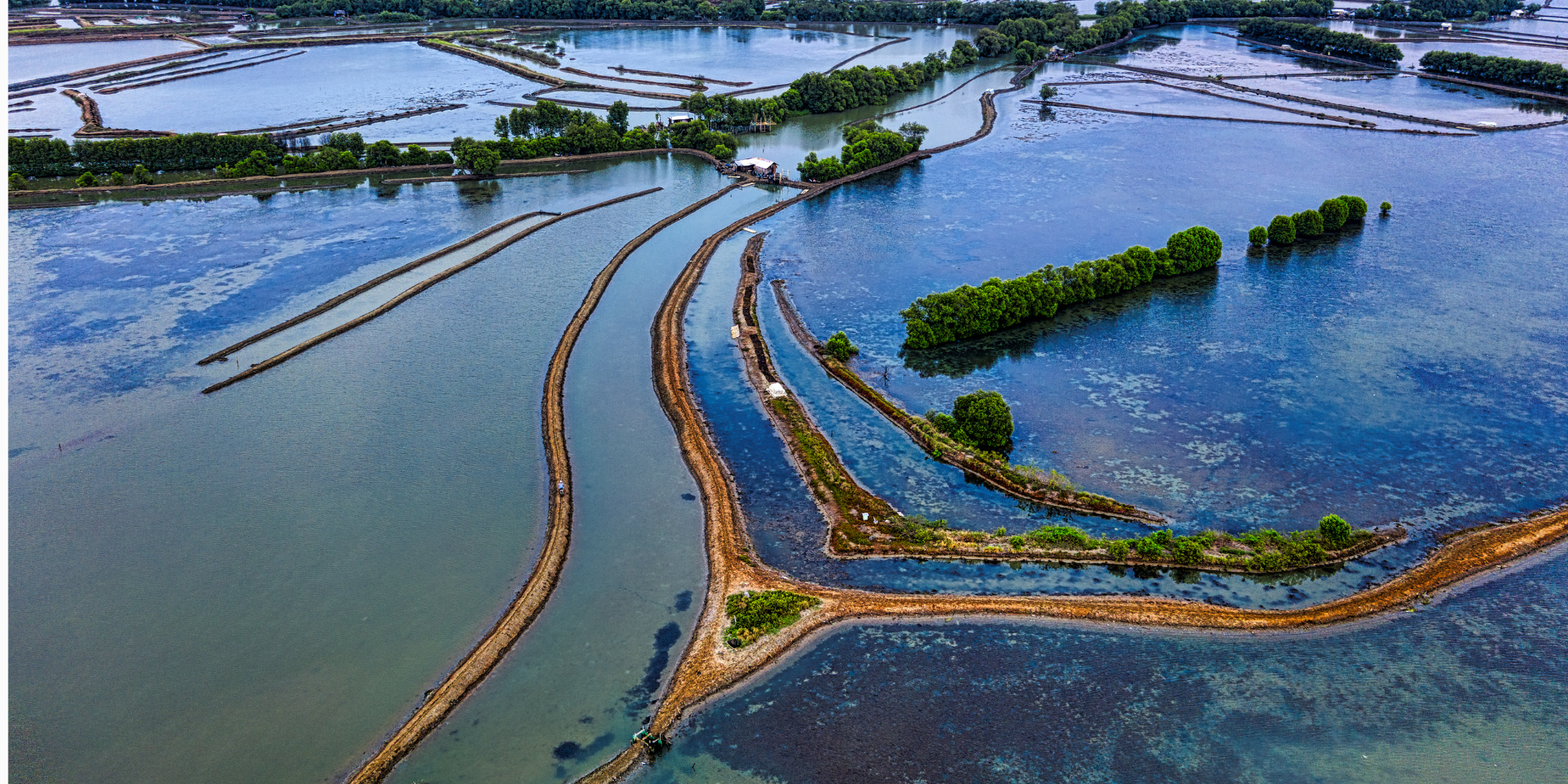
Slack tide is where most people lose the day. The water looks good, the conditions seem right, but nothing is happening. That’s because everything has stalled. Bait isn’t moving, and when bait isn’t moving, neither are the fish. You can change rigs, switch baits, and move spots, but until that water starts pushing again, you’re working against the conditions instead of with them.
The key is not just knowing the tide—it’s understanding how to fish the movement. Early outgoing tide can be one of the most productive windows nearshore. As water pulls off structure, bait gets exposed, and fish take advantage. The same goes for the first push of incoming water. That initial movement brings life back to areas that were dead just an hour before.
Positioning matters just as much as timing. You don’t want to sit on top of the structure and wait. You want to set up where the current is bringing the bait. Up-current positioning allows your presentation to move naturally with the flow instead of against it. That’s a detail that separates consistent anglers from the rest.
Another mistake is leaving too early. A slow start during slack tide doesn’t mean the area is dead. It means the conditions aren’t right yet. Anglers who understand tide movement are patient. They wait for that first sign of current and know that things can change quickly once it starts.
This isn’t complicated, but it does require discipline. You have to plan around the tide instead of forcing a trip into a time window that doesn’t match the conditions. When you do that, everything improves. Bait movement becomes predictable, fish positioning makes sense, and your results follow.
The difference between a slow day and a productive one nearshore often comes down to a simple decision—are you fishing the tide, or are you ignoring it? The anglers who pay attention to movement don’t guess. They time it, position correctly, and let the water do the work.
That’s when fishing turns into catching.
You may be interested

This Week’s Offshore Conditions Forecast
Tim Wilson - September 11, 2026The latest in offshore conditions. Click for full information. https://youtu.be/yJWJ_XJ7Aug https://youtu.be/b0SJPKj3fN8
A Carolina Coast Fishing Icon Passes….Captain Robbie Wolve
Tim Wilson - September 11, 2026The Carolina fishing community lost one of its own with the passing of longtime charter fisherman Captain Robbie Wolfe, who died peacefully at his Wilmington home on…

Catching GIANT Flounder Around Docks in NORTH CAROLINA
Tim Wilson - September 11, 2026Flounder are masters of disappearing, but Capt. Jot Owens knows exactly where to look. C.A. Richardson heads to Wrightsville Beach, North Carolina, to join renowned inshore guide…
Most from this category