Casting Under Docks, Limbs, and Structure
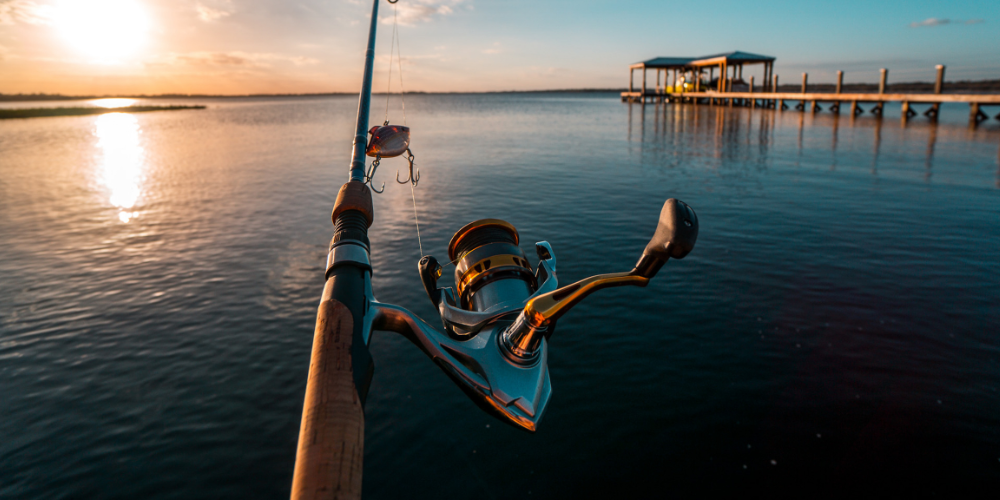
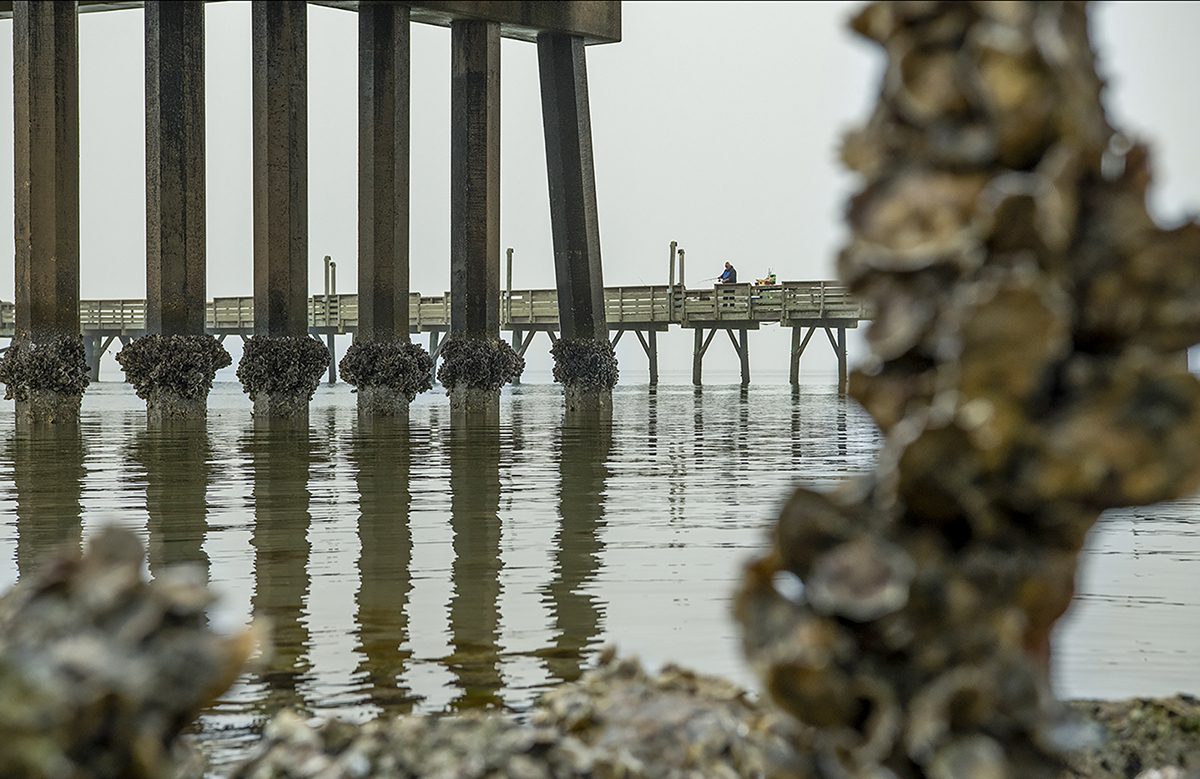
Fishing around low-hanging structure in both saltwater and freshwater is one of the most reliable ways to consistently find quality fish because it concentrates bait, shade, and ambush points in a small area. In freshwater, bass, crappie, and panfish often position themselves under docks, fallen trees, and overhanging limbs where they can feed without exposing themselves. In saltwater, similar behavior shows up with redfish, snook, speckled trout, tarpon, mangrove snapper, and juvenile grouper holding tight to docks, mangrove roots, bridge pilings, and any structure that breaks current and creates shadow lines. The common factor in both environments is simple: fish use structure as protection and as a place to intercept prey that drifts too close.
Success in these areas depends far more on placement than distance. Long casts are usually a disadvantage because they reduce accuracy and increase splash. The goal is controlled presentation, which is why pitching and flipping are the preferred methods. Pitching allows you to swing a bait under control into tight pockets beneath limbs or dock edges, while flipping gives even more precision by feeding line and lowering the bait directly into small openings without a traditional cast. In both saltwater and freshwater, the cleaner and quieter the entry, the more likely a fish is to commit.
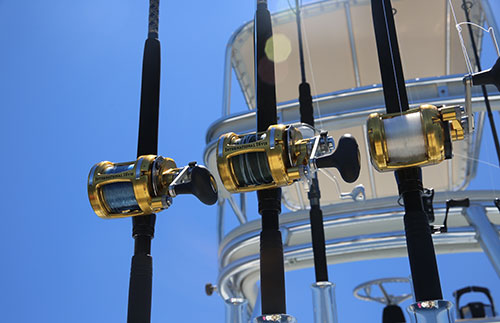
Gear needs to match the environment because fish in structure do not give long fights if you play them lightly. In freshwater, a medium-heavy rod paired with braided line in the 15 to 30 pound range is typically enough for most dock and timber situations. In heavier saltwater structure such as mangroves or barnacle-covered pilings, stronger setups with 30 to 65 pound braid and a powerful rod are often necessary to turn fish immediately before they wrap the line or break off in structure. The idea is control from the hookset forward, not a prolonged fight.
Lure selection should favor natural presentations that can move through tight cover without snagging. Texas-rigged soft plastics, compact creature baits, and paddle tails are effective in both freshwater and saltwater when fished slowly and precisely. Jigs with weed guards also excel when worked along dock edges or dropped beside pilings. In saltwater, live bait such as shrimp, pilchards, mullet, or pinfish can be extremely effective when presented under docks or along mangrove edges, while in freshwater live shiners or minnows often produce similar results under docks and shaded cover.
Presentation is critical once the bait hits the water. Fish under structure are sensitive to noise and sudden movement, so a quiet entry often determines whether you get a bite or spook the fish. After the bait lands, patience becomes important because many strikes happen on the fall or after the bait has paused in the strike zone. A slow, deliberate retrieve with small twitches and frequent pauses tends to work better than continuous movement because it imitates injured or disoriented prey.
In both freshwater and saltwater, current and shade dictate positioning. In saltwater, baits should be placed slightly upcurrent so they drift naturally into the target zone under docks or along structure. In freshwater, focusing on the strongest shade lines and transitions between light and dark water often reveals where fish are holding. The most productive anglers work each piece of structure slowly and completely rather than rushing to the next spot, because the best fish are often positioned in the tightest, most obvious-to-overlook locations.

You may be interested

This Week’s Offshore Conditions Forecast
Tim Wilson - September 11, 2026The latest in offshore conditions. Click for full information. https://youtu.be/yJWJ_XJ7Aug https://youtu.be/b0SJPKj3fN8
A Carolina Coast Fishing Icon Passes….Captain Robbie Wolve
Tim Wilson - September 11, 2026The Carolina fishing community lost one of its own with the passing of longtime charter fisherman Captain Robbie Wolfe, who died peacefully at his Wilmington home on…

Catching GIANT Flounder Around Docks in NORTH CAROLINA
Tim Wilson - September 11, 2026Flounder are masters of disappearing, but Capt. Jot Owens knows exactly where to look. C.A. Richardson heads to Wrightsville Beach, North Carolina, to join renowned inshore guide…
Most from this category