Summer Prep For Deer Season
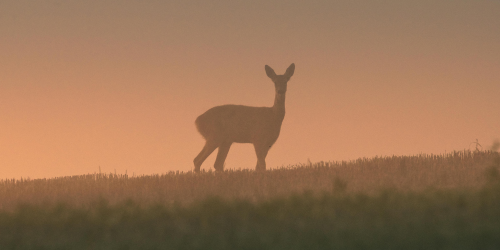
Successful off-season preparation separates lucky hunters from consistently productive ones. Managing a property, scouting, and maintaining gear year-round ensures a seamless autumn transition.
Here is your step-by-step instructional guide to mastering the hunting off-season.
Winter: Post-Season Scouting
The weeks immediately following the season offer the best time to read the woods.
-
- Map heavy trails: Look for deeply cut paths in snow or mud.
- Locate bedding areas: Identify thick cover where mature bucks hide.
- Mark fresh rubs: Document rubs and scrapes while they are highly visible.
- Deploy trail cameras: Leave cameras on winter food sources to inventory surviving bucks.
Spring: Habitat & Land Management
Spring is the time to improve the local habitat and keep deer on your property.
-
- Plant food plots: Sow high-protein clover, chicory, or soybeans for antler growth.
- Hinge-cut timber: Cut trash trees halfway through to create immediate bedding cover.
- Create mineral stations: Establish legal mineral licks to aid doe lactation and buck antler development.
- Clear shooting lanes: Trim new spring growth around your favorite tree stand locations.
Summer: Practice & Physical Fitness
Summer focuses on sharpening your personal shooting skills and physical conditioning.
-
- Shoot 3D targets: Practice with your bow or rifle from realistic hunting angles, not just flat benches.
- Exercise consistently: Focus on cardio and core strength to prepare for heavy packing and steep climbs.
- Vary your distances: Practice shooting at unknown distances to build solid muscle memory.
- Dial in gear: Test different arrow weights or rifle grain loads to find the tightest group.
Late Summer: Gear & Logistics
August is the deadline to fix mechanical issues before the woods quiet down for opening day.
-
- Inspect tree stands: Replace weathered ratchet straps and grease squeaky metal hinges.
- Scent-control clothing: Wash all hunting clothes in UV-free, scentless detergent and store them in airtight bins.
- Check safety harnesses: Inspect all fall-arrest systems for frayed stitching or sun damage.
- Gather permissions: Secure private land hunting leases or knocking on doors for landowner handshakes.

You may be interested
Cold Water, Hot Bite: Late Fall Inshore Fishing in the Carolinas
Tim Wilson - October 30, 2026Every November there’s a morning when the air bites differently. The marsh grass has gone gold, the mullet are gone, and the water is clear enough to…

Three Ways to Make Your Offshore Trip Count
Tim Wilson - October 30, 2026Four hours of trolling without a strike can make an offshore fishing crew start watching the clock. You have already made the run, burned the fuel, and…
What Harvest Data Can Tell You About Deer Hunting
Tim Wilson - October 30, 2026How many times do you head to the woods before you get a shot at a deer? Most hunters have never counted, but state wildlife agencies have.…
Most from this category