Three Redfish Rigs Every Carolina Angler Should Know
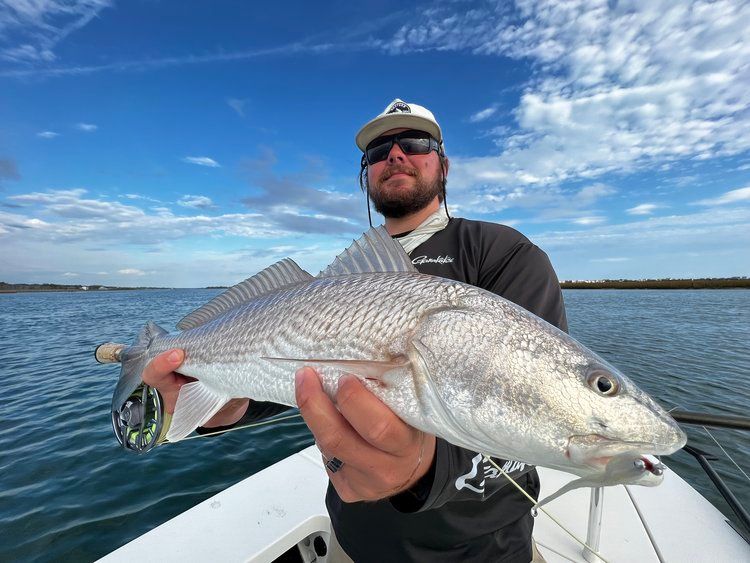
Redfish are among the most popular saltwater gamefish found along the Carolina coast. Whether you’re fishing the marshes of the Cape Fear region, working oyster beds along the Intracoastal Waterway, or targeting bull reds near an ocean inlet, success often comes down to using the right bait rig for the conditions.
Over the years, I’ve learned that complicated doesn’t always mean better. In fact, three simple rigs will cover just about every redfish situation you’ll encounter in North and South Carolina.
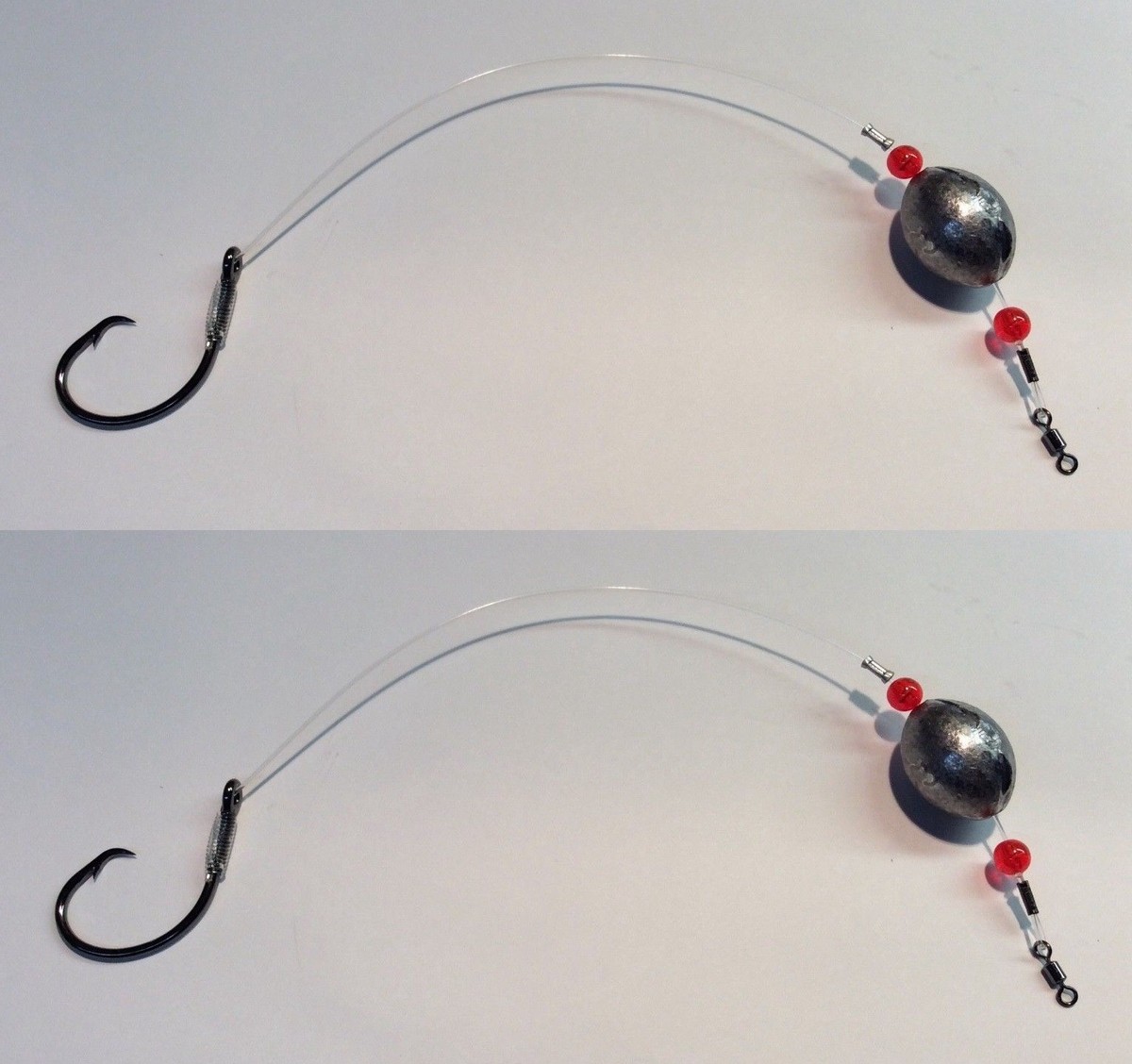
The first is the dependable Carolina rig. If I were forced to choose only one rig for redfish, this would be it. The setup is simple: an egg sinker slides on the main line above a swivel, followed by an 18- to 24-inch fluorocarbon leader and a circle hook. The beauty of the Carolina rig is its versatility. It works around docks, creek mouths, oyster rocks, and channel edges where redfish spend much of their time feeding. Live shrimp, finger mullet, mud minnows, and cut bait all work well. The sinker keeps the bait near the bottom while allowing it to move naturally with the current, making it irresistible to hungry reds.
The second rig every angler should have in their tackle box is a popping cork rig. This setup shines in shallow water, especially around flooded grass flats and marshes during high tide. The popping cork creates noise and disturbance on the surface, mimicking feeding fish. That sound often attracts redfish from surprising distances. A leader of 18 to 30 inches beneath the cork with a live shrimp or finger mullet can produce explosive strikes. It’s one of the most exciting ways to target redfish because you never know when a bronze-backed fish will suddenly appear and crush your bait.
The third rig is the fish finder rig, a favorite among anglers targeting larger redfish around inlets and beachfronts. The sliding sinker setup allows a fish to take the bait without immediately feeling resistance. This is particularly important when fishing cut mullet or menhaden for bull reds. The fish finder rig excels in strong current and deeper water where heavier sinkers are needed to hold bottom. During the fall migration, when large schools of redfish move along the beaches and gather around inlet mouths, this rig can produce some unforgettable battles.
The truth is that successful redfish fishing isn’t about owning dozens of specialized rigs. It’s about understanding where fish are feeding and presenting a natural bait in a way that looks easy to eat. Whether you’re drifting a live shrimp beneath a popping cork, soaking cut bait in an inlet, or working a Carolina rig along an oyster edge, these three proven setups continue to put Carolina redfish in the boat year after year.
Keep it simple, trust the basics, and let the redfish do the rest.
You may be interested

This Week’s Offshore Conditions Forecast
Tim Wilson - September 11, 2026The latest in offshore conditions. Click for full information. https://youtu.be/yJWJ_XJ7Aug https://youtu.be/b0SJPKj3fN8
A Carolina Coast Fishing Icon Passes….Captain Robbie Wolve
Tim Wilson - September 11, 2026The Carolina fishing community lost one of its own with the passing of longtime charter fisherman Captain Robbie Wolfe, who died peacefully at his Wilmington home on…

Catching GIANT Flounder Around Docks in NORTH CAROLINA
Tim Wilson - September 11, 2026Flounder are masters of disappearing, but Capt. Jot Owens knows exactly where to look. C.A. Richardson heads to Wrightsville Beach, North Carolina, to join renowned inshore guide…
Most from this category