Spring Striper And The River
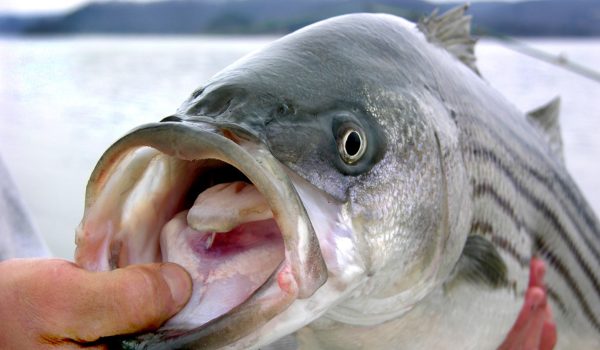
Long before the roads came through and the towns filled in along the Carolina coastal plain, the striped bass were already making their run. The Roanoke, the Neuse, and the Tar-Pamlico had been receiving fish every spring for thousands of years, and the people who lived along their banks had built their lives around that fact. The Algonquian tribes netted rockfish in the shallows, smoked them over open fires, and understood the rhythm of the run the way a farmer understands the rhythm of the seasons. The fish came, and then they left, and then they came again.
The English colonists who arrived near Roanoke Island in the late 1500s found the fishing extraordinary. Early accounts described waters so thick with striped bass that the fish seemed inexhaustible, a hook, a line, a piece of cut bait, and patience were sufficient. The colonists ate rockfish through the winters and sent word back across the Atlantic that the new world was a place of almost impossible abundance.
For two centuries the rockfish ran unchallenged. Commercial netters worked the river mouths in spring, hauling enormous catches that fed lumber camps and the growing port towns of New Bern and Edenton. The fish were not a luxury, they were protein, reliable and seasonal and free for the taking to anyone willing to work a net before sunrise.
The dams changed everything. The construction of Roanoke Rapids Dam in 1955 blocked the historic spawning migration of the Roanoke River stripers, fish that had run three hundred miles inland to spawn were suddenly stopped cold. Spawning success collapsed, harvest continued, and the numbers fell in a way that took a generation to fully understand and another generation to begin addressing.
What saved the striper was a combination of intervention and stubbornness. Biologists with the Wildlife Resources Commission began trapping ripe fish below the dam, collecting eggs and milt and raising fingerlings in hatcheries, then stocking them throughout the reservoir system. Landlocked populations established themselves in Kerr and Gaston reservoirs, creating an entirely new fishery that drew anglers from across the Southeast.
The coastal river populations were harder to restore. By the 1980s the Albemarle Sound stock was in serious decline, the state implemented harvest restrictions through the 1990s, reduced bag limits, strict size slots, slow and careful work whose results came slowly too.
Today the rockfish exists in managed tension. The Roanoke still receives a spring run of wild stripers, though the season is tightly controlled, one month, one fish, strict slot limits, a far cry from the open harvests of a century ago.
The fish that comes up the Neuse in April is the same fish in every way that came up before the roads and the dams and the regulations. What has changed is everything around it. The rockfish survived because enough people decided it was worth the inconvenience of saving, that decision gets renewed every spring, one careful season at a time.

You may be interested
North Carolina Marine Fisheries A System in Trouble: Chapter 5
Tim Wilson - September 18, 2026The Disappearing Working Waterfront A working waterfront is more than a place where boats are tied to a dock. It is a living connection between the people,…
The Best Lures For 2026 Fall Speckled Trout Fishing
Tim Wilson - September 18, 2026Cooler weather is here and that can only mean that Speckled Trout fishing is starting to boom. Take a look at 3 of the Carolina's most well…
From Spanish to Kings….How Long Will the Nearshore Mackerel Bite Last?
Tim Wilson - September 18, 2026September may signal the beginning of fall, but Carolina ocean waters don't suddenly cool because the calendar changes. For fishermen targeting Spanish and king mackerel, that means…
Most from this category