Redfishing In The Surf….The Early Summer Species
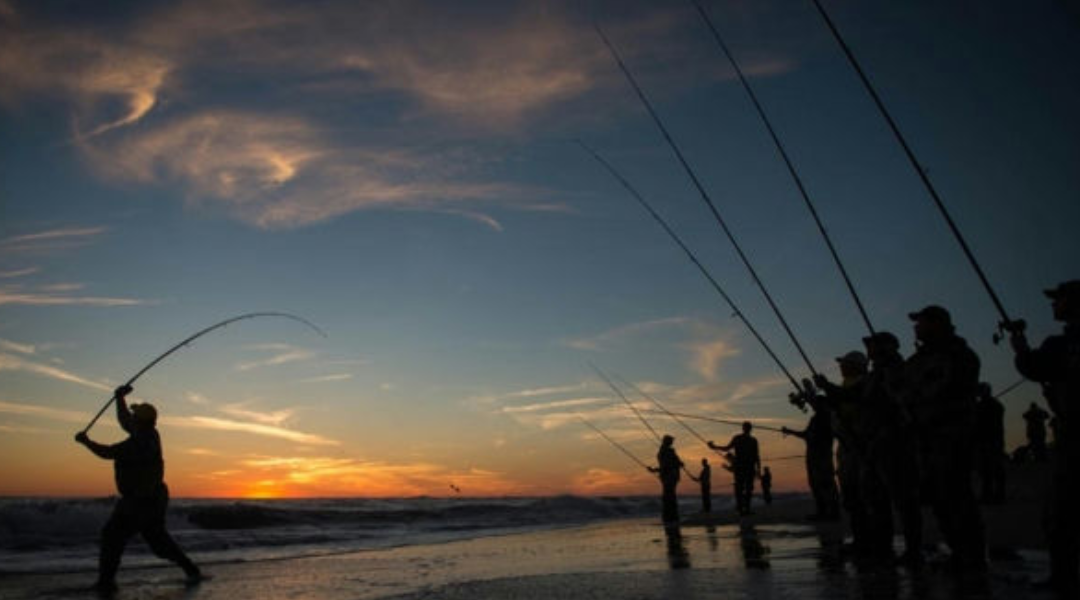
Early summer on the Carolina coast belongs to the redfish. From the Outer Banks down through the Grand Strand, red drum move into the surf zone as water temperatures climb through the mid-60s into the low 70s, pushing bait onto the beaches and sandbars. This is one of the most accessible and addictive fisheries on the East Coast, and all you need is a rod, a cooler, and the willingness to get your feet wet.
The fish show up in the wash. Redfish in the surf are hunting, moving with the tide through cuts, troughs, and along the edges of sandbars where baitfish, crabs, and shrimp concentrate in the moving water. Reading the beach is half the battle. You are looking for that darker strip of water running parallel to shore, the trough where waves don’t break quite as hard. That is where the reds feed. Find the cut where water drains back out through a sandbar and you have found a highway. Set up there and be patient.
Gear does not need to be complicated. Most Carolina surf fishermen run a medium-heavy rod in the ten to twelve foot range, paired with a quality spinning reel loaded with twenty to thirty pound braid. A fishfinder rig is the standard setup, a sliding egg sinker above a swivel, a short fluorocarbon leader, and a circle hook in the 4/0 to 6/0 range. The weight keeps your bait in the trough without dragging it out of position.
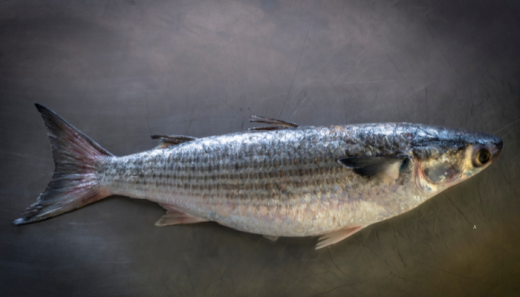
Bait is where it gets local. Fresh cut mullet is the top producer, and in early summer the finger mullet are just starting to show up in the surf, which is no coincidence. Cut a chunk, leave the skin on, and cast it into the trough. Fresh shrimp works nearly as well, and fresh cut menhaden, pogies, will draw strikes when nothing else will. Artificial lures like gold spoons and soft plastic paddle tails can be deadly during early morning hours when redfish are actively pushing bait in the wash, but live or fresh cut bait is the most consistent producer.
The bite has a rhythm to it. The two hours before and after a moving tide are your best windows. Incoming tide floods the troughs and pushes bait up tight to the beach. Outgoing tide concentrates everything in the cuts as water drains back through the bars. Slack tide can go quiet. Work with the water, not against it.
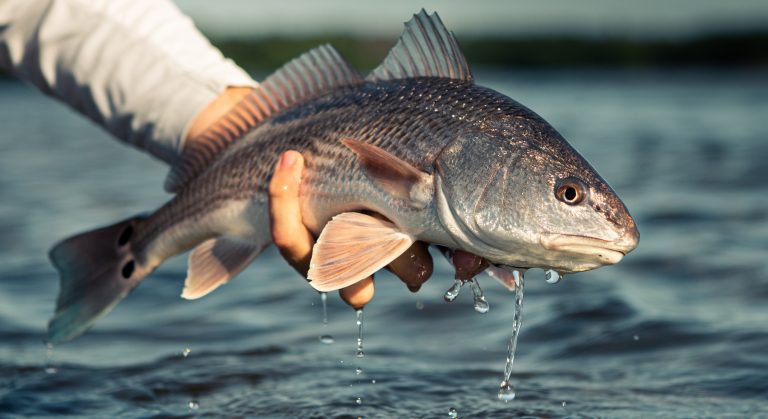
When a red hits in the surf it is not subtle. The rod loads up hard, the drag ticks, and the fish peels toward the bar. Redfish are not acrobats, they are freight trains. They put their head down and pull, and in the moving white water of a Carolina surf zone, that first run can surprise even experienced anglers. They are also beautiful fish, copper-sided and heavy-shouldered, with that signature black spot near the tail.
Early summer, low light, moving tide, fresh cut mullet in the trough. That is all it takes.
You may be interested
This Week’s Offshore Conditions Forecast
Tim Wilson - September 25, 2026The latest in offshore conditions. Click for full information. https://youtu.be/SZ3JnOloRHE?si=zuBbxUQhw3Gcah63 https://youtu.be/o03wbLuGckI?si=FL1jlf_-gvISsJ8O
Trust and the Future of North Carolina’s Fisheries……Chapter 6
Tim Wilson - September 24, 2026The conflict surrounding North Carolina’s marine fisheries has never been only about fish. For many fishermen, it is also about whether the people making decisions understand what…

An Angler Looks At 70
Tim Wilson - September 24, 2026Growing up in the foothills of North Carolina, fishing was a far cry from fishing on the Carolina coast. However, fishing in my early years is something…
Most from this category

Early Deer Season…. Why September Whitetails Require a Different Strategy
Tim Wilson - September 24, 2026
Follow the Bait….Follow the Bait: Why Finger Mullet Can Tell You Where the Fish Are
Tim Wilson - September 24, 2026