The Last Line of Defense — Choosing the Right Saltwater Fishing Line
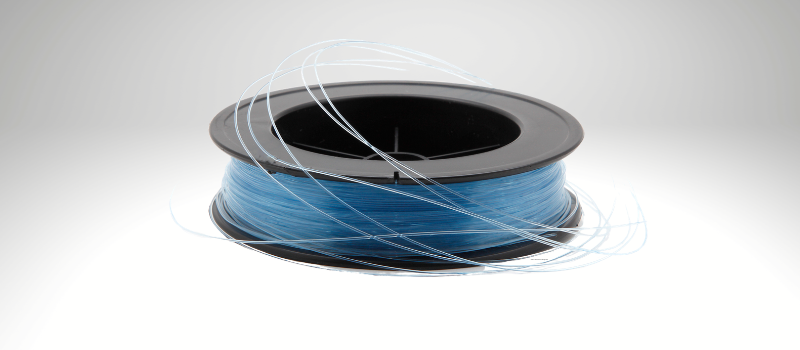
It is one of the most overlooked decisions in saltwater fishing, and one of the most consequential. Rods get admired, reels get debated, lures get obsessed over, but fishing line is the only thing between you and the fish. Get it wrong and nothing else matters. In saltwater, where fish are bigger, runs are longer, and the environment itself is corrosive, the stakes are even higher.
There are three main types of fishing line: monofilament, fluorocarbon, and braided line. Each has a place in saltwater. Understanding why is what separates anglers who lose fish from anglers who land them.
Monofilament remains widely used in saltwater and for good reason. It is affordable, easy to handle, and its natural stretch, around twenty to twenty-five percent, acts as a shock absorber when a bull redfish surges through the surf or a king mackerel makes a last-second run at the boat. That stretch makes mono forgiving, which is why it works well for surf fishing, pier fishing, and floats and popping cork rigs in the inshore marshes. Its weaknesses in saltwater are real though. UV exposure degrades it fast in the Carolina sun, salt and sand work into the line over time, and mono left on a reel through a full season is asking for a break-off at the worst possible moment. Change it every season without exception.
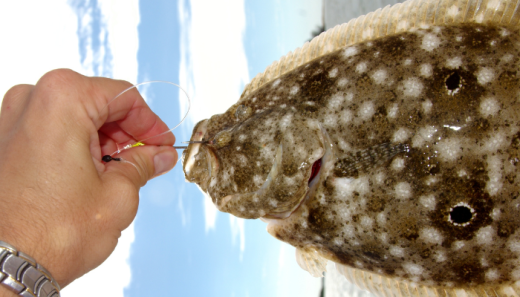
Fluorocarbon is the specialist. Nearly invisible underwater, with a refractive index close to water itself, it is the premier leader material for clear saltwater situations. Spooky redfish on a flat, wary flounder in gin-clear creek water, cautious sheepshead around a piling, these fish see everything. A fluorocarbon leader in the eighteen to thirty pound range between your braid and your hook can be the difference between a bite and nothing. Fluorocarbon also holds up better against abrasion from oyster bars, dock pilings, and rough structure than mono does. Most saltwater anglers do not spool full reels with fluorocarbon due to cost and stiffness, but they never leave the dock without it rigged as a leader.
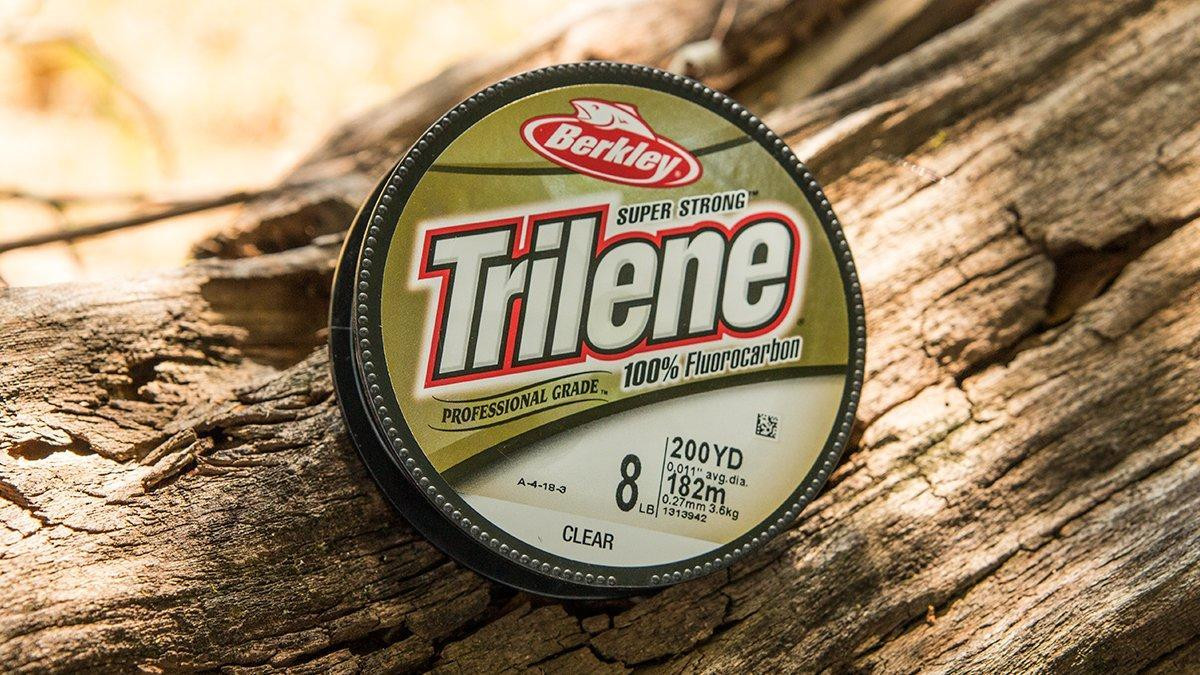
Braided line is the backbone of modern saltwater fishing. No stretch means you feel everything, the tap of a flounder, the thump of a pompano, the pick-up of a speckled trout in two feet of water. Its thin diameter for its breaking strength allows longer casts in the surf, more line capacity on smaller reels, and the ability to drive hooks home on long-distance strikes. Thirty to sixty five pound braid covers most Carolina inshore and nearshore situations. Offshore, heavier braid in the sixty five to one hundred pound class handles yellowfin, mahi, and wahoo without question.
Common mistakes show up constantly. Fishing too heavy is the most widespread. Anglers assume heavier line means landed fish, but in clear saltwater it means fewer bites and unnatural presentation. Match the line to the fish and the conditions. Another costly mistake is skipping the fluorocarbon leader. Braid is highly visible and has zero abrasion resistance against rough structure. Without a leader you are gambling. Neglecting to rinse reels and line with fresh water after every trip also breaks line down faster than most anglers realize.
Learn your knots. The Palomar, the improved clinch, and the uni-to-uni for connecting braid to fluoro leaders. A perfect setup with a bad knot loses the fish every time. In saltwater, that fish of a lifetime does not give you a second chance.
You may be interested
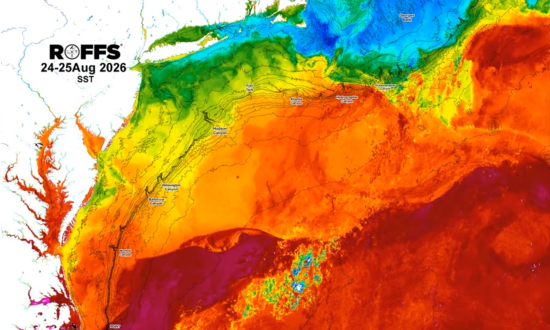
This Week’s Offshore Conditions Forecast
Tim Wilson - September 25, 2026The latest in offshore conditions. Click for full information. https://youtu.be/SZ3JnOloRHE?si=zuBbxUQhw3Gcah63 https://youtu.be/o03wbLuGckI?si=FL1jlf_-gvISsJ8O
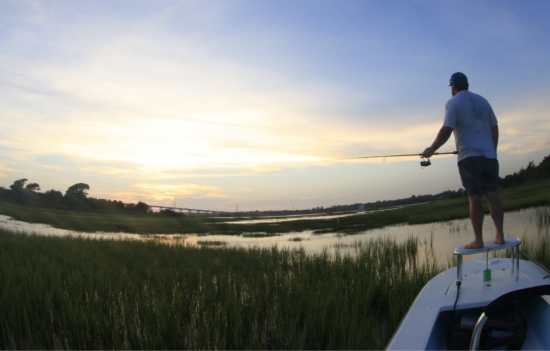
Trust and the Future of North Carolina’s Fisheries……Chapter 6
Tim Wilson - September 24, 2026The conflict surrounding North Carolina’s marine fisheries has never been only about fish. For many fishermen, it is also about whether the people making decisions understand what…
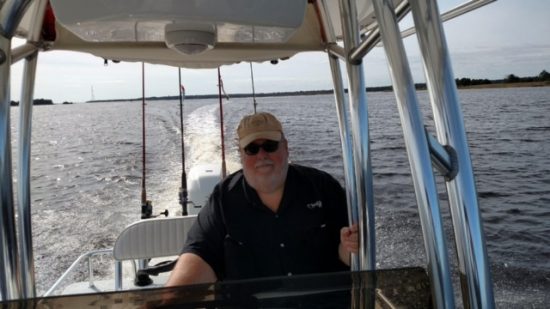
An Angler Looks At 70
Tim Wilson - September 24, 2026Growing up in the foothills of North Carolina, fishing was a far cry from fishing on the Carolina coast. However, fishing in my early years is something…
Most from this category
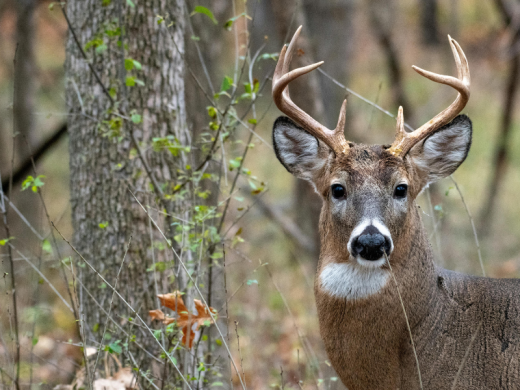
Early Deer Season…. Why September Whitetails Require a Different Strategy
Tim Wilson - September 24, 2026
Follow the Bait….Follow the Bait: Why Finger Mullet Can Tell You Where the Fish Are
Tim Wilson - September 24, 2026