Winter Fishing In the Carolinas
For many anglers, winter marks the end of fishing season. Boats are winterized, tackle gets reorganized, and attention shifts to waiting on spring. But seasoned Carolina anglers know a different truth.
Winter isn’t the end of the season.
Winter is when the best fishing often begins.
As water temperatures fall, fish behavior becomes more predictable. Instead of roaming large areas, bait and gamefish concentrate in deeper holes, along structure, and within protected creeks. The result? Fewer bites perhaps, but heavier fish, cleaner patterns, and far less competition on the water.
Across North and South Carolina, winter offers exceptional opportunities for anglers willing to slow down and fish smarter.
North Carolina’s Cold-Season Gems
The Lower Cape Fear River, stretching from Wilmington to Southport, quietly becomes one of the most dependable winter fisheries in the state. Striped bass hold in deep bends. Black drum prowl channel edges. Redfish and speckled trout stack near docks, bridges, and structure. On a calm winter afternoon with moving tide, this river can fish like a private sanctuary.
Nearby, the creeks and inlets of Wrightsville Beach, Masonboro, and Topsail often produce some of the largest speckled trout of the year. Winter trout relate tightly to deep bends, oyster edges, and shaded structure. Slow presentations with soft plastics or suspending plugs can produce quality fish that rarely show themselves during the chaos of summer.
Further inland, New Bern and the Neuse River system have built a reputation as one of North Carolina’s most reliable winter trout fisheries. The Neuse and Trent Rivers consistently hold speckled trout and redfish throughout the cold months. Light tackle, patience, and finesse presentations are often rewarded with outstanding catches.
Then there is Pamlico Sound, Hatteras, Engelhard, and Stumpy Point, legendary winter water. Each year, anglers travel long distances to pursue trophy speckled trout and roaming redfish schools across these shallow flats. Clear water, grass-lined shorelines, and vast open spaces make winter fishing here feel more like stalking than casting.
South Carolina’s Lowcountry Advantage
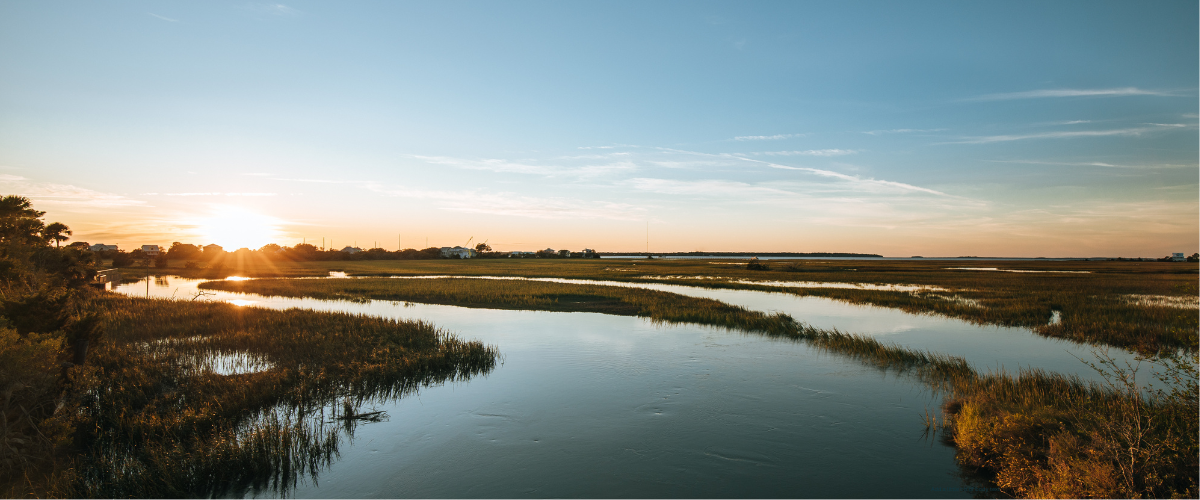
South Carolina’s coastal waters offer equally impressive winter fishing. Winyah Bay near Georgetown becomes a sanctuary for redfish, trout, and black drum during the colder months. The expansive estuary system provides stable temperatures and predictable holding areas, allowing anglers to target fish concentrated in creeks and deeper channels.
Charleston Harbor and the surrounding Cooper, Ashley, and Wando Rivers offer consistent year-round opportunities. Redfish hold tight to docks, bridge pilings, and current breaks. Sheepshead become a prime winter target around structure. And during warming trends, speckled trout often push back into protected creeks to feed.
Farther south, the Beaufort and Port Royal Sound area may offer some of the best winter redfishing on the East Coast. Clear water allows for sight-fishing opportunities even in January. On warming flats, redfish can be seen tailing, cruising oyster points, and feeding aggressively, a rare and unforgettable winter experience.
No Offseason for Inland Anglers
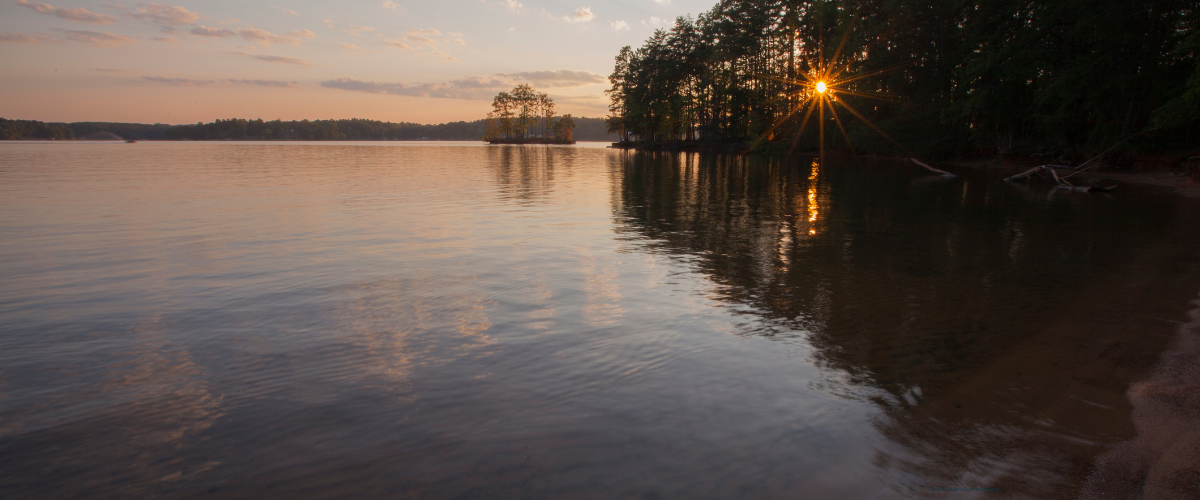
Freshwater fishing doesn’t slow down in winter, it simply changes.
Lakes such as Norman, Gaston, Murray, Hartwell, and Santee Cooper continue producing excellent winter catches for bass, stripers, crappie, and catfish. Deep structure, channel edges, and warm-water discharges become prime holding zones. Slow presentations, vertical jigging, and live bait tactics often shine.
In the mountains, trout streams like the Tuckasegee and Nantahala remain productive, especially during sunny midday periods when water temperatures rise slightly and trigger feeding activity.
The Winter Advantage
Winter fishing demands patience and discipline. Slower retrieves. More attention to tides, structure, and temperature. Fewer casts made in haste, and more casts made with intention.
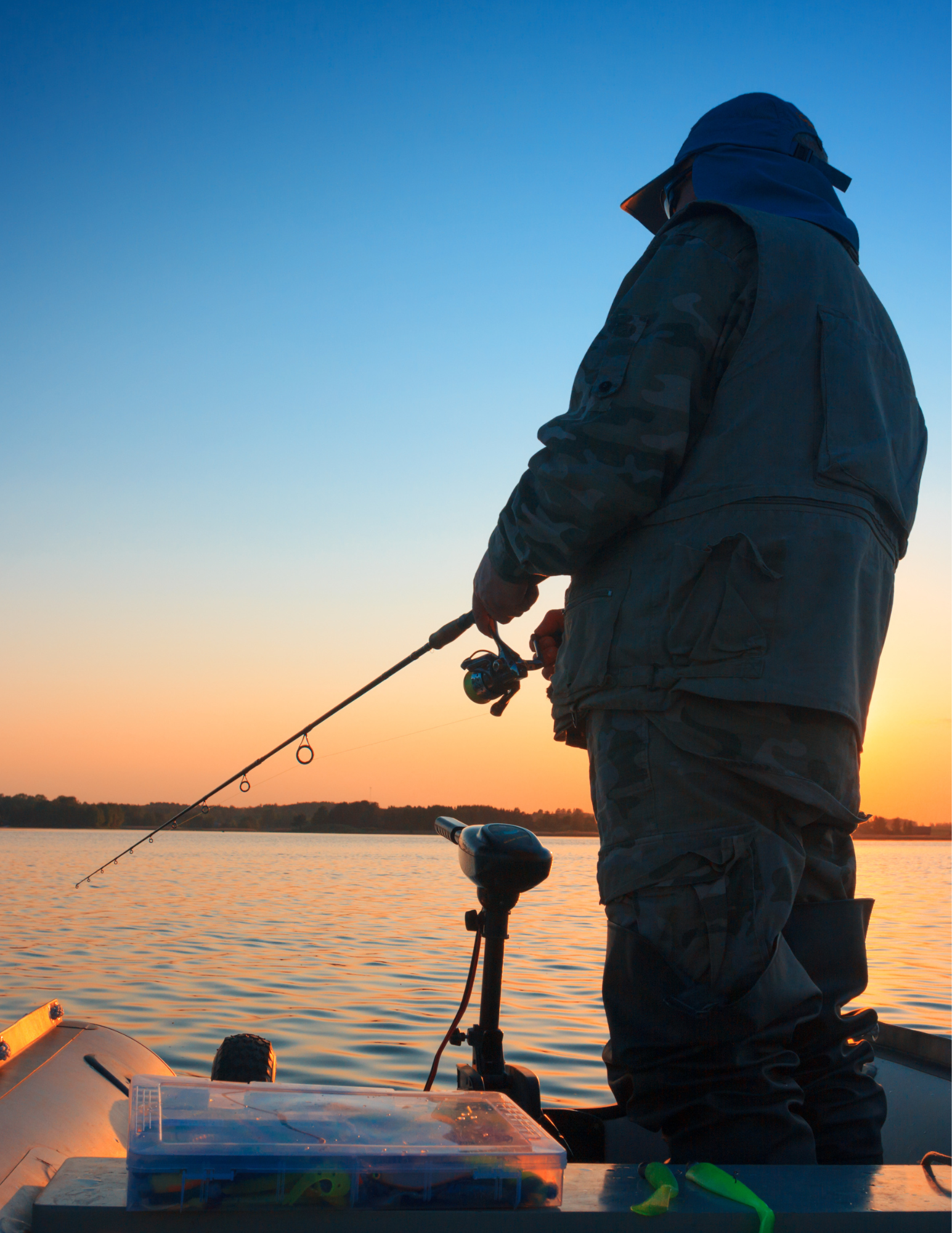
But the rewards are real: bigger fish, lighter pressure, quieter water, and a deeper connection to the rhythms of Carolina fisheries.
There is no true offseason for those who love the water. There are only changing patterns. And for anglers willing to adapt, winter in the Carolinas doesn’t represent the end of something, it represents opportunity.
While others wait on spring, the best anglers are still on the water, breath visible, hands cold, rods bent, enjoying some of the most honest fishing the year has to offer.
Story By: Captain Tim Wilson
You may be interested
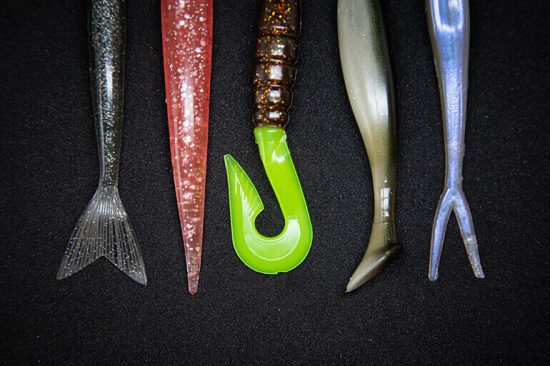
Soft Plastics….A Winter Fishing Tactic
Tim Wilson - February 8, 2026Winter fishing with plastic baits is a game-changer when it comes to inshore cold-water fishing. Even in warm regions like the Charleston Lowcountry, the winter months require…
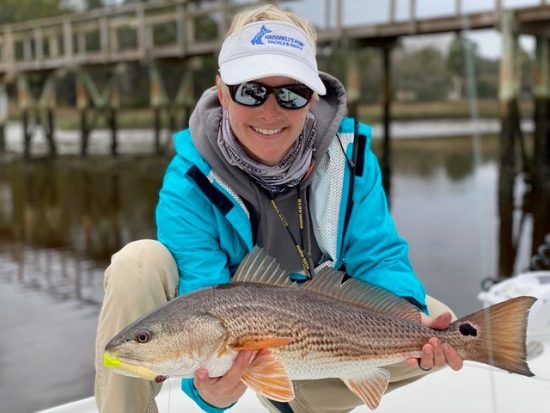
Dock Fishing For Winter Reds…Slow It Down
Tim Wilson - January 21, 2026With the fishing winter pattern still a factor for a few more months, fishing around docks can be a strategy that makes or breaks a day of…
What’s on the line? Atlantic Bluefin Tuna
Tim Wilson - January 21, 2026The Atlantic bluefin tuna season ranks high enough up on the fishing world calendar that the fish even has two of its own television shows. This species…
Most from this category