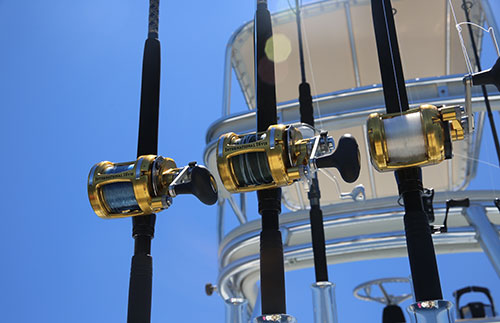
Gulf Flounder Fishing….It’s Almost That Time
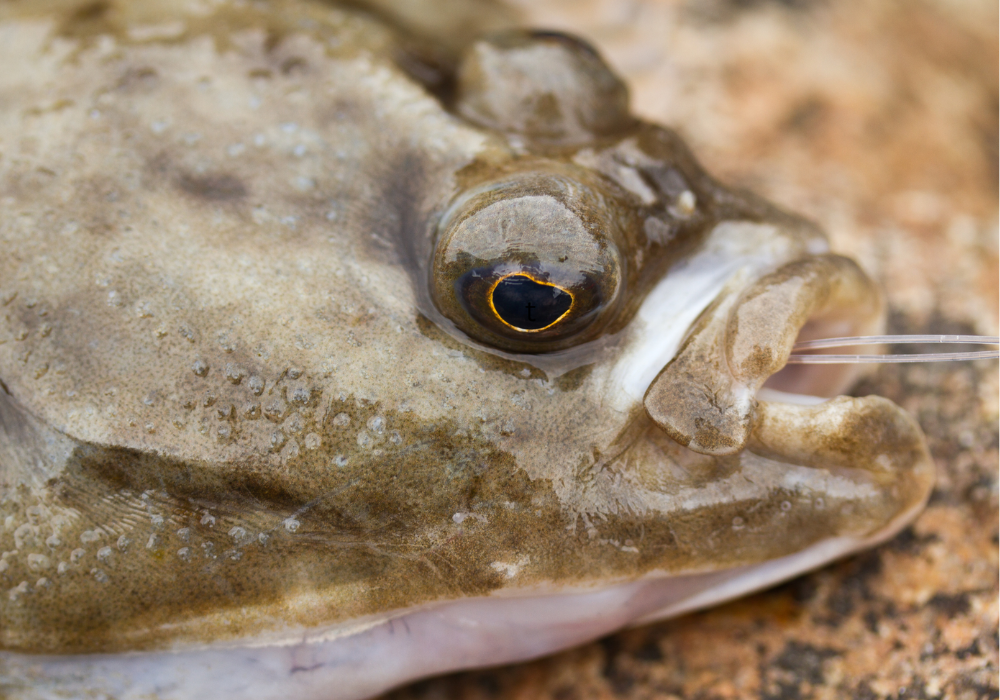
Gulf flounder fishing is one of those pursuits that appears deceptively simple, drop bait to the bottom and wait, yet it consistently rewards anglers who understand the finer points.
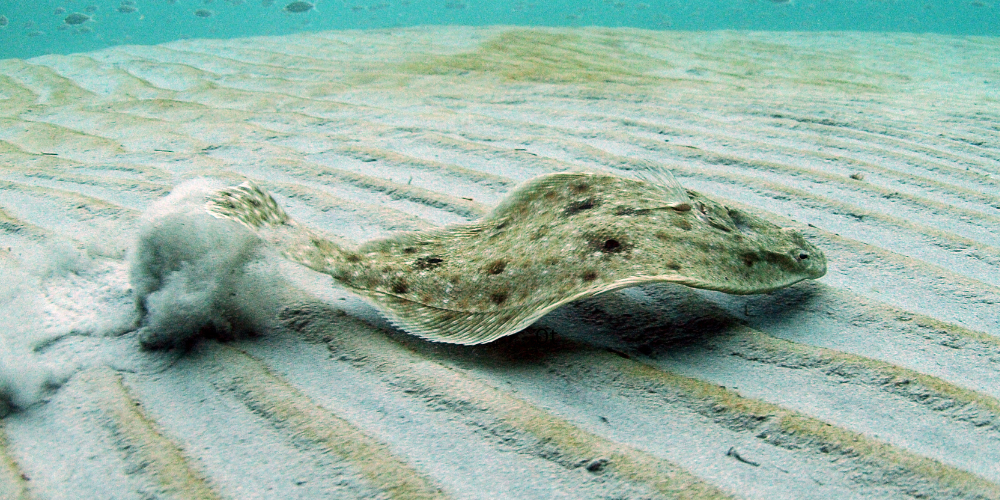
Flounder are textbook ambush predators, masters of stillness and camouflage. They lie buried or motionless along sandy patches, channel edges, drop-offs, and structure transitions, waiting for an easy meal to drift within striking range. Consistent success begins with understanding positioning rather than simply “finding fish.” In bays, sounds, and nearshore waters, Gulf flounder gravitate toward current breaks, creek mouths, passes, docks, jetties, ledges, and subtle bottom contours. Anywhere moving water funnels bait becomes a feeding lane. Productive flounder anglers learn to read water flow, not just depth charts.
Presentation is everything because flounder feed tight to the bottom. Proven rigs like Carolina setups, jigheads, and sliding sinker rigs endure for a reason: they keep bait in the strike zone. The objective isn’t flashy finesse, it’s disciplined bottom contact. Slow drags, subtle hops, and controlled drifts routinely outperform aggressive retrieves. Live bait has earned its reputation honestly. Mud minnows, finger mullet, small menhaden, and shrimp excel because they behave naturally in current. Artificial lures, however, are hardly second-tier options. Paddle tails and jerk shads, worked patiently along the bottom, can be equally deadly. In flounder fishing, speed and placement usually outweigh color debates.
Perhaps the most defining characteristic of flounder fishing is the bite itself. Rarely violent, more often a faint tap or sudden “weight.” Experienced anglers resist the reflexive hookset. Flounder commonly grab, reposition, then commit. That brief pause, often
just a second or two, separates clean hookups from frustrating misses.
Seasonal movements add another layer. In many Gulf regions, cooler months pull fish toward passes and deeper staging areas, while warmer periods scatter them throughout estuaries and shallow feeding zones. These patterns shift by location, reinforcing the value of observation and regional knowledge. Tackle choices quietly influence results as well. Medium-light to medium rods with sensitive tips allow anglers to detect those signature “nothing happened, but something changed” bites. Braided line enhances feel and bottom awareness, while fluorocarbon leaders add abrasion resistance around structure. Even boat control matters. A sloppy drift pulls baits out of the strike zone, while a controlled presentation keeps offerings where flounder live, inches above the bottom.

You may be interested
A Complete Guide to Buying the Right Turkey Hunting Shotgun, Including Red Dot Sights
Tim Wilson - March 28, 2026Turkey hunting demands precision, patience, and the right equipment. Choosing the right shotgun setup can make all the difference in the field. At Carolina Caliber Company, hunters…
Hooked On the Pamlico….The Spring Striper Run
Tim Wilson - March 28, 2026Each spring something remarkable happens along the banks of the Roanoke River. As winter slowly fades and the first warm days of March arrive, thousands of powerful…
The Creek Doesn’t Care…Know What Expert Anglers Know
Tim Wilson - March 28, 2026There is a particular kind of confidence that lives inshore. It rides comfortably in bay boats, speaks with authority about creeks and oyster bars, and carries an…
Most from this category