Bonito Fishing For Rookies
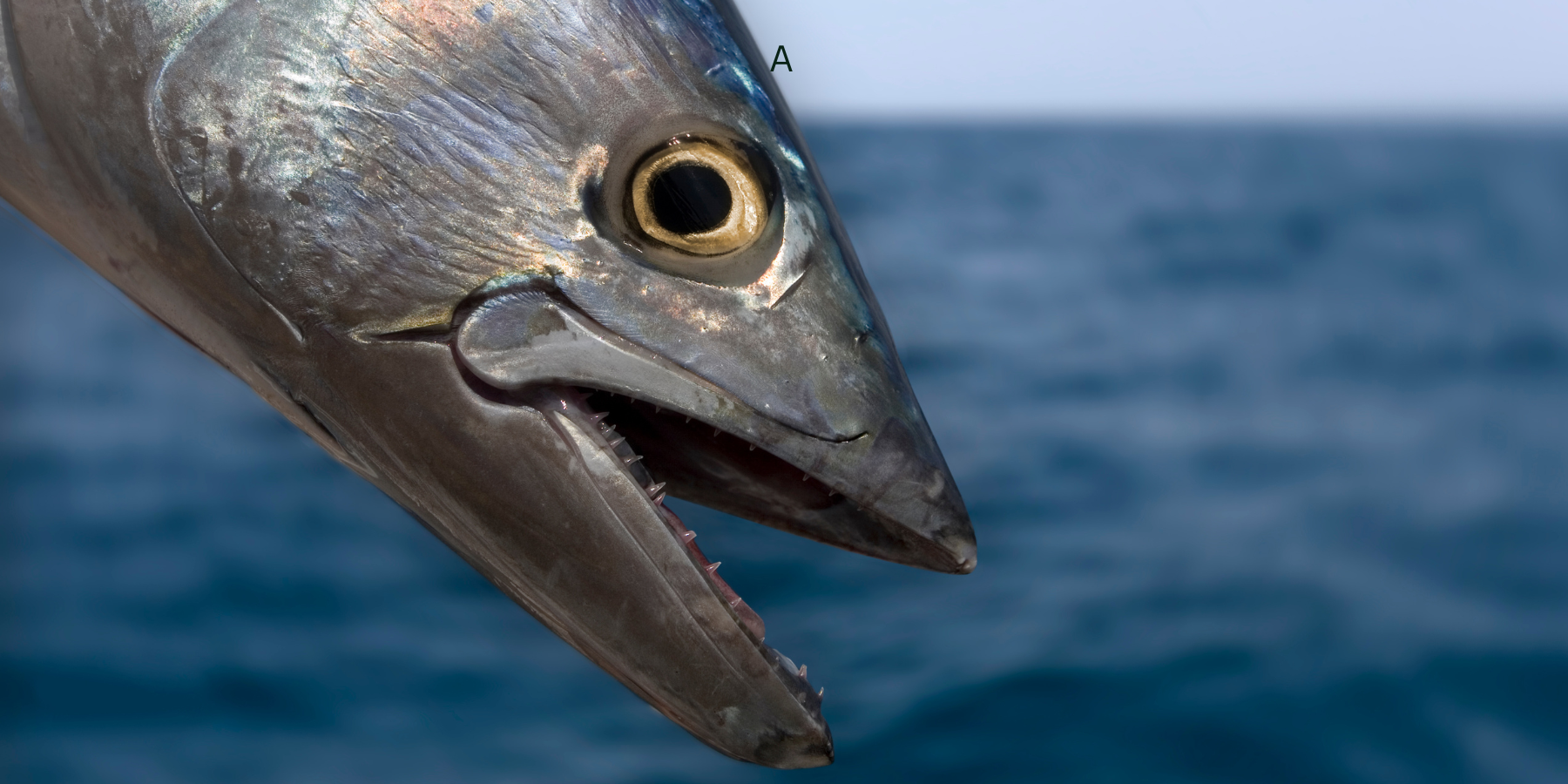
There are days along the North Carolina coast when the ocean looks calm, almost too calm, like it’s hiding something. Then, out of nowhere, it happens. Birds begin to circle, then dive. The water starts to flicker, then boil. And just like that, the surface erupts with speed and chaos.
That’s bonito.
If you’ve ever been within casting distance of a feeding school, you already know, this isn’t casual fishing. This is a full-on, heart-pounding event where timing, awareness, and quick hands make all the difference. One minute you’re scanning the horizon, the next you’re hooked up and your drag is screaming.
Along our stretch of coastline, especially around places like Masonboro Inlet and Beaufort Inlet, bonito show up chasing bait, and when they do, everything else takes a back seat. These fish aren’t easing along structure or picking at scraps. They’re hunting, pushing glass minnows and small baitfish to the surface, and when they strike, they do it with authority.
You don’t find bonito by accident very often. You find them by watching. Birds are your best friend out there. Not just any birds, but the ones that are working, diving with purpose, staying tight to the water. That’s your sign. That’s your invitation to get ready.
And when you get there, you better be ready.
Bonito don’t wait. They don’t circle back politely. They come up fast, crash bait, and disappear just as quickly. You’ve got seconds sometimes. That means your rod is in hand, your lure is ready, and your eyes are locked on the action. Cast into the school, or better yet, just ahead of it. Then wind. And when I say wind, I mean move that lure like it’s trying to escape for its life.
Because that’s exactly what bonito are looking for.
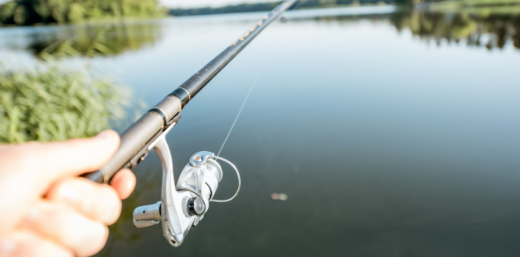
Light tackle is where the real fun begins. A medium spinning outfit, braid for distance, and a clean leader is all you need. No heavy gear, no overthinking. This is about speed and precision. When a bonito hits, it doesn’t tap or nibble. It crushes the lure and takes off like it’s got somewhere to be, fast.
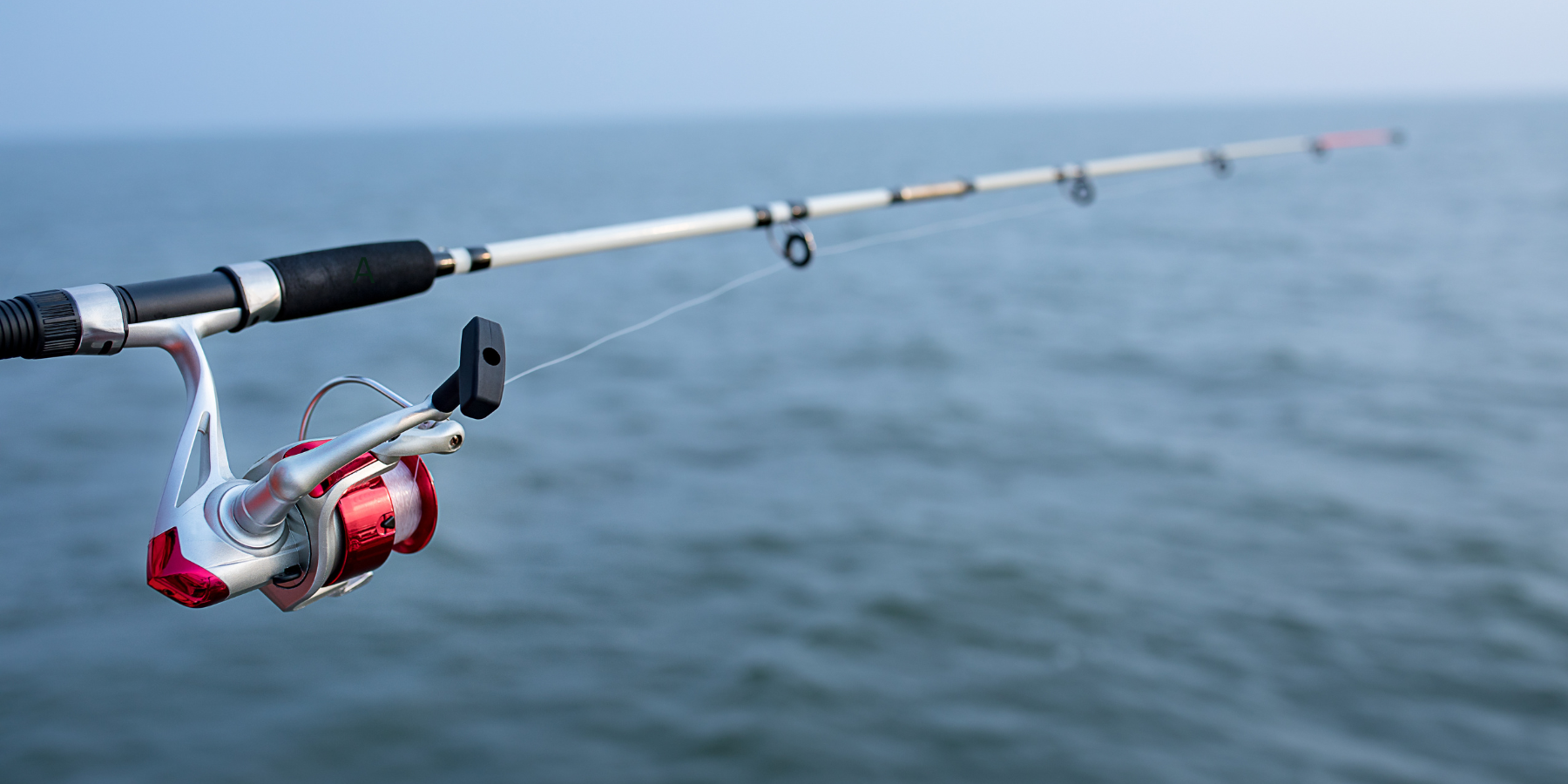
That first run will get your attention every time.
And it doesn’t stop there. Bonito are built for speed, long, powerful runs, quick direction changes, and just enough stubbornness to make you earn every inch of line you get back. On the right day, with the right school, it can turn into one of those rare sessions where every cast feels like it could be the one.
But here’s the thing that keeps anglers coming back…..It’s not just the catch. It’s the moment. It’s the anticipation as you scan the water. The sudden eruption of life. The cast, the hit, the run. It all happens so fast, yet somehow sticks with you long after the day is done. It’s the kind of fishing that pulls you in, sharpens your instincts, and reminds you why you started doing this in the first place.
Spring and fall are when we see them most along our coast, and when they show, you drop what you’re doing and go. Because bonito don’t send invitations. They don’t stick around long. You either catch them in the moment, or you hear about it later from someone who did.
And trust me, you don’t want to be the one hearing about it.
Because when bonito are feeding off the North Carolina coast, it’s not just fishing.
It’s a show to say the least
You may be interested
This Week’s Offshore Conditions Forecast
Tim Wilson - October 9, 2026Don't take a chance when it comes to knowing what the fishing condtions are and where thoe great sports are. ROFFS will remove the guesswork and put…
The Carolina Bluefish…… The Fish That Doesn’t Get Enough Respect
Tim Wilson - October 9, 2026There are plenty of fish in Carolina waters that get the attention they deserve. Redfish have become one of the most popular inshore targets, speckled trout have…
Fall Mahi…. One More Shot at Carolina Gold
Tim Wilson - October 9, 2026There is something different about running offshore in the fall. The summer heat has finally broken, the mornings have a little bite to them, and the ocean…
Most from this category