Carolina Boat Builders Who Changed Coastal Fishing
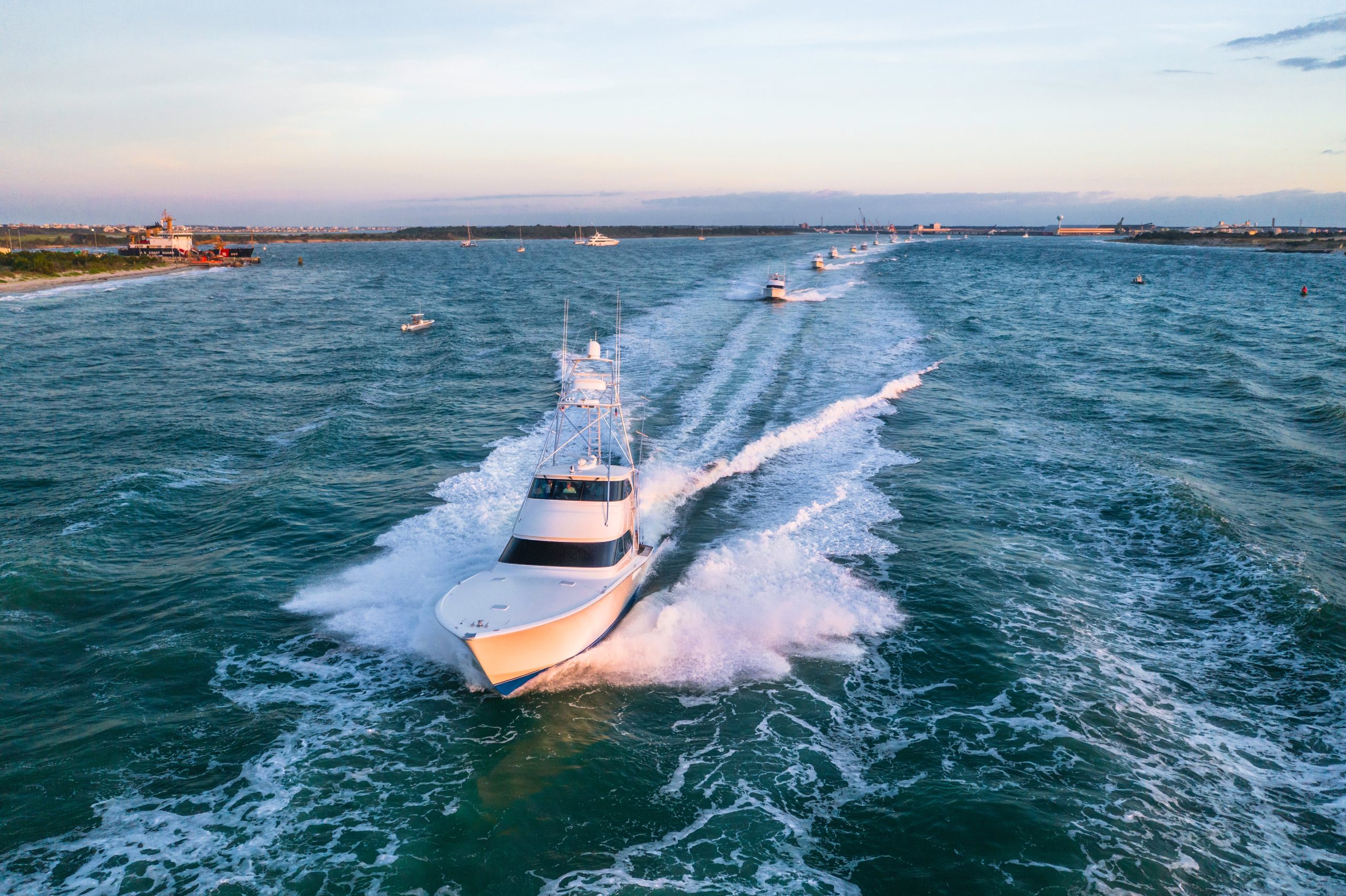
The coast of North Carolina is home to a unique multi-million-dollar industry born out of sheer necessity. During the mid-twentieth century, a small group of visionary mechanics, commercial fishermen, and self-taught carpenters revolutionized offshore angling. Operating out of humble, dirt-floor sheds in towns like Manteo, Wanchese, and Harkers Island, these men engineered custom sportfishing vessels that altered the global maritime landscape.
The primary catalyst for this industrial shift was the treacherous North Carolina coastline. To reach the lucrative, billfish-rich waters of the Gulf Stream, local captains had to navigate notorious breaks like the Oregon Inlet. Mass-produced northern boats of the era featured heavy, flat-bottomed hulls. These designs regularly pounded against the steep, close-interval waves of the Atlantic, drenching passengers, damaging tackle, and compromising structural integrity.
Pioneers like Warren O’Neal, Omie Tillett, and Buddy Davis stepped in to solve this problem. Lacking formal naval architecture degrees, they relied on generations of practical, firsthand observations of wave dynamics. They began hand-carving wooden hull frames using local Atlantic white cedar, commonly known as juniper. Their collective breakthrough introduced a radical design silhouette that would define the region: the iconic “Carolina Flare.”
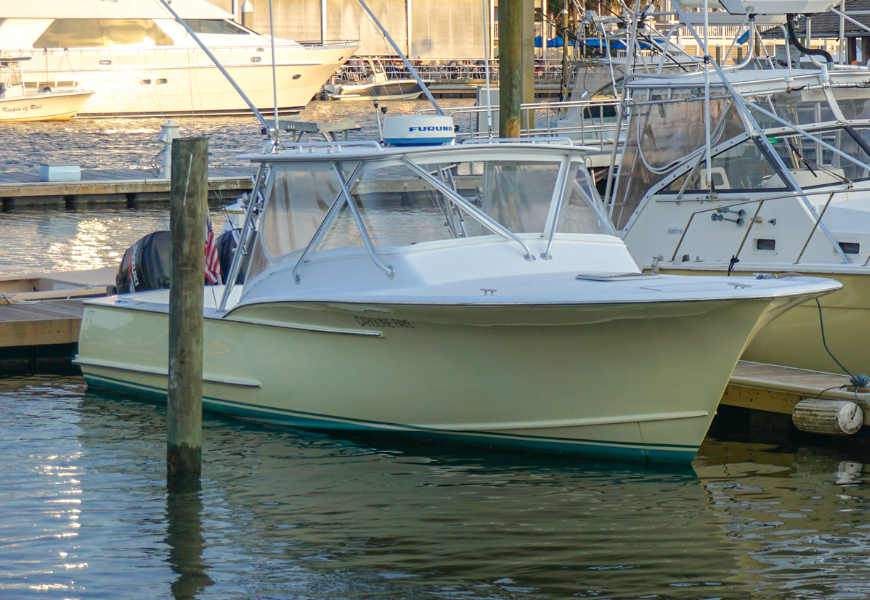
The engineering behind the Carolina Flare is both highly aesthetic and intensely functional. The builders designed an incredibly sharp, deep-V entry point at the bow’s keel to cleanly slice through aggressive waves. As the hull line extends upward toward the deck, it arcs dramatically outward. This exaggerated flare acts as a natural deflection shield, forcing crashing water downward and outward away from the vessel. For the first time, captains could run hard into punishing head seas while keeping the cockpit entirely dry.
As the industry evolved into the late twentieth century, builders transitioned from traditional plank-on-frame wood construction to high-tech cold-molding processes. This technique sandwiches lightweight juniper strips between layers of fiberglass resin, creating a hull that is significantly stronger, lighter, and faster than solid fiberglass production boats. Buddy Davis capitalized on this evolution, scaling the design into high-horsepower masterpieces that caught the attention of wealthy international anglers.
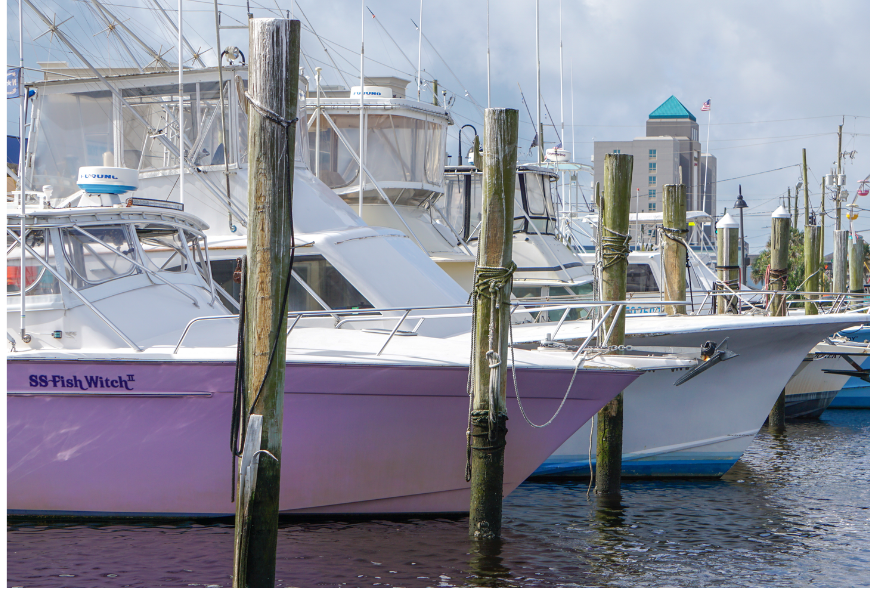
The impact of these Carolina boat builders completely altered the coastal fishing economy. Their innovations transformed offshore fishing from a grueling test of endurance into a highly efficient sport. Today, the custom sportfishing boat building industry remains a vital economic driver along the Outer Banks and crystal coast. Modern builders like Paul Spencer, Ricky Scarborough, and Jarrett Bay Boatworks continue to push boundaries with multi-million-dollar yachts. However, every sleek vessel that charges through a rough inlet still carries the exact genetic blueprint forged by those original North Carolina craftsmen.
You may be interested

Berr Side Kicks…..Homemade Beer Brat Bites
Tim Wilson - October 16, 2026
When the Deer Woods Change
Tim Wilson - October 16, 2026The deer woods you hunted in early October may look familiar when November arrives, but the reasons deer use them can change considerably. Across North Carolina, South…
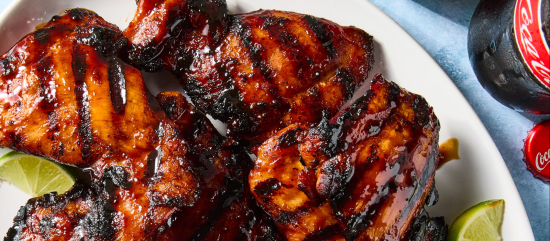
Greatest Of The Grill…..Grilled Coca-Cola Chicken
Tim Wilson - October 16, 2026Everything is better with a Coke… including chicken. Tangy, sweet, and savory, this grilled Coca-Cola chicken will hit every one of your taste buds. If you’re searching…
Most from this category